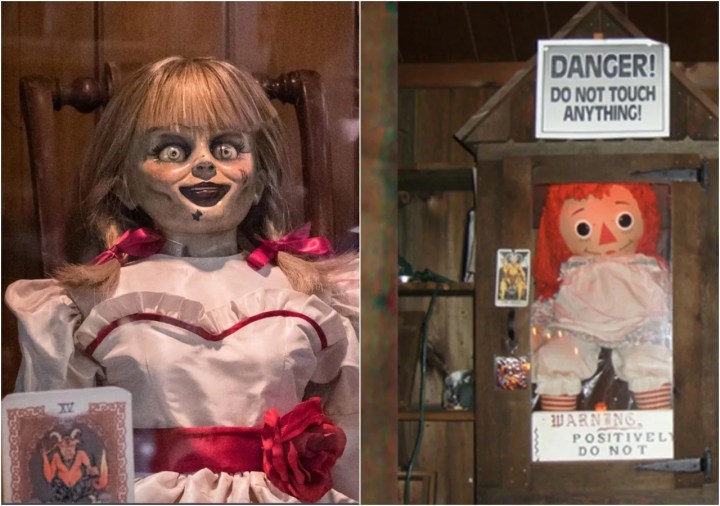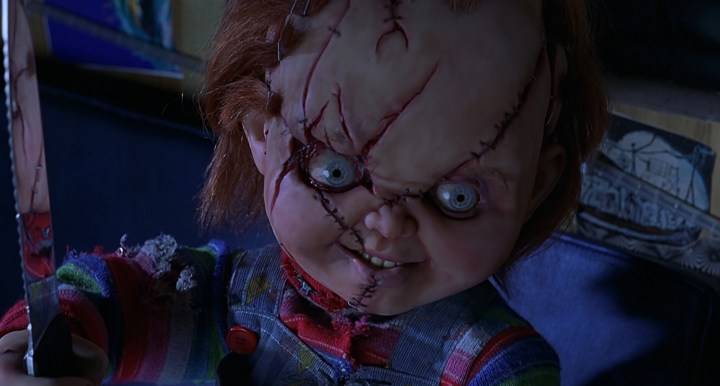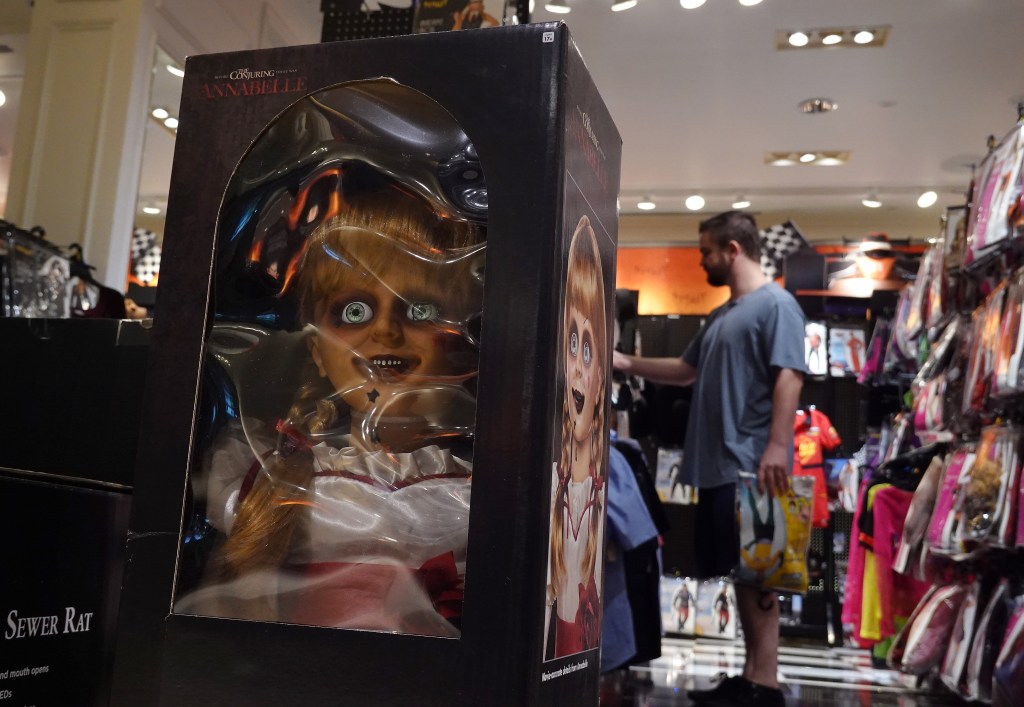
The doll behind 2014’s Annabelle is a mass-produced Raggedy Ann from the late 1960s or early 1970s. The movie’s custom porcelain version was created after test audiences found the original cloth design too harmless to be frightening.
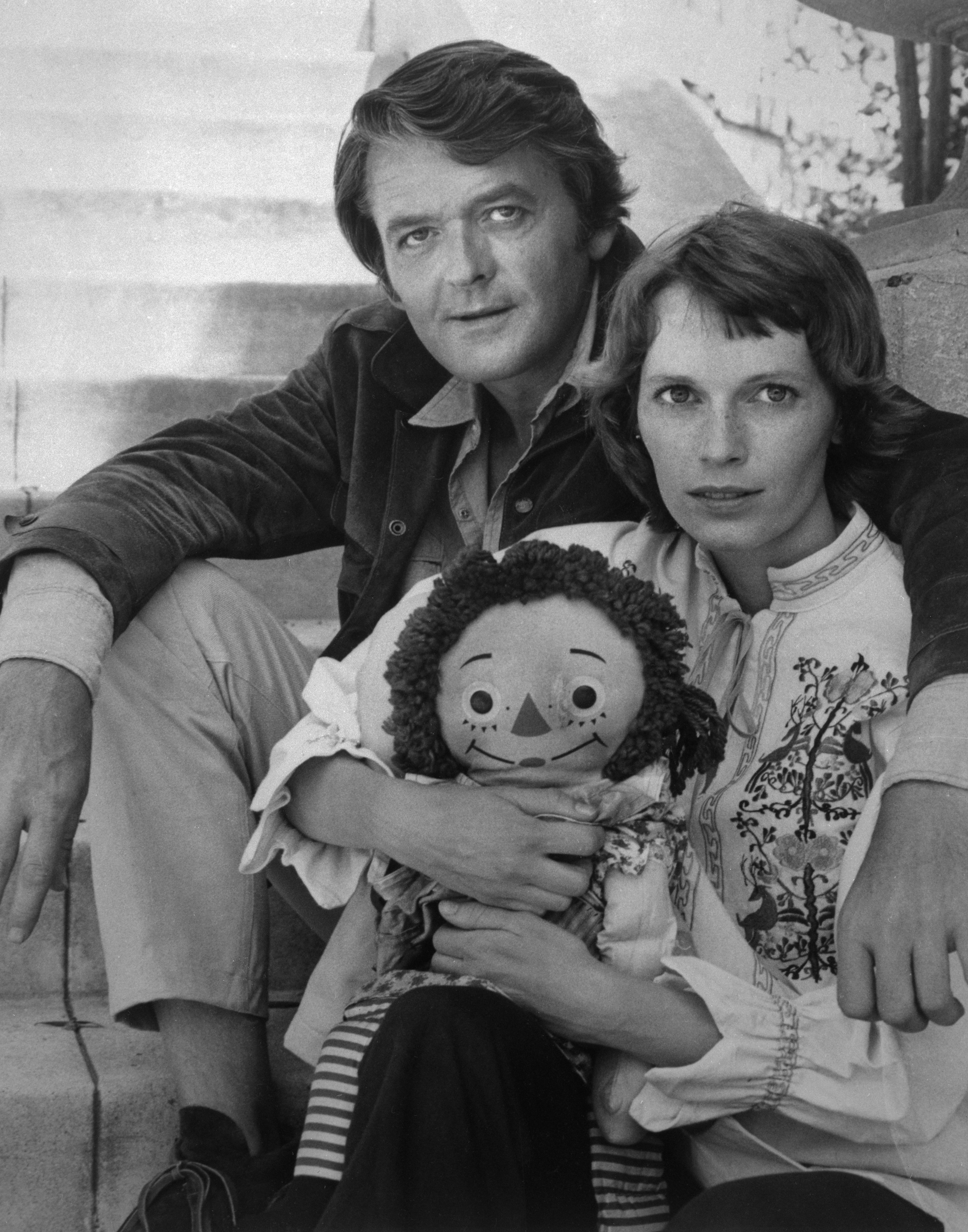
The story traces back to around 1970, when a mother reportedly gave the doll to her daughter, a nursing student identified only as “Donna.” She shared an apartment near Hartford, Connecticut, with another nursing student known as “Angie.”
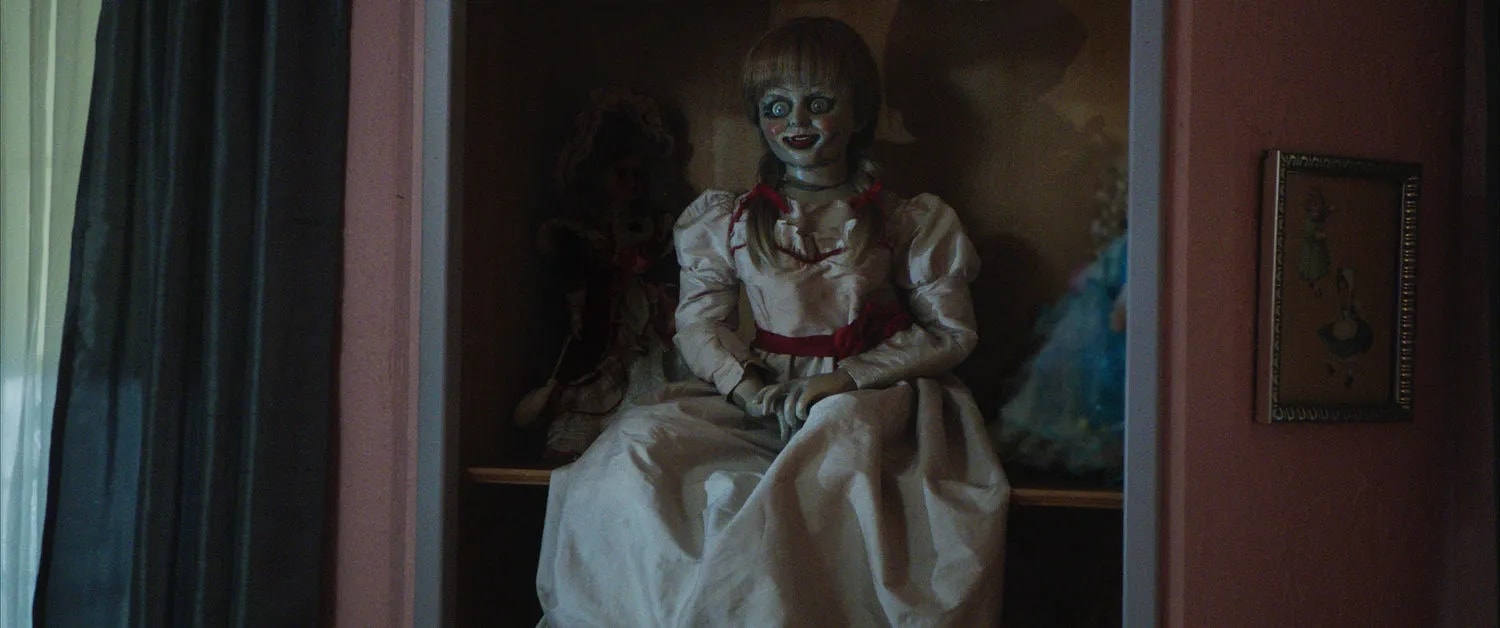
According to the account popularized by paranormal investigators Ed and Lorraine Warren, the women began finding the doll in different positions after leaving it alone. Notes also appeared on paper they said they didn’t own, with messages including “Help Us” and “Help Lou.”

The women consulted a medium who claimed the doll contained the spirit of Annabelle Higgins, a 7-year-old girl who had died on the property. They reportedly gave the spirit permission to remain. A friend called “Lou” later said he had a nightmare about the doll attacking him and woke with unexplained claw-like scratches.
Clergy brought in the Warrens, who claimed a demonic entity was impersonating a child’s spirit to gain access to a human host. They removed the doll and kept it in a warning-marked case at their Occult Museum in Monroe, Connecticut, for decades.
The film moves the story to 1967 California and adds a married couple, a Satanic cult attack, murders and possession. Later installments created a dollmaker origin story. Those characters and events don’t appear in the Warrens’ version of the case.
Every supernatural element comes from Warren-associated accounts, including Gerald Brittle’s 1980 book The Demonologist and the Warrens’ public retellings. There are no independent police reports, medical records or contemporaneous news accounts confirming the moving doll, mysterious notes, séance, scratches or demonic explanation. Donna, Angie and Lou have never been publicly verified beyond their first names.
The Raggedy Ann doll itself still exists. After the Warrens’ museum closed to the public around 2019, it became part of a traveling collection and is currently displayed at the temporary Haunted Warren Museum exhibit that opened in Salem, Massachusetts, in 2026.