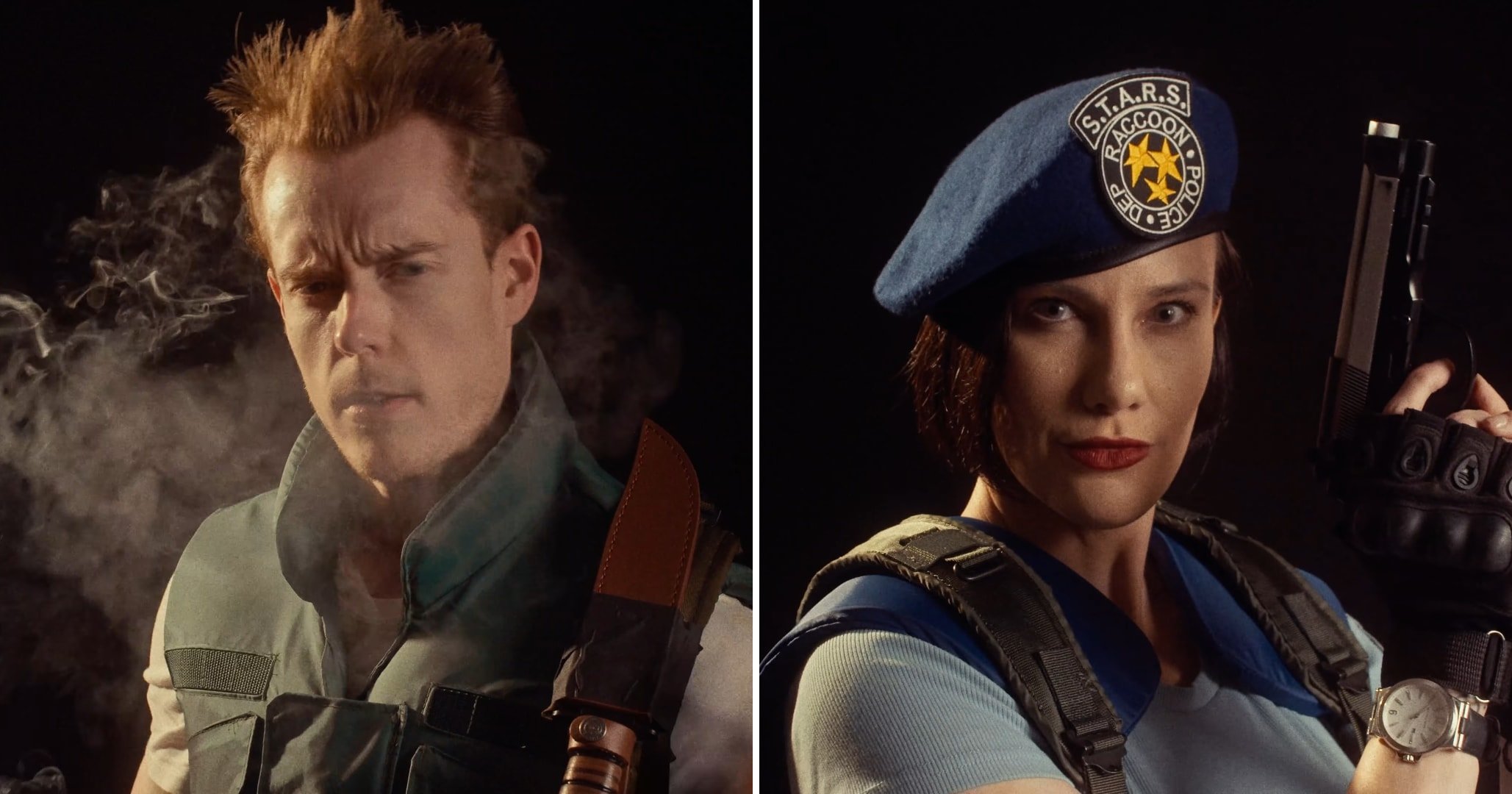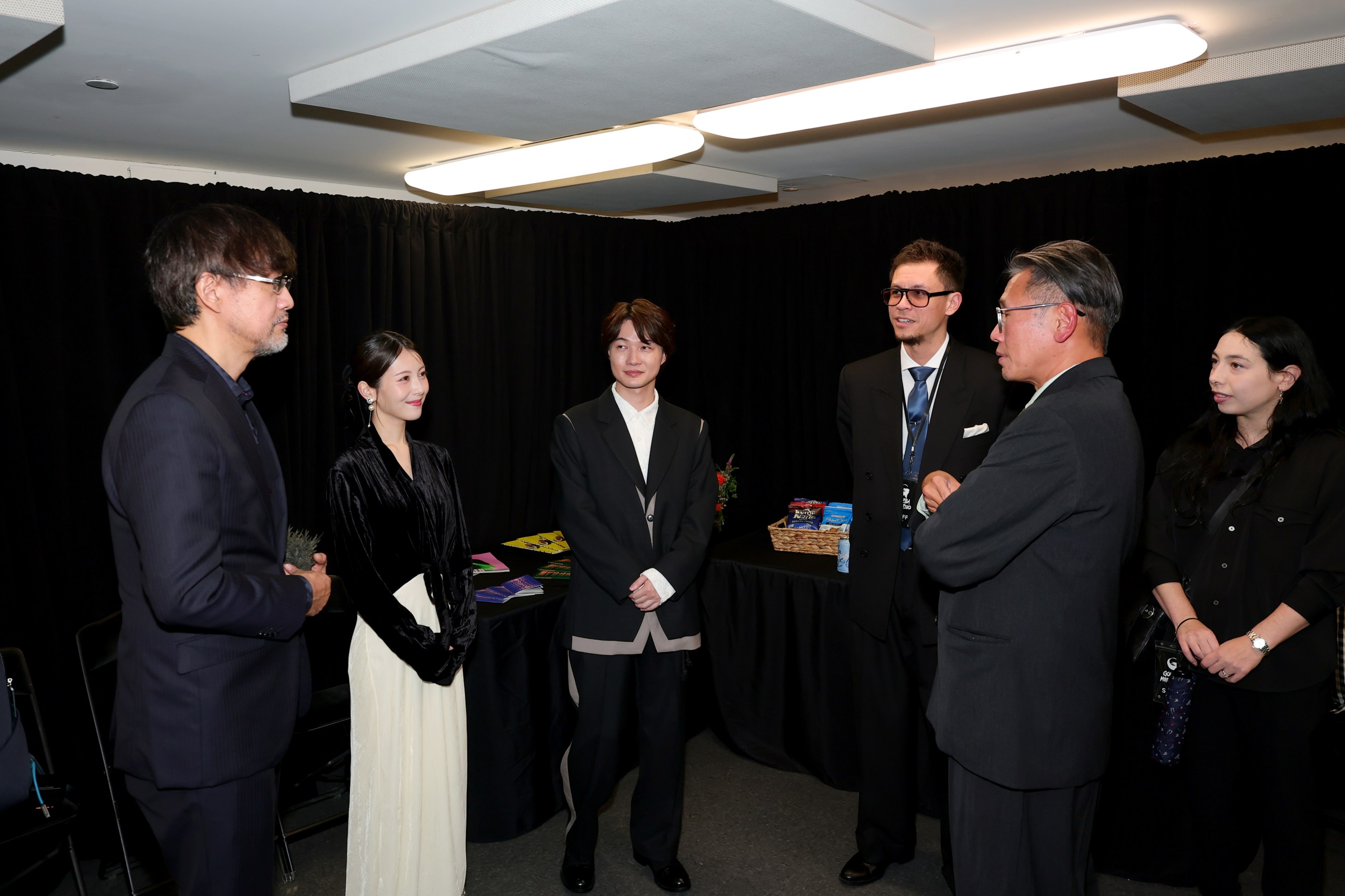
In Godzilla Minus Zero, the attack on New York unfolds inside a revenge fantasy belonging to Professor Kanji Murakami, a Hiroshima survivor whose family was killed. Before Godzilla’s atomic breath reaches the city, the film spends time with the people who’ll be caught in its path.
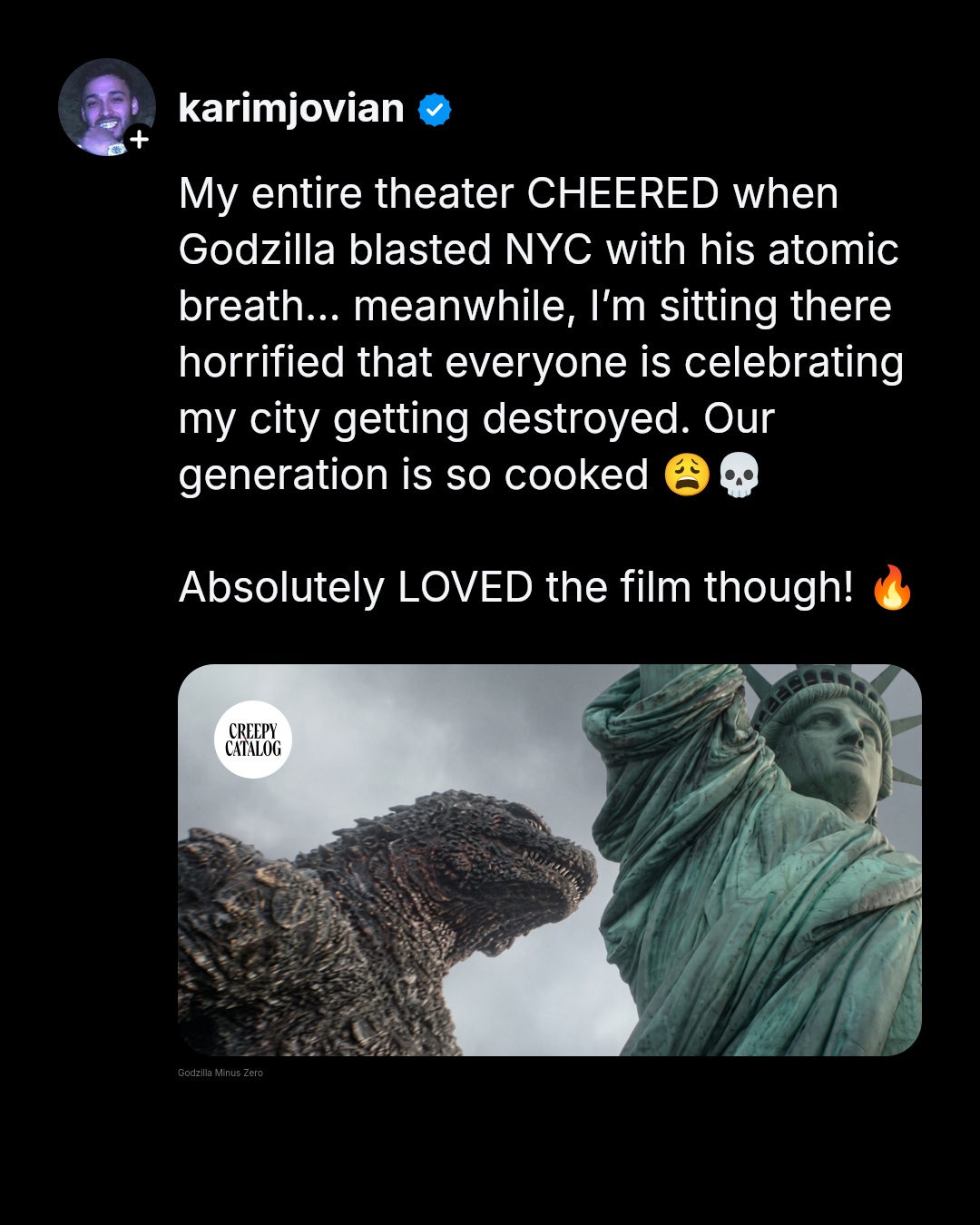
The violence of Murakami’s vision, in which city residents melt or are vaporized, is one of the main reasons for the film’s R rating. Reviewers have compared it to the audience-melting scene in Oppenheimer. Godzilla appears near the Statue of Liberty during the imagined attack.
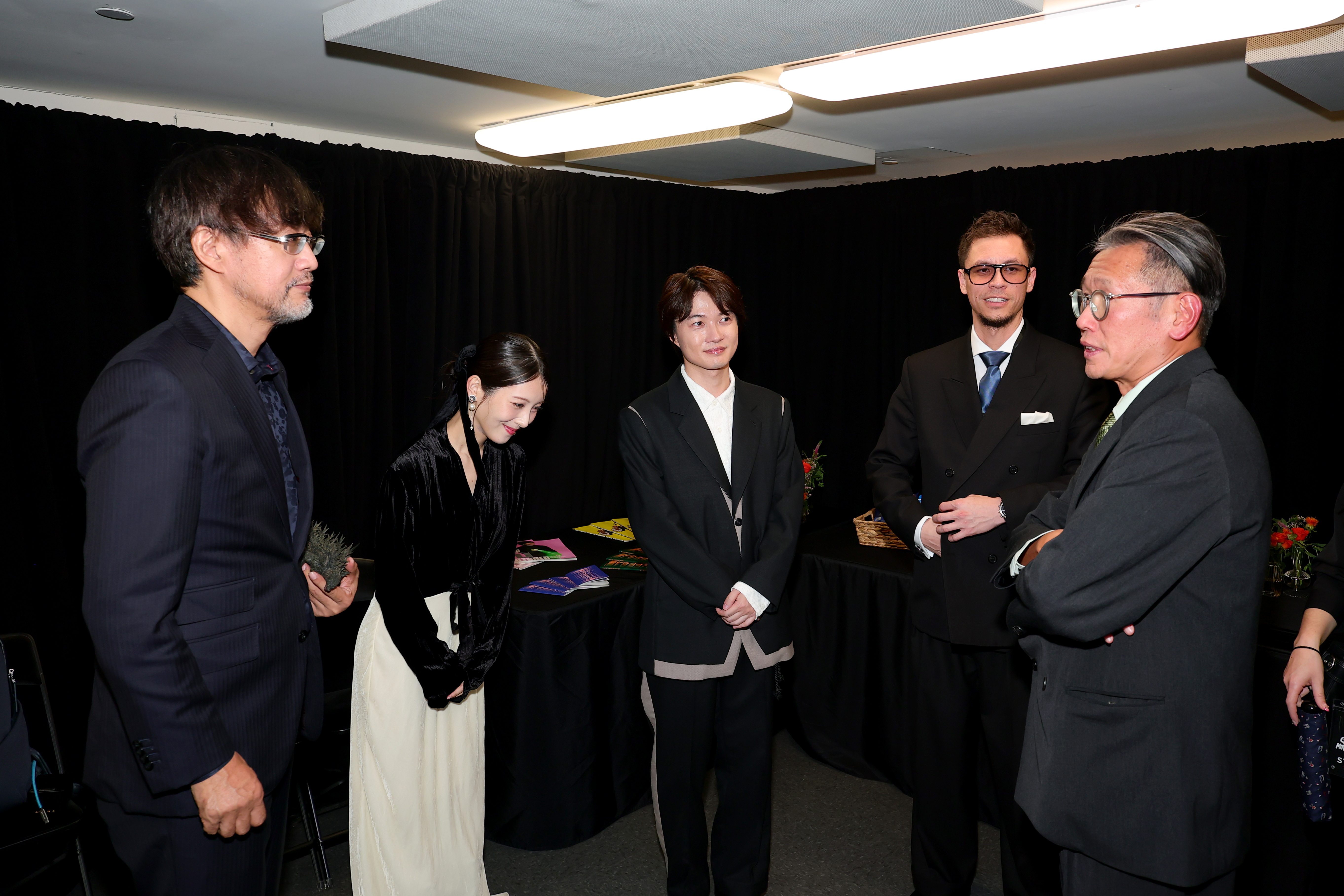
Played by Min Tanaka, the biologist imagines using Godzilla to strike the United States. Director and writer Takashi Yamazaki puts the audience alongside the ordinary New Yorkers facing that attack. He said he wanted to show what happens “on the receiving end of Godzilla’s breath.”
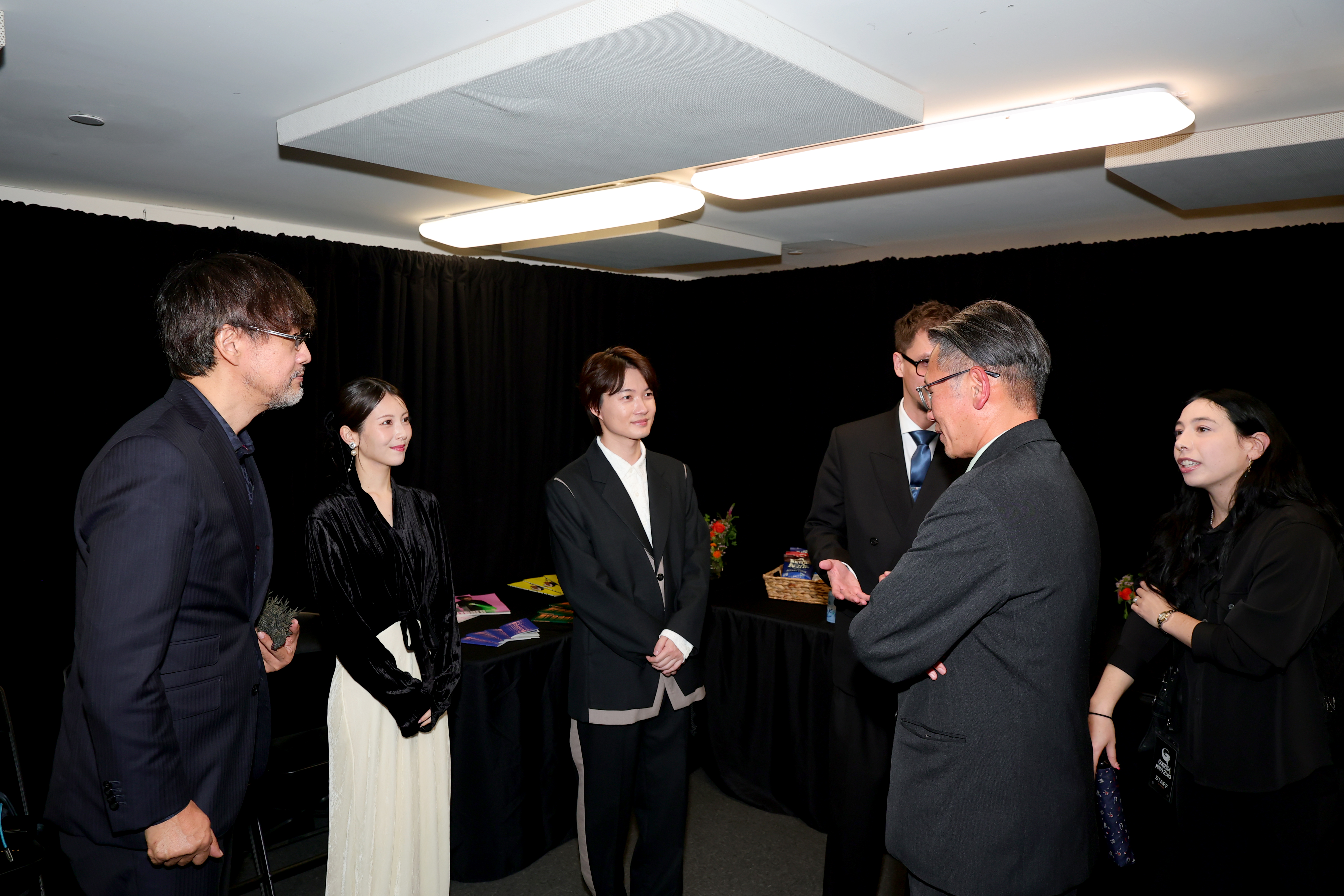
That perspective gives Murakami’s imagined revenge its human cost: people with lives of their own become the targets of his grief. The sequence holds his family’s loss and the suffering he’d inflict on others within the same story.
The sequel to Godzilla Minus One returns to postwar Japan, where Murakami has a creature-luring device called the Resonance Wave. That device also figures into a plan to bring Godzilla into a confrontation with King Ghidorah.
Many viewers expected a full New York attack after seeing footage of the city in the trailers. The destruction of New York remains imagined. Kenji Noda, the returning disaster-response planner played by Hidetaka Yoshioka, talks Murakami out of carrying out his revenge plan.