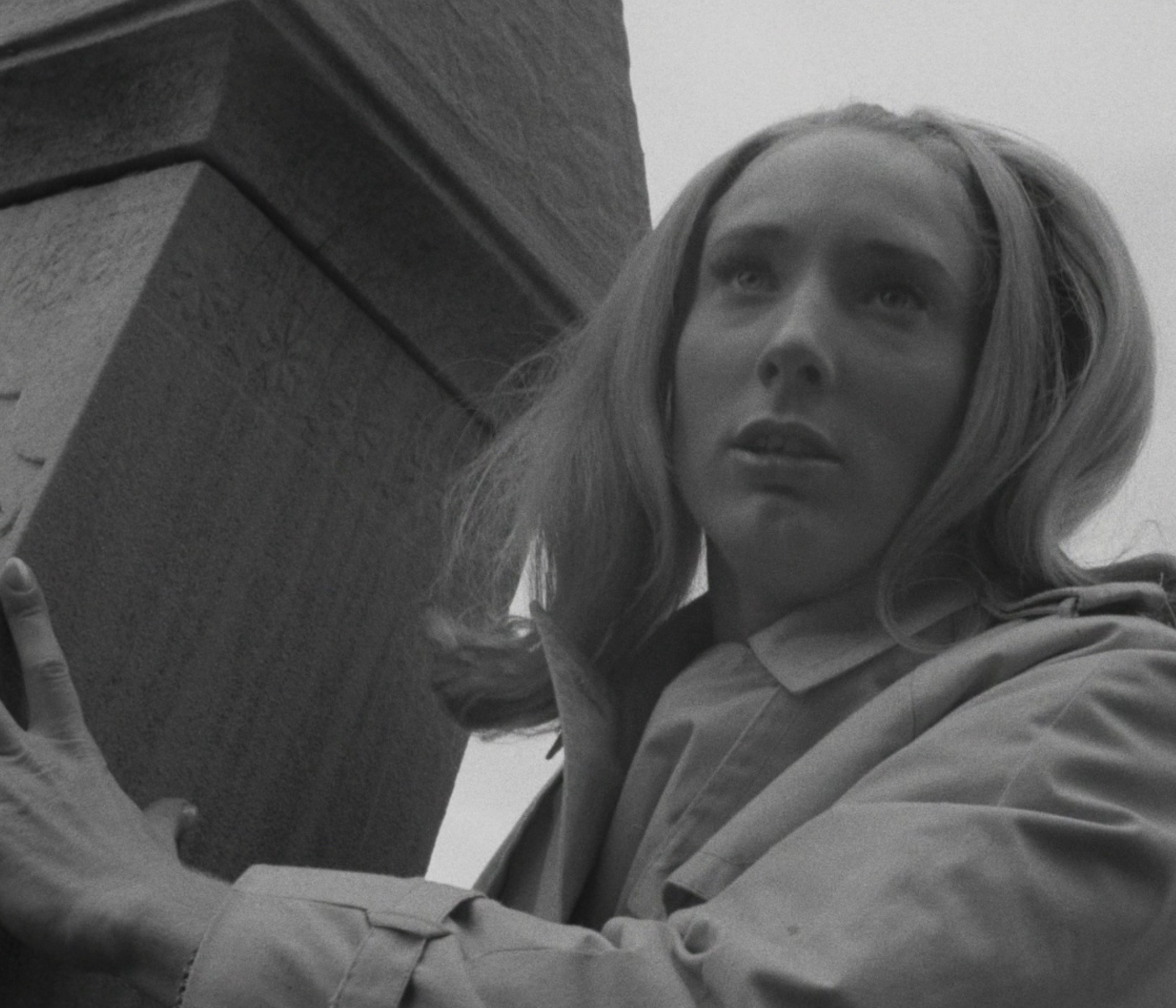
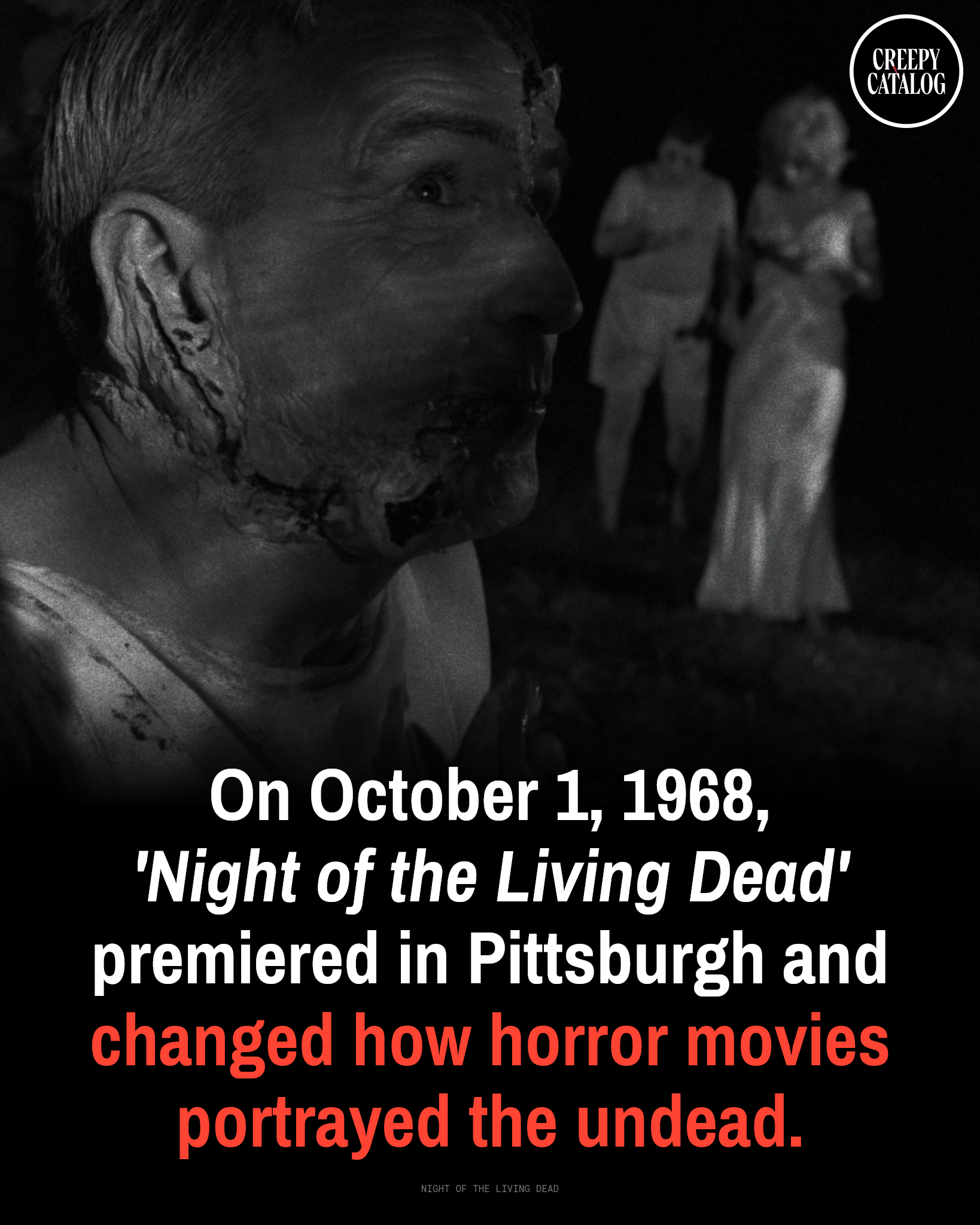
George A. Romero’s Night of the Living Dead turns 58 today. Its October 1, 1968 premiere at Pittsburgh’s Fulton Theater introduced audiences to flesh-eating corpses and a farmhouse siege that would help shape decades of zombie horror.
The hometown debut came with a reception at the William Penn Hotel, according to a surviving invitation published by Dread Central. Producer and actor Russell Streiner told ComicBook.com in 2018 that there’d been no test screenings. The premiere was the filmmakers’ first chance to watch it with an audience.
Streiner remembered his grandmother calling out when the cemetery ghoul knocked his character’s glasses off: “Russell, he broke your glasses!” Lori Cardille, the daughter of Pittsburgh TV host and cast member Bill “Chilly Billy” Cardille, recalled a different experience. She told the Tribune-Review in 2018: “I was 14 years old, and I was so afraid of horror movies that I stood in the back of the lobby the whole time… I was terrified.”
Another account of frightened children came from a later Chicago screening. In his January 5, 1969 Chicago Sun-Times column, Roger Ebert described a Saturday neighborhood matinee where children fell quiet and a young girl cried. That screening and the Tuesday-night Pittsburgh premiere were separate events.
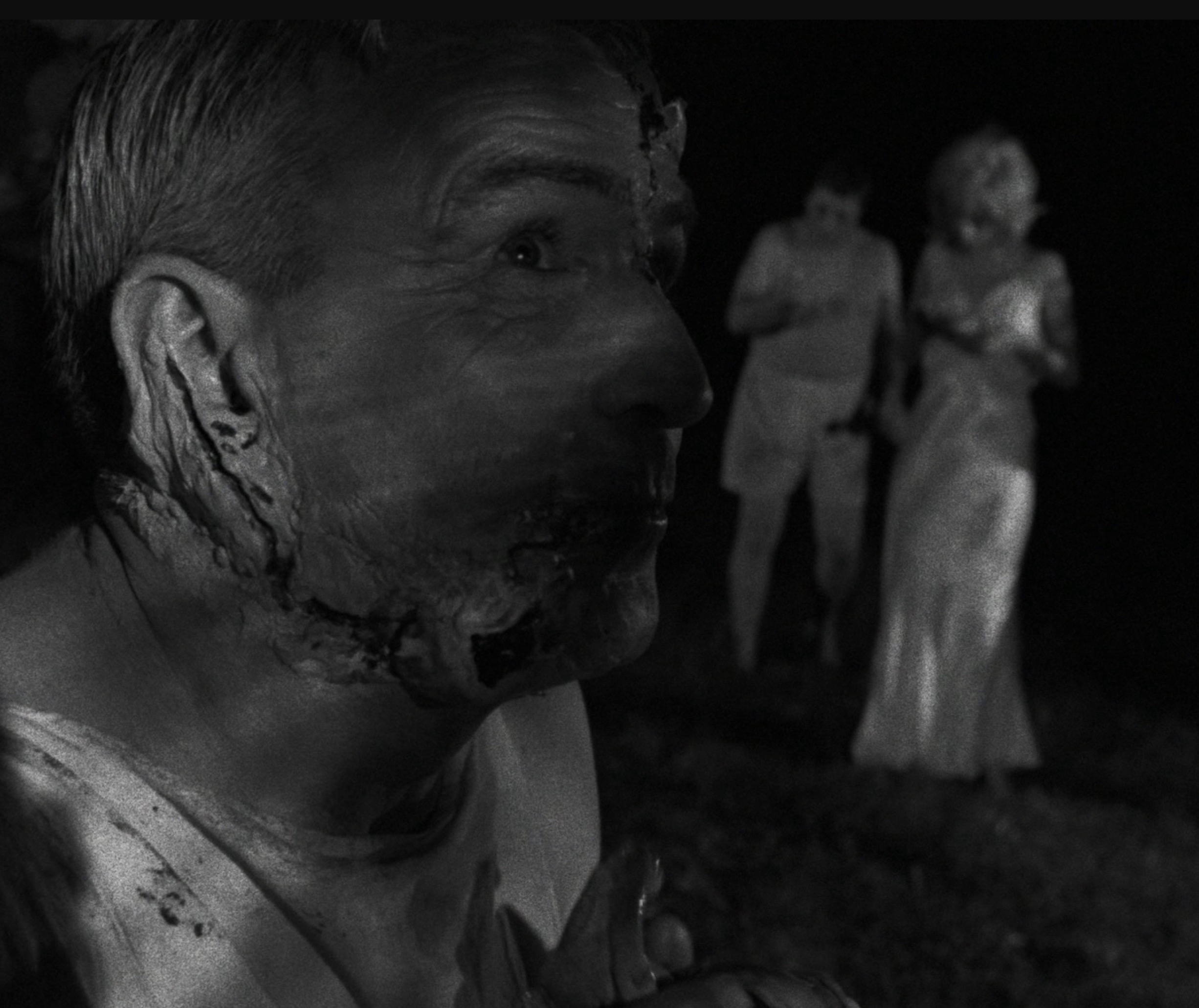
The film’s lasting influence starts with what its monsters wanted. Earlier films such as White Zombie (1932) depicted the undead under a sorcerer’s control.
In its 2018 assessment, the BFI identified Romero’s flesh-eating dead as the crucial innovation: familiar-looking people becoming predators, with society consuming itself as the underlying metaphor. CNN’s 2018 retrospective also noted that the film never calls its creatures “zombies.”
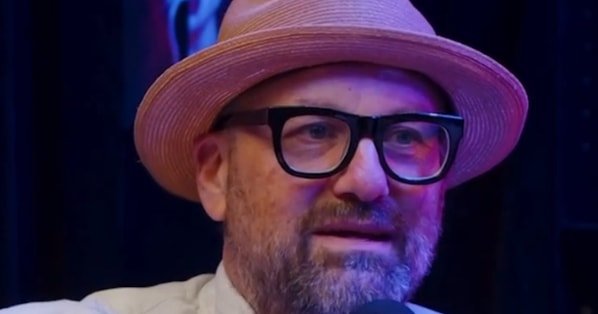
Those creatures supplied a model for later stories about hordes of undead and the collapse of everyday life. The connection reaches directly into The Walking Dead: co-creator Tony Moore told The Saturday Evening Post in 2018, “Romero built our stage, we just managed to use those tools to tell a story that resonated with modern audiences.”
The people inside the farmhouse mattered, too. Duane Jones played Ben, the Black protagonist who survives the night before a white posse shoots him and burns his body with the dead. In its 2008 oral history, Vanity Fair reported Romero’s explanation for casting Jones: “we thought he was the best actor.”
The script hadn’t been rewritten around his race. Critics nevertheless read the ending through racial violence in America, a connection explored by J. Hoberman in The New York Review of Books in 2018.
Its influence also reached filmmakers working with limited resources. Peter Bradshaw’s 2017 Guardian assessment credited Romero with establishing a model for low-budget American independent filmmaking. Vanity Fair’s oral history described the impact of seeing the film on Tobe Hooper and John Carpenter, who’d go on to make The Texas Chain Saw Massacre and Halloween.
An error helped the original circulate for decades. According to the Internet Archive’s 2020 account, the title was changed from Night of the Flesh Eaters, and the replacement title card omitted the copyright notice required at the time.
The original film entered the public domain, allowing others to copy, distribute and adapt it. IGN’s 2018 account traced the resulting spread through midnight screenings, television, home video and online viewing.
In 1999, the Library of Congress selected Night of the Living Dead for preservation in the National Film Registry.