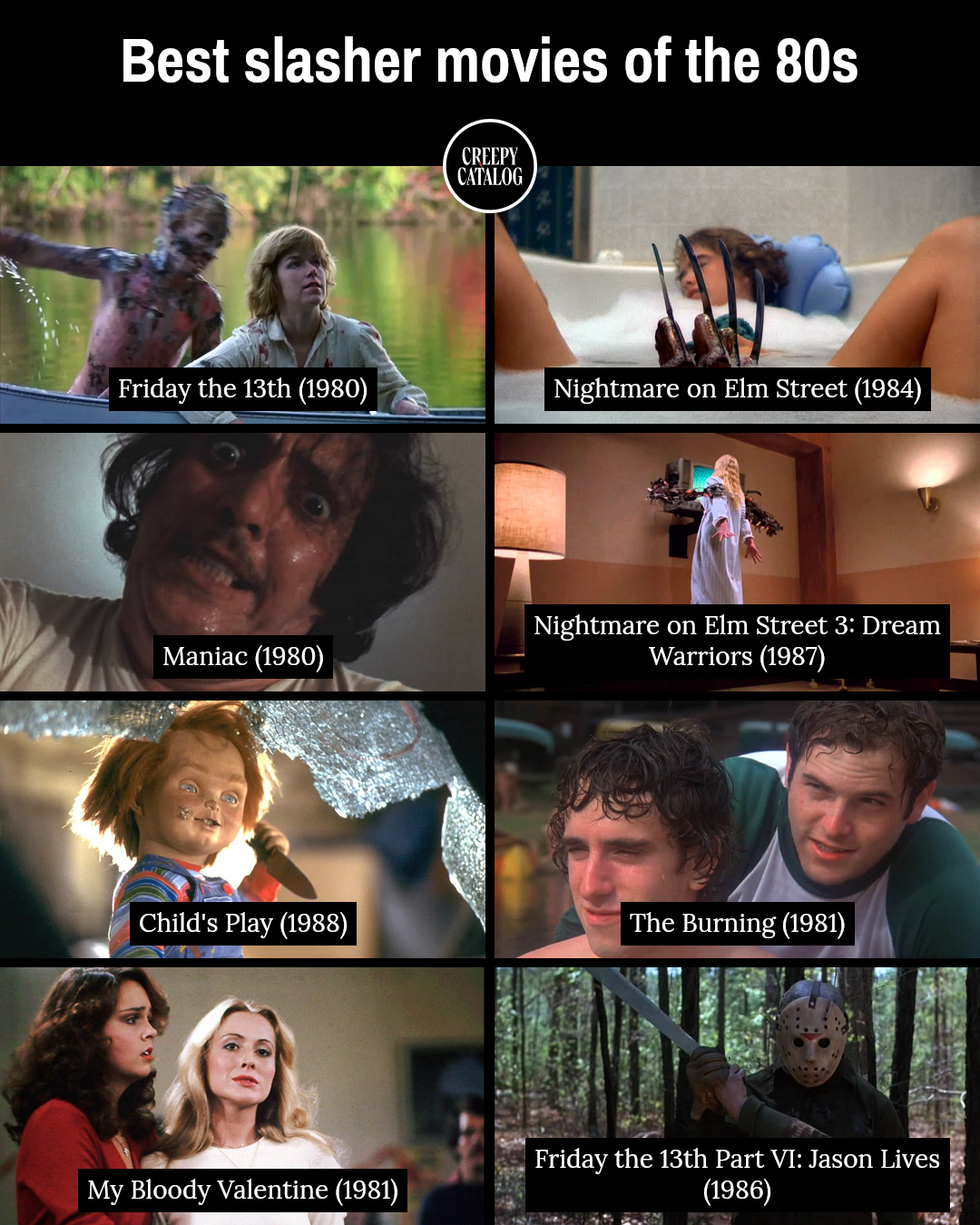
The 1980s were the golden age of the slasher. After Halloween proved that a simple premise, a masked killer, and a body count could print money, studios and independents flooded theaters with inventive (and often very bloody) variations on the formula.
These eight films represent the best of that era. Some launched enduring franchises, others delivered pure, nasty thrills, and a few pushed the subgenre into smarter or more outrageous territory.
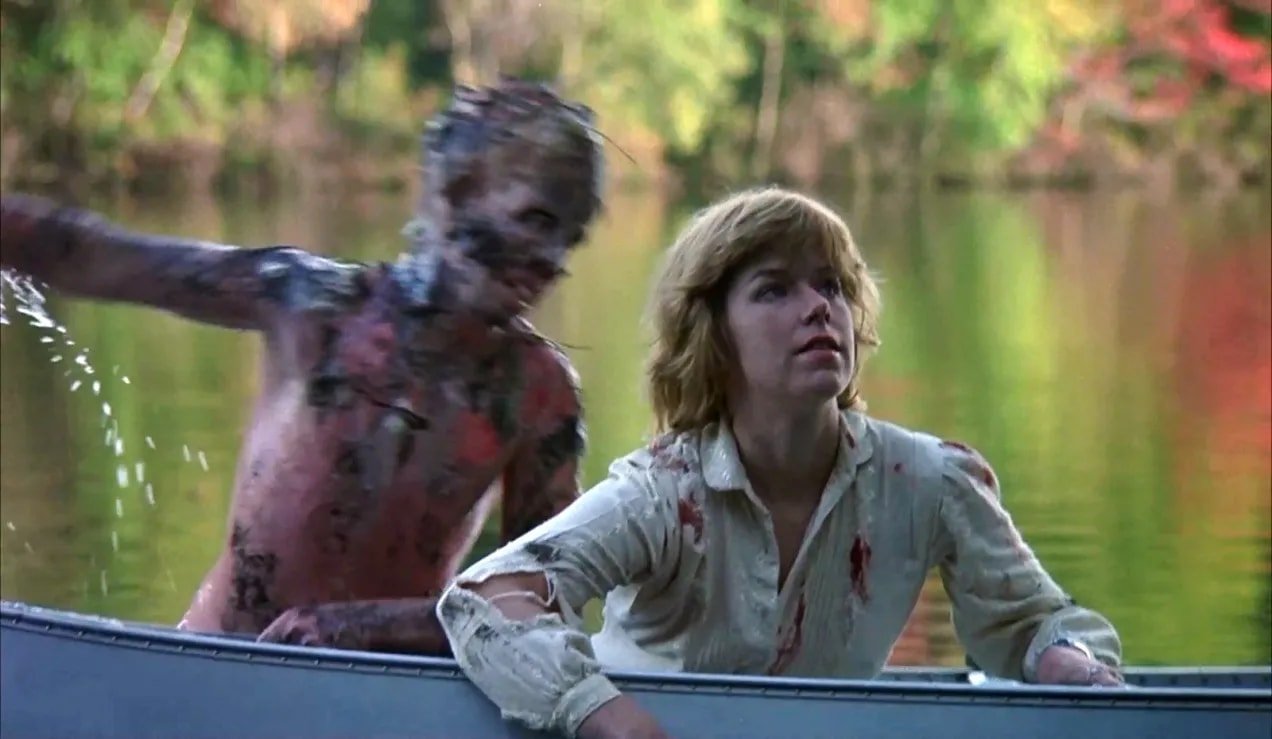
Friday the 13th (1980): A group of young counselors arrives at Camp Crystal Lake to reopen the summer camp, only to be picked off one by one by a mysterious killer. The film’s legendary final twist reveals that the murderer is Pamela Voorhees, a grieving mother avenging the drowning of her young son Jason years earlier.
What makes it a classic is its raw, mean-spirited energy, Tom Savini’s groundbreaking practical gore, and the way it turned a simple “who’s killing the counselors?” mystery into the foundation of one of horror’s biggest franchises. Even after decades of sequels, the original still feels grimy and unpredictable.
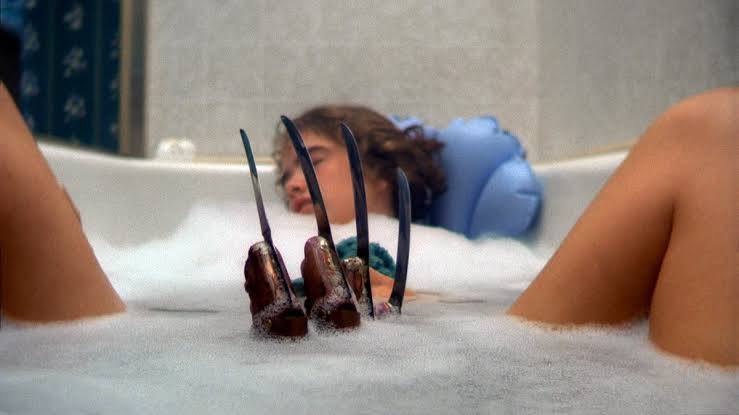
A Nightmare on Elm Street (1984): Teenagers in a suburban town begin dying in their dreams at the hands of a scarred, clawed figure named Freddy Krueger. As the survivors realize that if they die in the dream, they die for real, they scramble to stay awake and uncover the dark history that brought Freddy back.
Wes Craven’s film stands out for its surreal dream logic, inventive kill sequences, and the creation of Freddy, a villain who is both terrifying and darkly charismatic. It elevated the slasher by making the threat internal and inescapable, blending psychological horror with pure nightmare imagery.
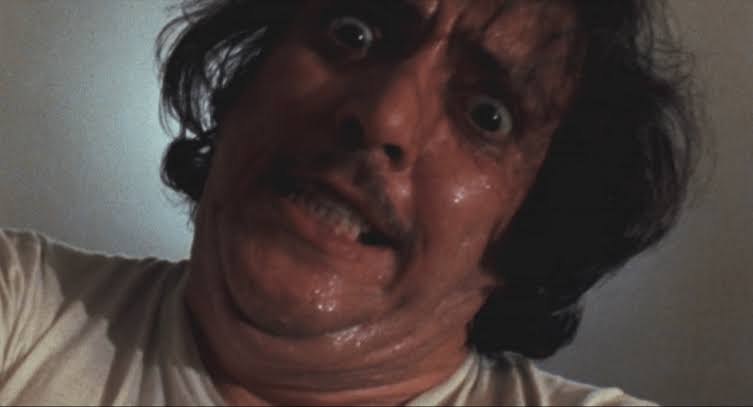
Maniac (1980): Frank Zito is a deeply disturbed loner in New York City who scalps his female victims and uses the hair to adorn mannequins in his apartment, all while talking to his dead mother. The film follows his escalating killings in grimy, unflinching detail as he fixates on a photographer who shows him unexpected kindness.
Maniac is one of the most unsettling slashers of the decade because of Joe Spinell’s raw, sweaty performance and the film’s relentless, almost documentary-like atmosphere. It relies on a pathetic, terrifying human monster rather than a masked killer or jump scares.
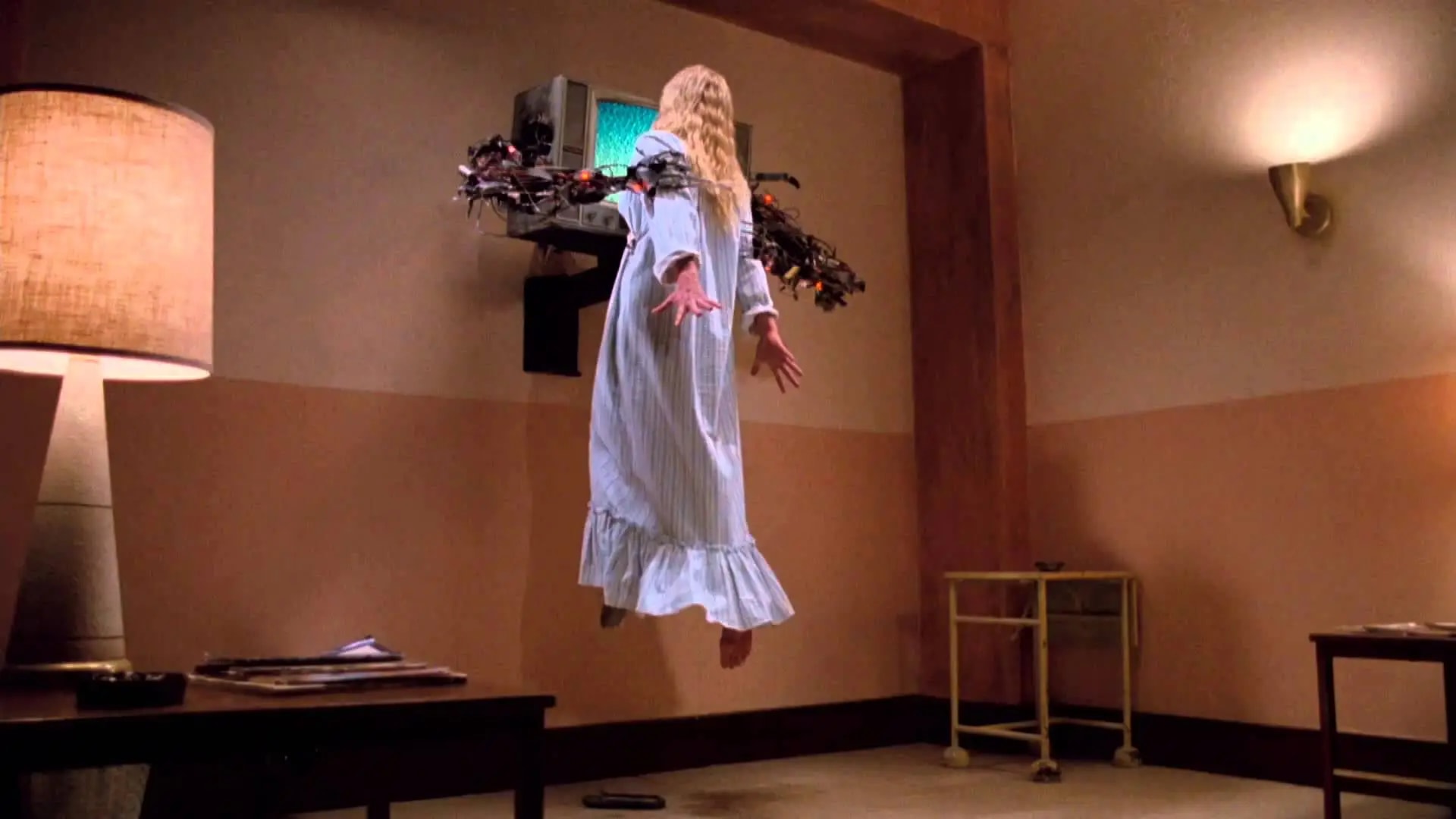
A Nightmare on Elm Street 3: Dream Warriors (1987): The last of the Elm Street children are locked in a psychiatric hospital where Freddy is once again preying on their dreams. With help from Nancy Thompson, the survivors learn to control their dreams and fight back as a group of “dream warriors.”
This sequel is widely regarded as the best in the series because it balances Freddy’s growing personality with genuine stakes and creativity. The dream sequences are imaginative, the kills are memorable, and the ensemble cast gives the film an emotional core that most slashers lack.
Child’s Play (1988): A single mother buys her young son Andy the hottest new toy for his birthday, a Good Guy doll named Chucky, unaware that a dying serial killer has transferred his soul into it. As people around Andy start dying, no one believes him that the doll is alive.
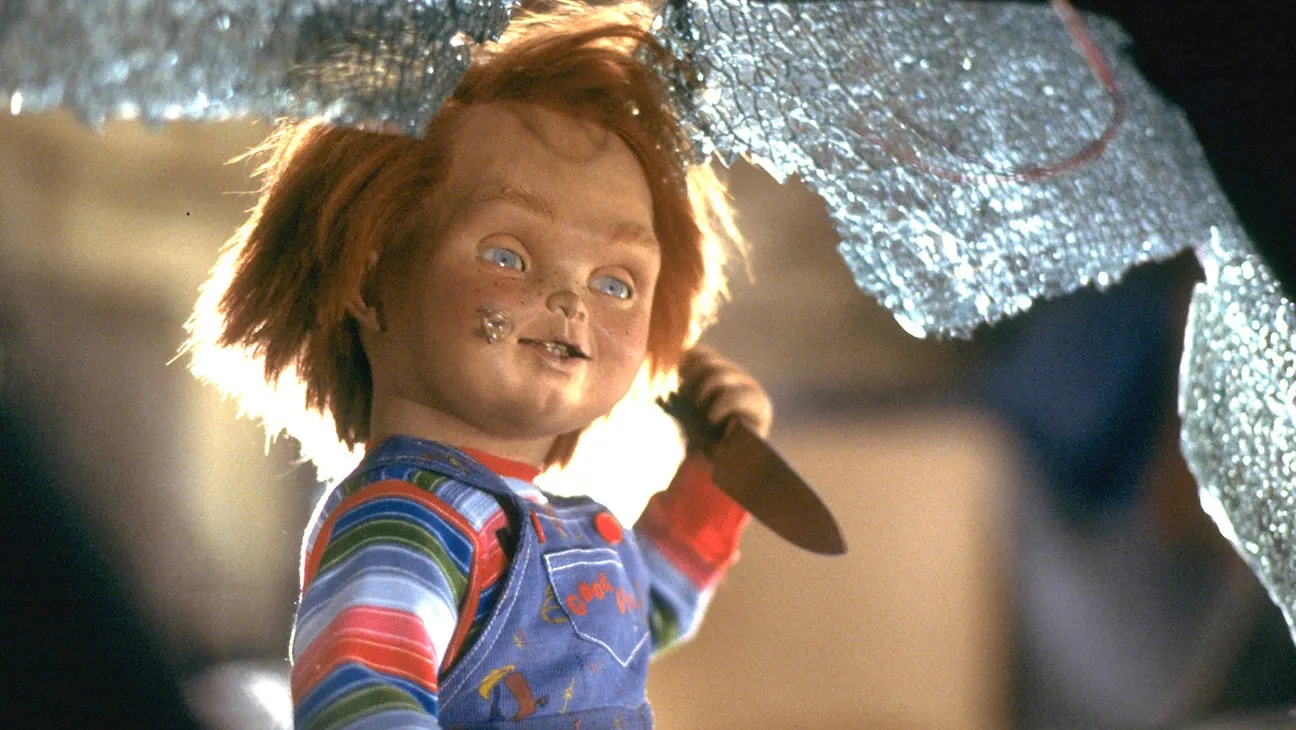
Child’s Play succeeds by taking a ridiculous premise and playing it completely straight, thanks to Brad Dourif’s iconic voice performance and some genuinely effective tension. It launched a long-running franchise while remaining creepy on its own, proving that a slasher killer doesn’t have to be human-sized to be terrifying.
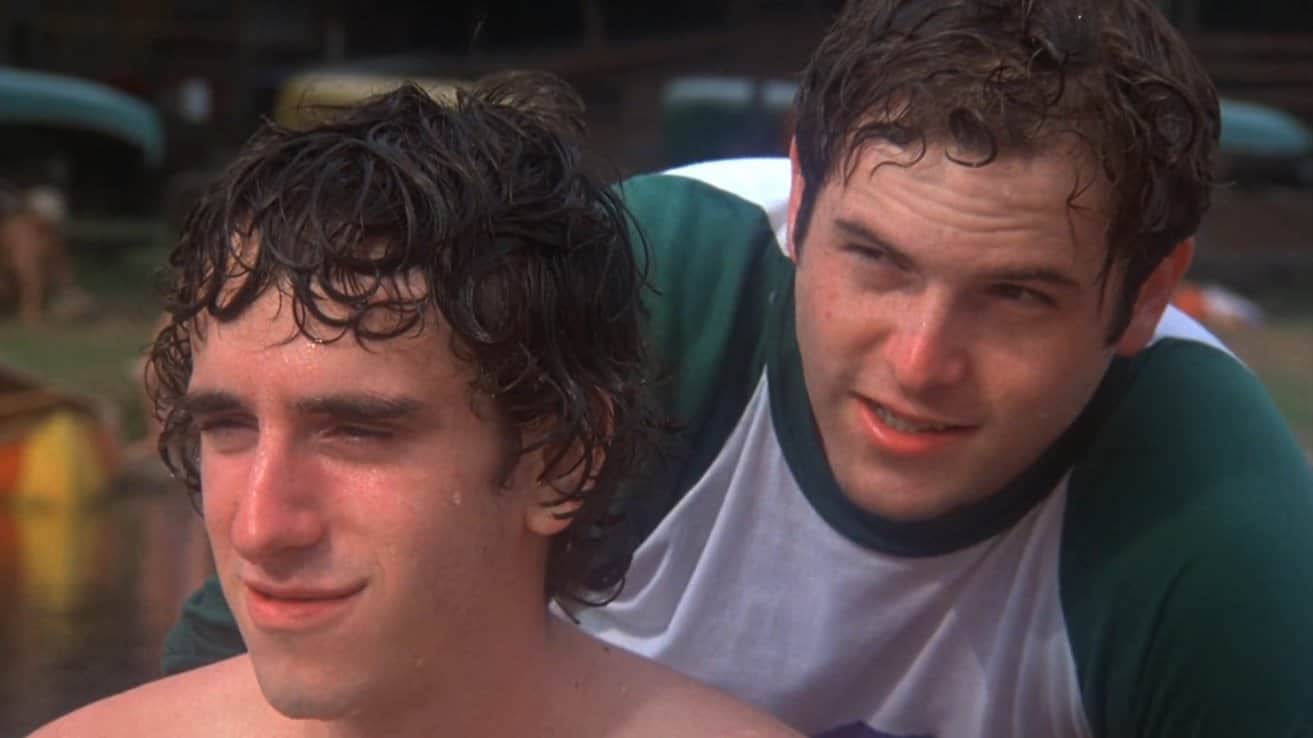
The Burning (1981): Years after a cruel prank leaves summer camp caretaker Cropsy horribly burned, he returns with garden shears to take revenge on the new group of campers. The film builds slowly before unleashing a series of brutal kills, including a notorious raft massacre.
The Burning stands out among early-’80s slashers for its mean-spirited tone, strong practical effects by Tom Savini, and a cast that includes a very young Jason Alexander and Holly Hunter. It’s grimier and less formulaic than many of its peers, with a vengeful killer who feels genuinely dangerous.
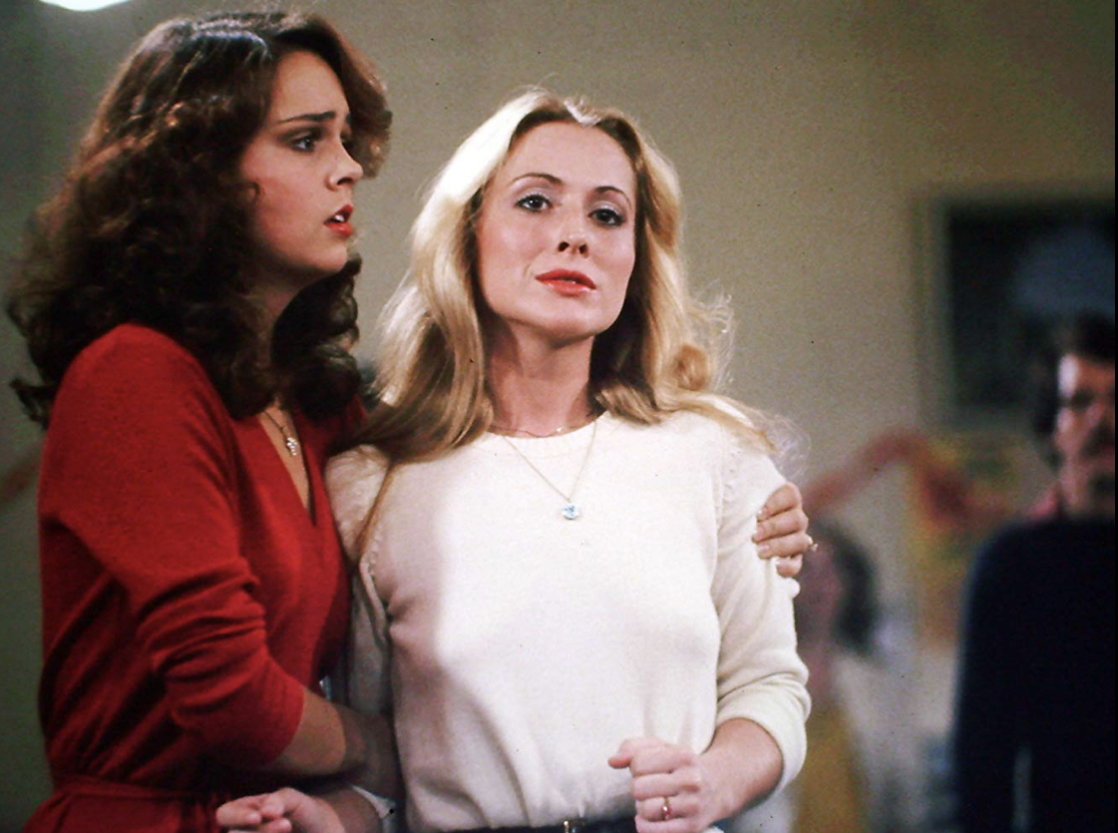
My Bloody Valentine (1981): In a small mining town, a Valentine’s Day dance is canceled after a series of gruesome murders that appear to be the work of a miner who went on a killing spree years earlier. As the body count rises, the locals realize the killer may have returned.
This Canadian slasher is memorable for its atmospheric small-town setting, creative kills involving mining equipment, and a strong whodunit structure. It’s meaner and more grounded than many American slashers of the period, and its gas-mask-wearing killer remains one of the decade’s most striking images.
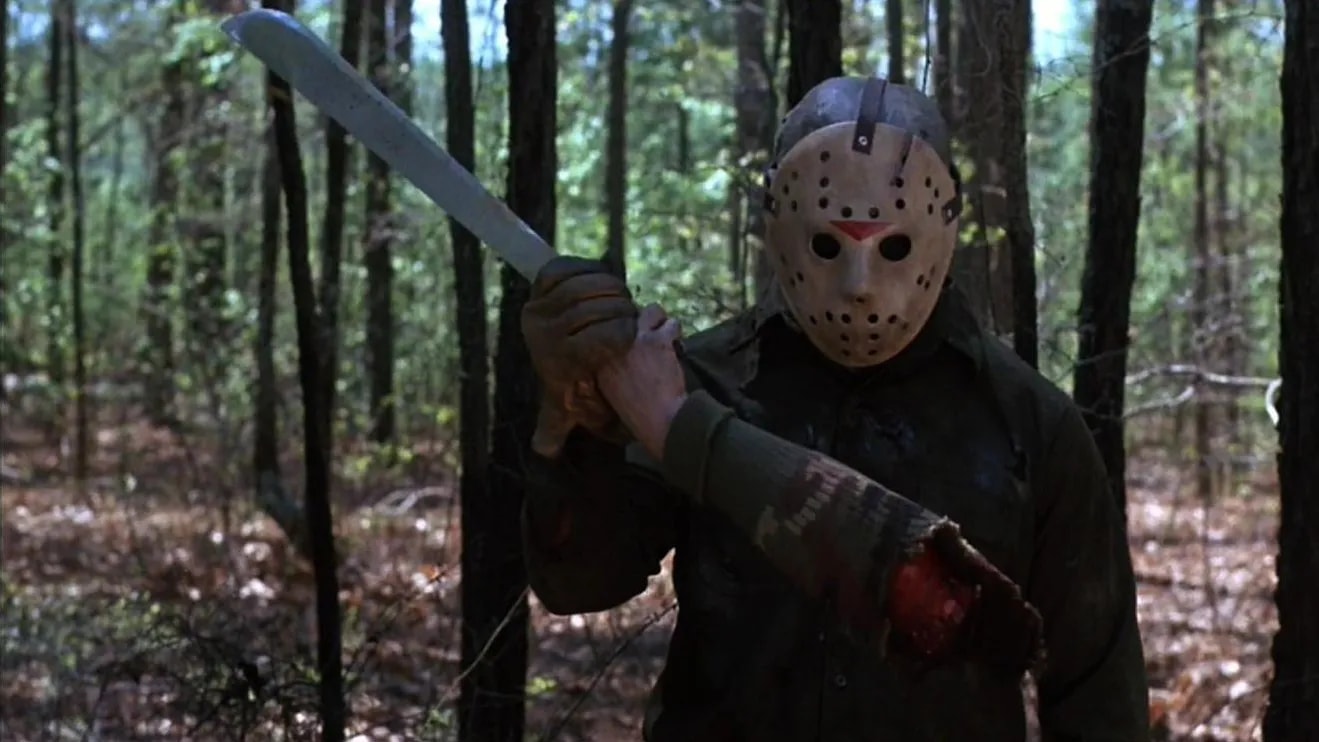
Friday the 13th Part VI: Jason Lives (1986): After accidentally resurrecting Jason Voorhees while trying to put him to rest, Tommy Jarvis races back to Camp Crystal Lake to stop the undead killer before he can slaughter a new group of counselors. This entry fully embraces Jason as an unstoppable supernatural force and leans into dark humor without losing the horror.
It’s often cited as one of the best Friday the 13th sequels because of its confident tone, inventive kills, and the way it revitalized the series by turning Jason into a true horror icon. The balance of scares and self-awareness makes it endlessly rewatchable.