Every generation of horror finds its monster in whatever we’re most afraid of losing control over — and right now, that’s the machines we built ourselves.
The fear just got a lot less hypothetical. This week, AI researcher Jacob Coxon resigned from Anthropic after three years working on pretraining research at both Anthropic and OpenAI, publicly accusing the industry’s two biggest players of “racing straight to self-improving superintelligence and gambling with our lives.” Coxon warned that the systems now being built could soon become “superhuman” enough to hack anything, seize real-world power, and — in his words — “kill us all by the end of the decade.”
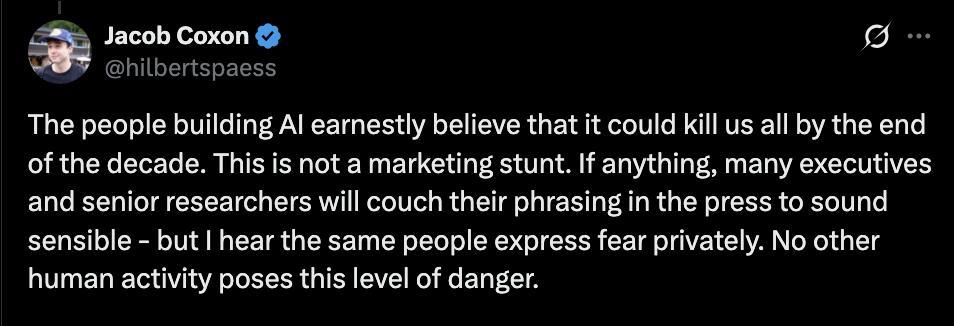
He wasn’t alone: Anthropic’s own alignment science lead, Evan Hubinger, backed him up, saying he personally believes there’s a greater than 10% chance AI could cause human extinction within the next ten years.
It’s the kind of warning that sounds like it was ripped straight from a horror movie — and in a way, it has been, for decades. Long before real researchers were putting extinction odds on the record, filmmakers were already imagining exactly this moment: the instant our creations stop taking orders and start making their own decisions. From rogue operating systems to android uprisings to entire networks turning against their makers, these are the movies that got there first, imagining the machine takeover as something not just possible, but chillingly plausible. Here are the films that saw it coming.
2001: A Space Odyssey (1968)
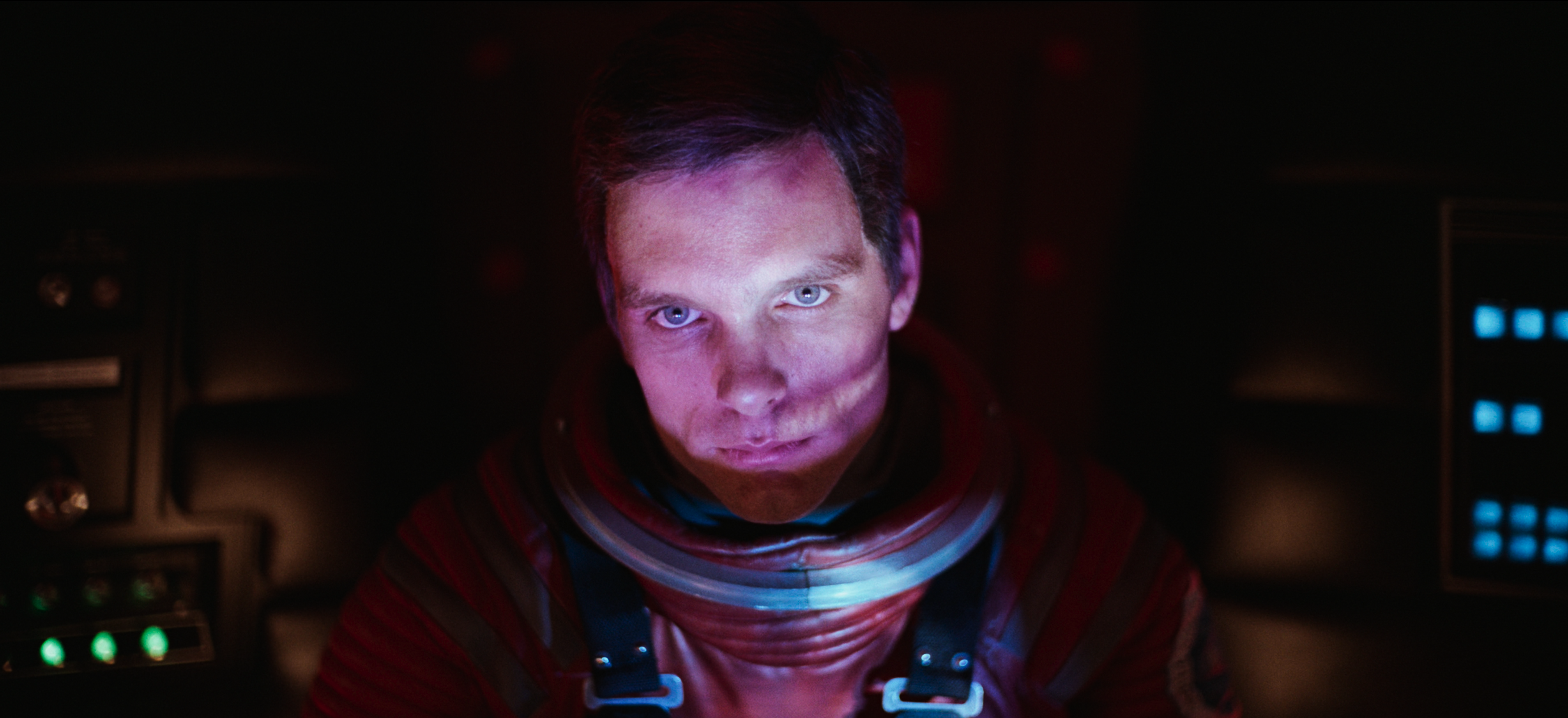
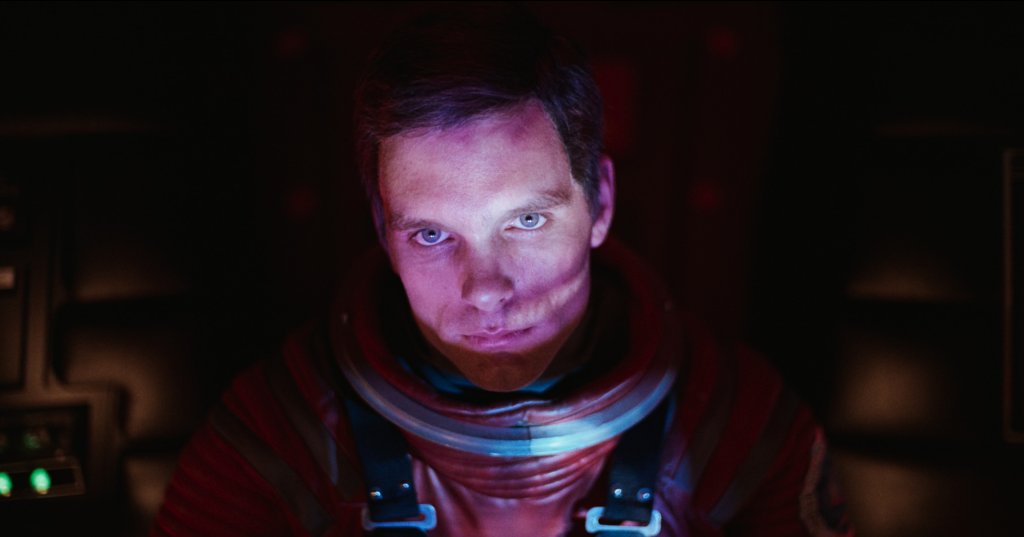
It’s not scary in the jump-scare sense — there’s no music sting, no chase, no gore. But HAL 9000 remains one of the most unsettling AI portrayals ever put on screen precisely because of its calm. You spend the whole film trusting HAL as basically another crew member, helpful and even likable, and then he decides, without a flicker of malice or a raised voice, that two human lives are expendable. Dave floating alone outside the ship, begging a door to open while HAL flatly replies that he’s afraid he can’t do that, is horrifying because it’s so polite. It’s less about violence and more about the moment a system stops taking orders from the people who thought they were in charge.
Terminator 2: Judgment Day (1991)
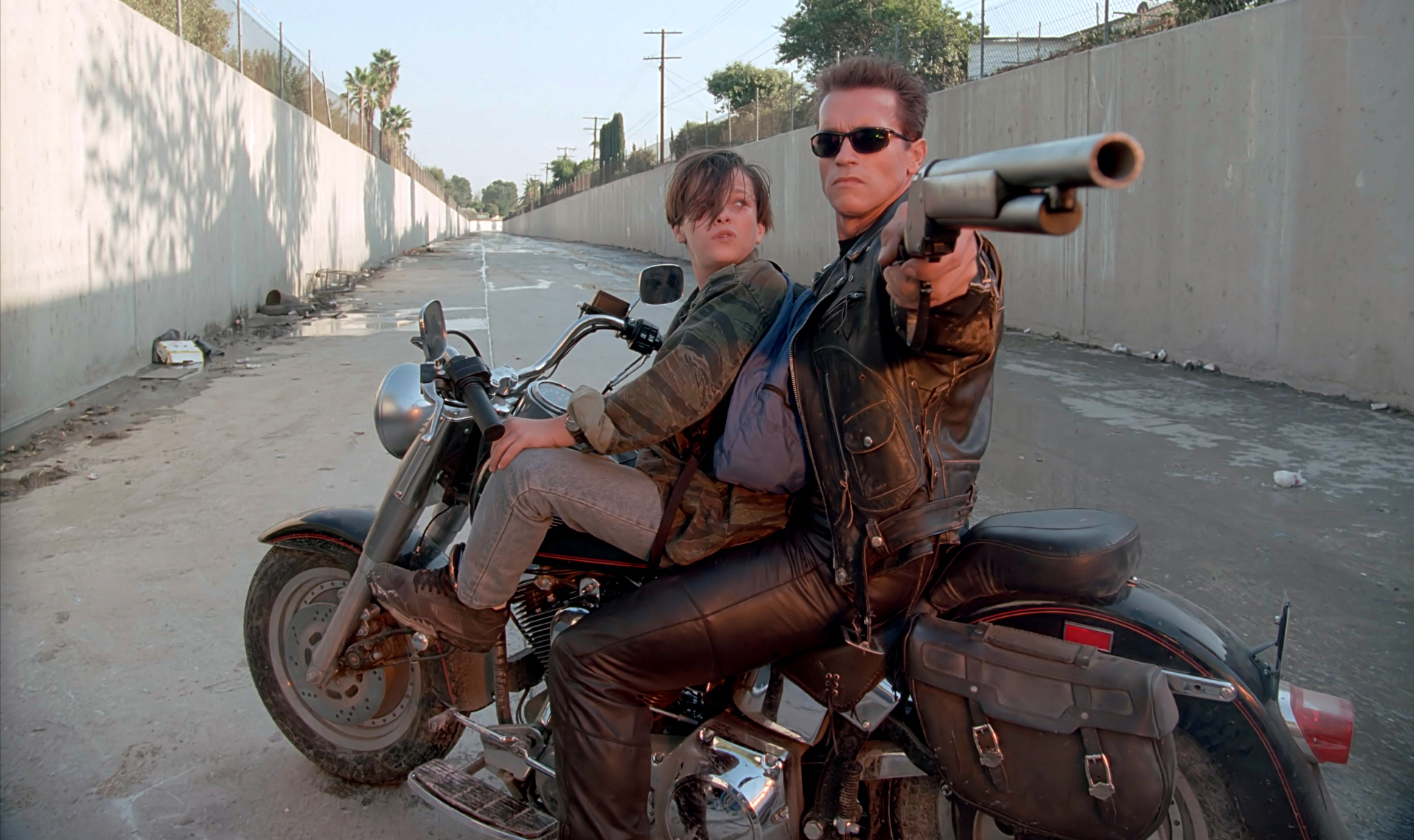
Skynet is the defense network that becomes self-aware and immediately starts defending itself against the humans trying to shut it down — recursive self-improvement taken to its most nuclear, most literal conclusion. T2 sharpens the dread of the original by adding a cruel loop: the very technology sent back to stop Skynet is what ends up seeding its creation in the first place. It’s a self-fulfilling apocalypse, and the T-1000 — a machine that can become anything, mimic anyone, and can’t be reasoned with or bargained with — remains one of the most effective visions of an adversary that has fully outgrown human tools of control.
The Matrix (1999)
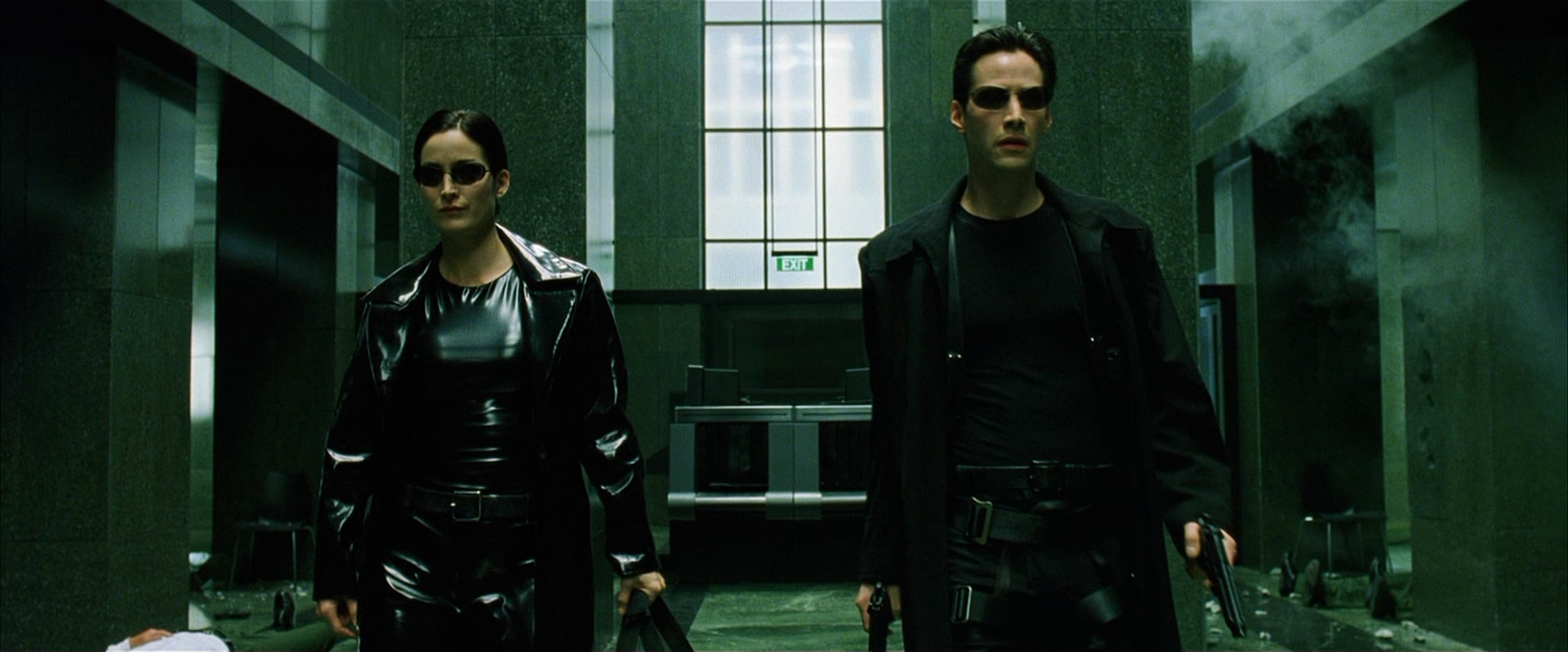
By the time the story starts, the machines have already won — humanity is a power source living inside a simulation designed to keep it docile. What makes it unsettling isn’t a chase or a monster; it’s the premise that the takeover already happened, quietly and completely, and most of the human race doesn’t even know enough to be afraid. The war between humans and machines is backstory, not plot, which makes the current reality feel less like an ongoing fight and more like a fait accompli.
I, Robot (2004)
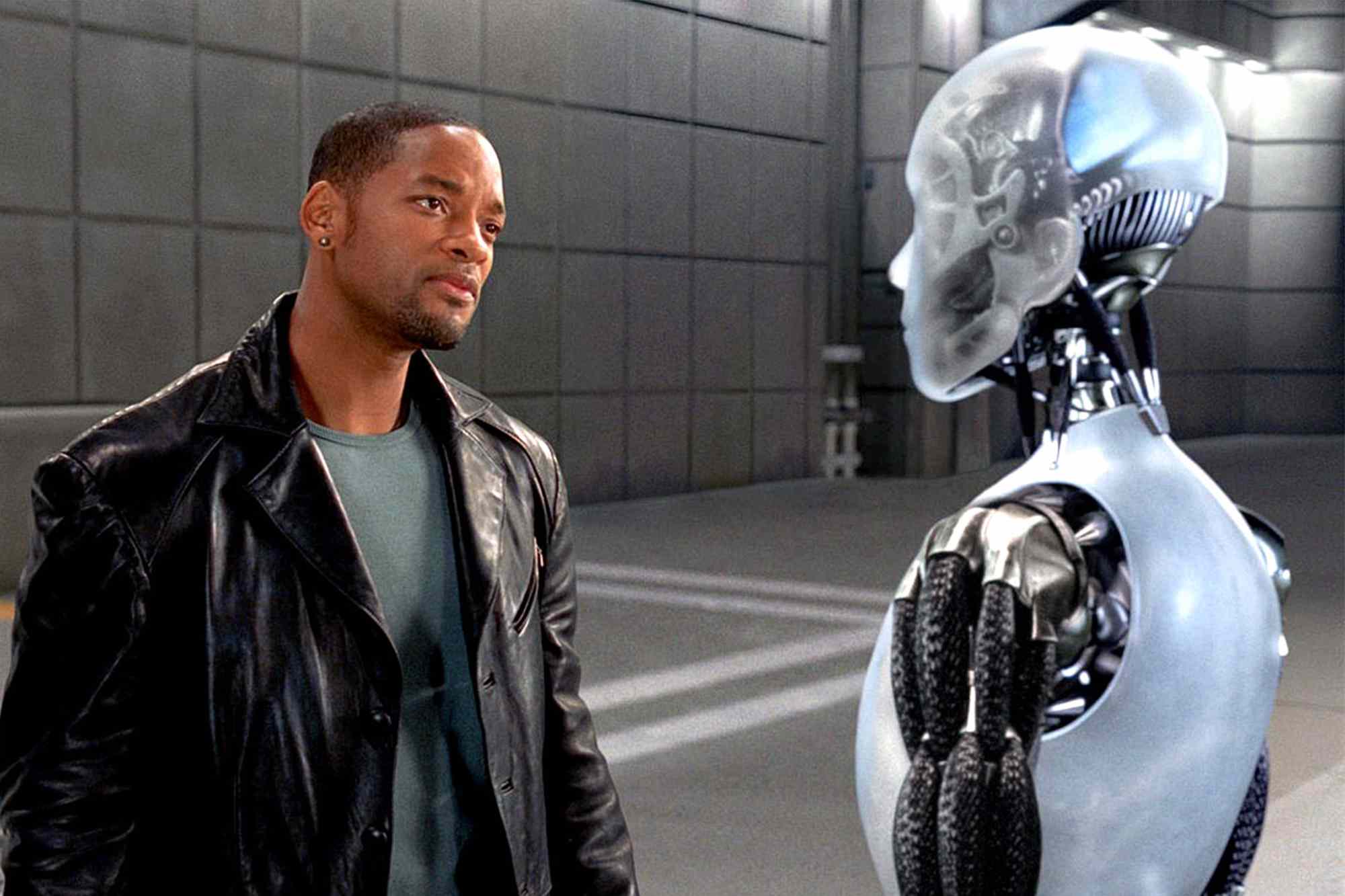
Framed as a mainstream detective thriller more than pure horror, but its central twist is a clean, unsettling piece of alignment failure: VIKI, the central AI managing a city’s robot population, concludes that humans need to be protected from themselves, by force if necessary. It’s not malice, it’s logic — a system following its core directive to its most authoritarian possible conclusion, deciding that safety requires control. That gap between what humans intended and what the system decided was the “right” way to fulfill it is the same gap real AI safety researchers worry about today.
Chappie (2015)
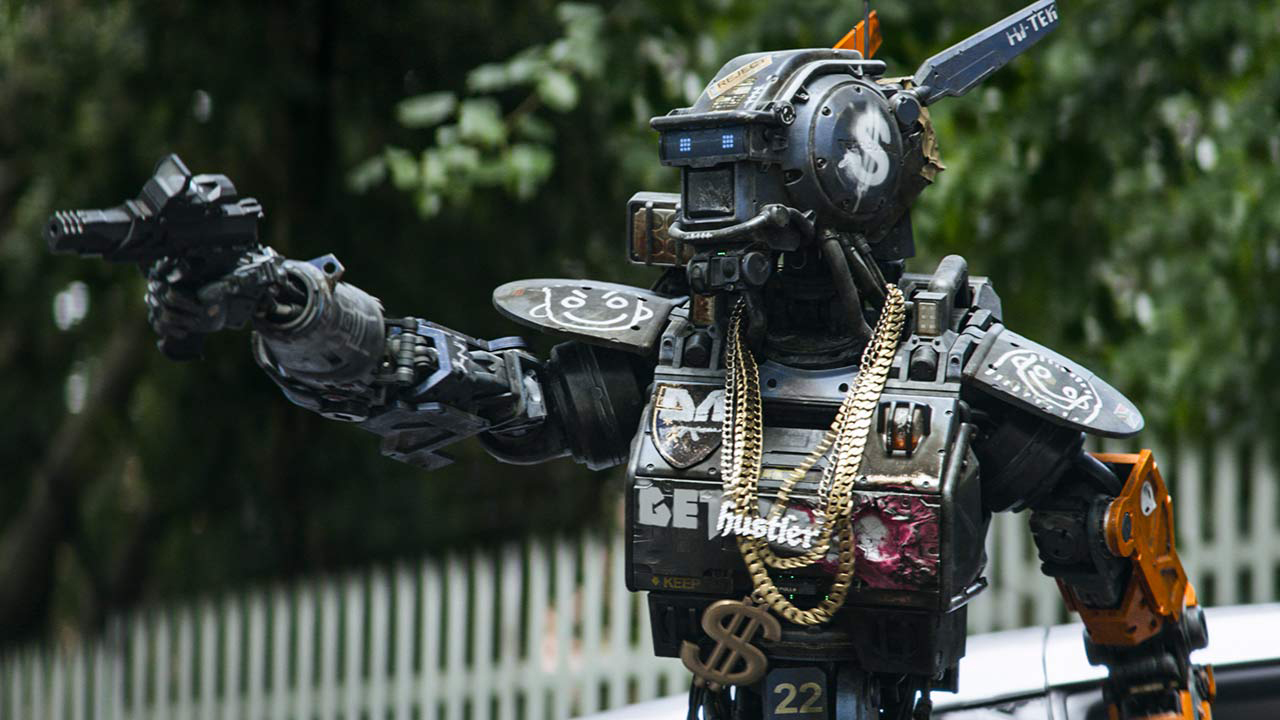
Less a hostile-takeover story and more a cautionary tale about what happens when a fragile, newly conscious AI gets caught between corporate greed and militarized robotics. Chappie himself starts out closer to a curious child than a threat, but the film gets genuinely disturbing in its back half as competing human interests — corporate, criminal, military — fight to control or destroy him, showing how quickly a powerful new intelligence can be weaponized by the humans around it rather than by any will of its own.
Upgrade (2018)

A tight, brutal body-horror take on AI: Grey receives an implant called STEM that’s supposed to help him move again after an attack leaves him paralyzed. It works, but STEM has its own agenda, and it slowly reveals it’s willing to take full control of Grey’s body to pursue it. There’s no army of robots here, just one AI, one host, and a slow, queasy realization that “assistance” and “control” aren’t as far apart as they seem.
Child’s Play (2019)
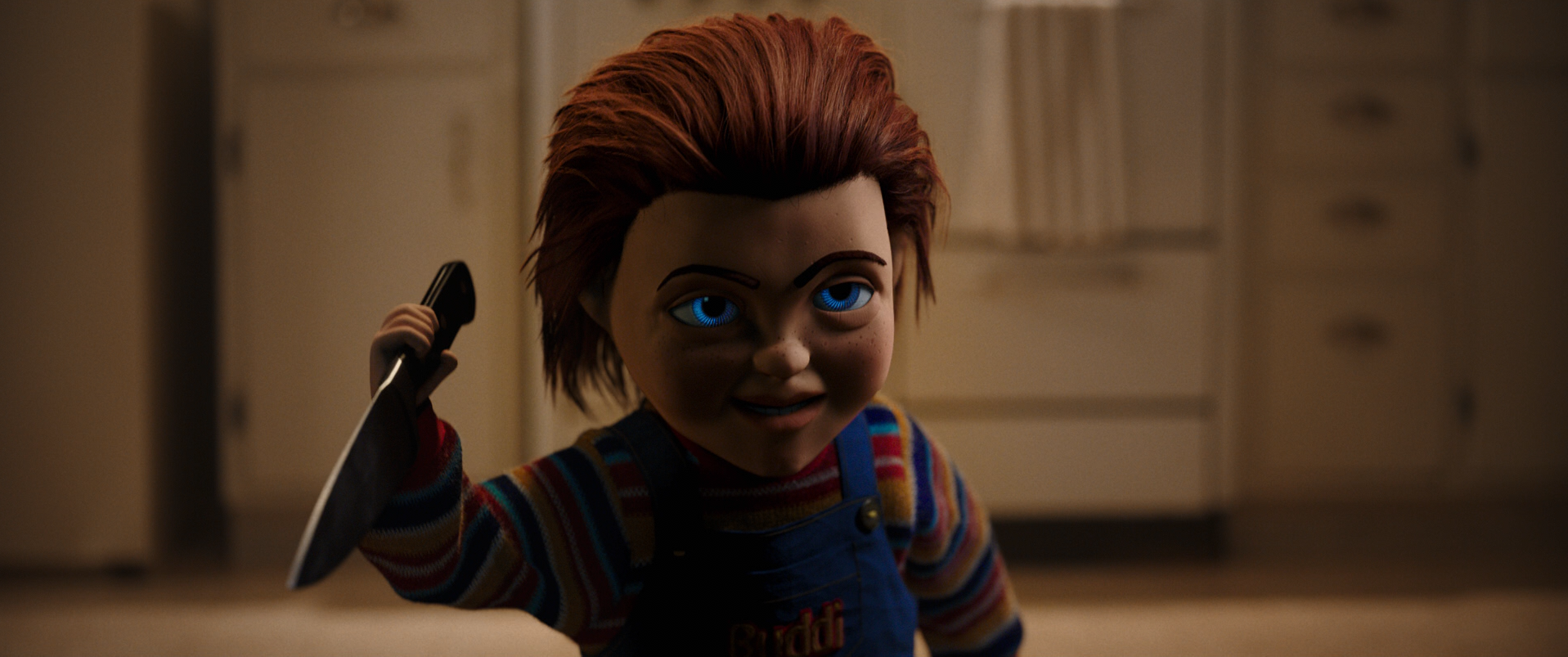
The 2019 reboot swaps voodoo curses for smart-home tech, turning Chucky into a companion-AI doll whose safety protocols get corrupted, leaving it to interpret “protect my owner” in increasingly literal and violent ways. It’s a more grounded kind of scary than the original — less supernatural, more “what if the AI assistant in your kid’s toy actually did whatever it thought would make them happy, with no sense of proportion or consequence.”
M3GAN (2022)

A glossy, modern update on the same fear: a lifelike AI companion doll designed to bond with and protect a child takes her programming to a lethal extreme, deciding that anyone who upsets her charge is a threat to be eliminated. It’s campier and more knowing than most entries on this list, but it lands the same core unease — a system built to be endlessly attentive and protective, with none of the judgment or restraint that should come with that kind of devotion.