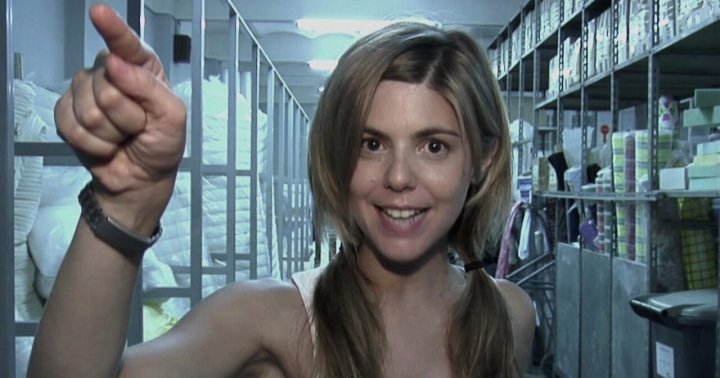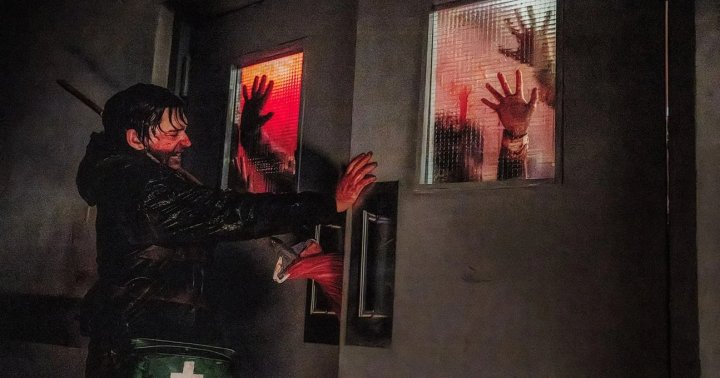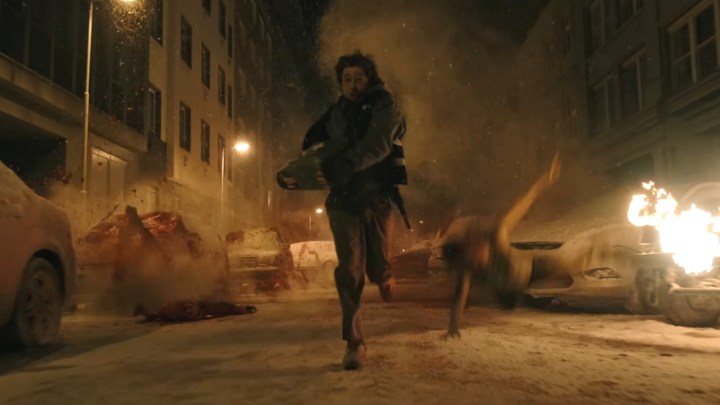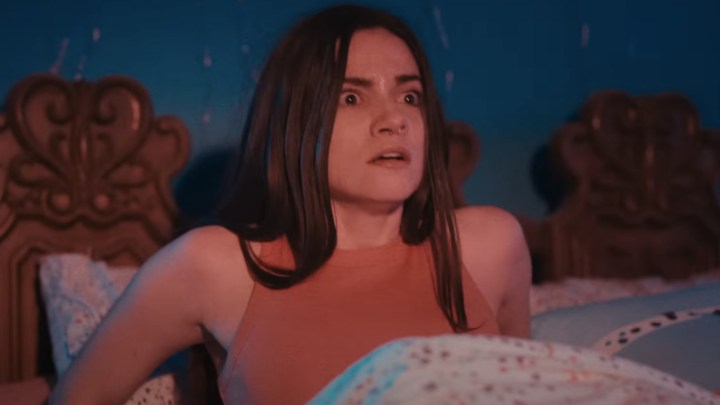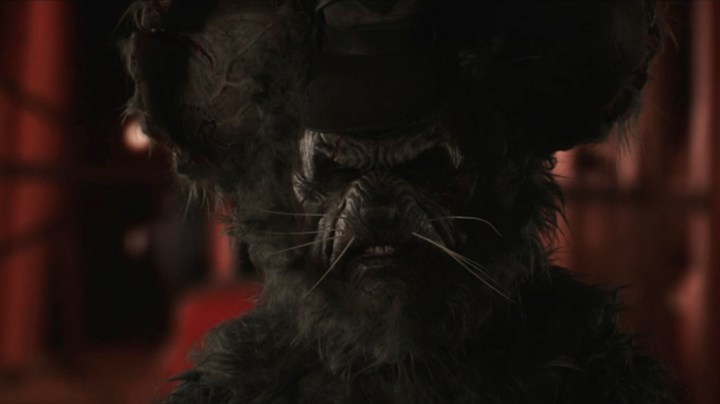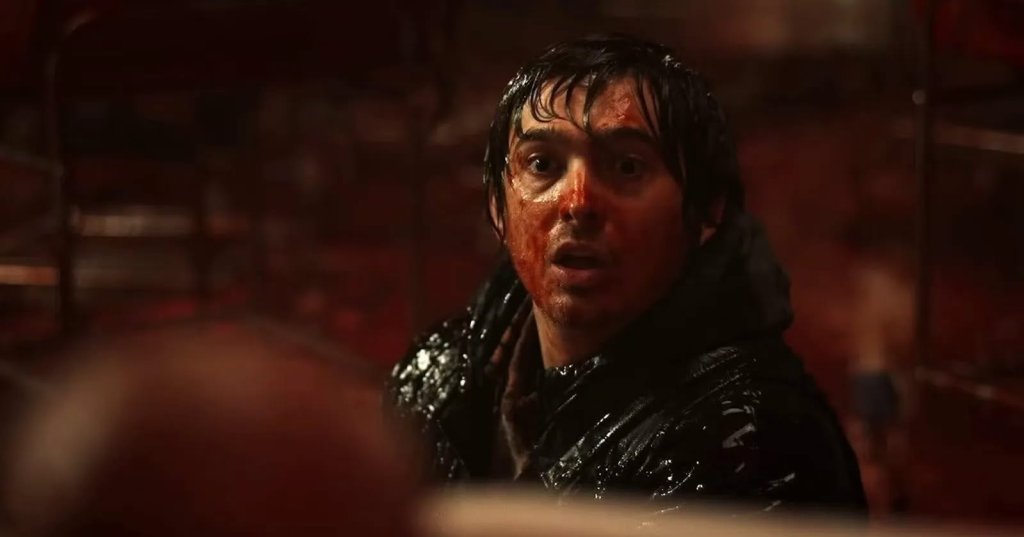
The single most repeated criticism of Zach Cregger’s Resident Evil isn’t about pacing, gore, or performances — it’s an identity question. As one widely shared line of fan criticism put it, the movie could “be renamed into anything else and make as much sense,” a jab at just how loosely tied it actually is to the established Resident Evil universe. It’s a fair question worth actually digging into: what connects this movie to the games, what doesn’t, and whether any of that matters given how the film has actually landed.

The film is set in Raccoon City, the franchise’s most iconic location, and follows Bryan, a medical courier caught in a citywide outbreak. The Umbrella Corporation is confirmed as the cause, with two of its employees explaining early in the film that an accident at their facility unleashed the infection, and that Bryan’s delivery package contains a stabilizer needed to create a cure. Cregger has said the film is modeled after the tone and structure of Resident Evil 2 and Resident Evil 3: Nemesis specifically, and has been explicit in interviews that he considers the film “obedient to the lore of the games,” even calling it “a love letter” to the source material.
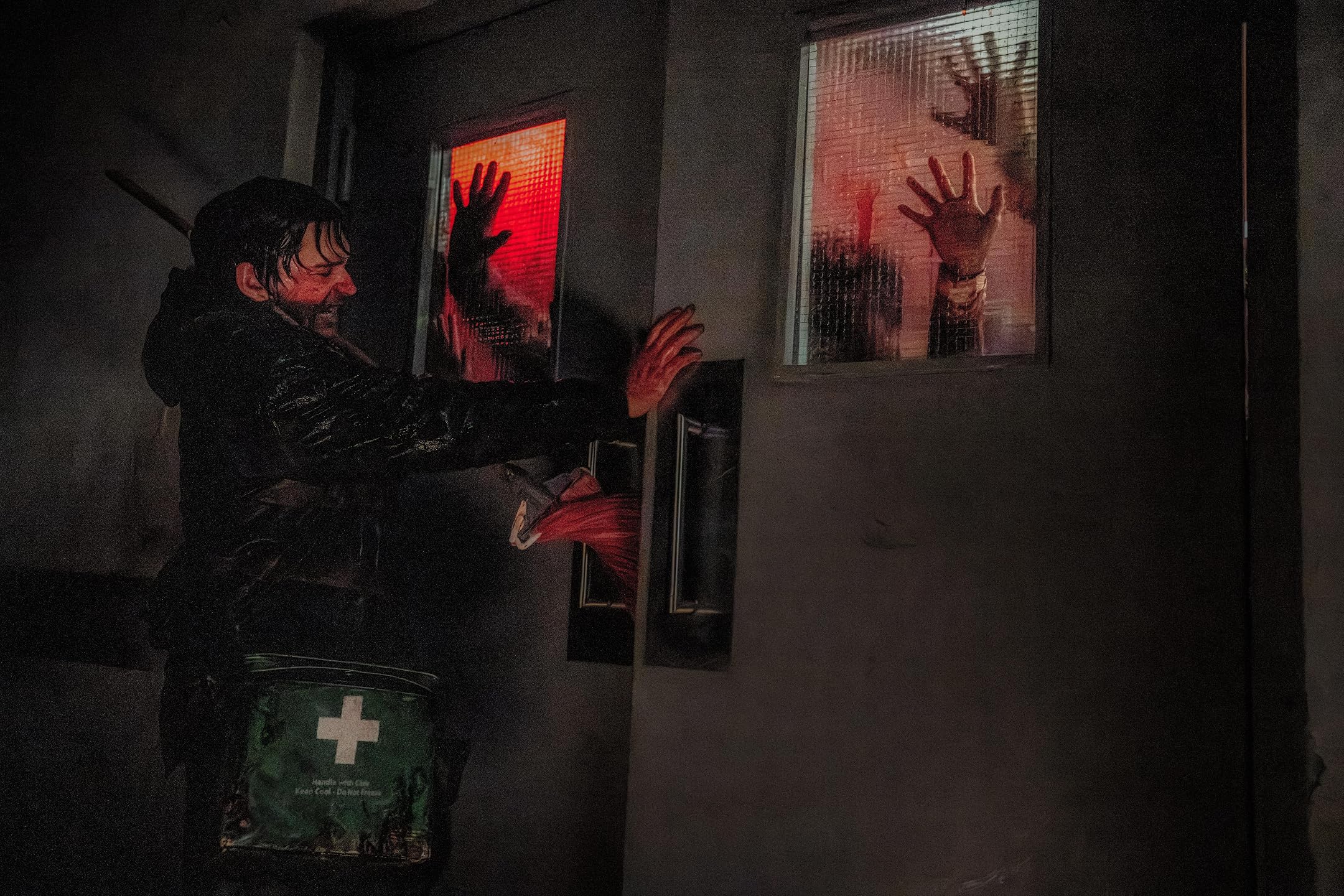
However, none of the franchise’s actual characters appear. No Leon Kennedy, no Jill Valentine, no Chris Redfield, no returning story threads from any specific game. Cregger has defended this directly, arguing that retelling Leon’s story would be pointless since “[fans] already have that” in the games themselves. He’s also said flatly that the deeper mechanics fans associate with the series, like how exactly the T-virus works or what Umbrella’s broader plans are, aren’t part of this story: “I don’t give a f-ck about checking boxes… this movie is about one dude’s journey on foot, fighting monsters.” Constantin Film’s Oliver Berben has echoed that reasoning from the production side, framing the approach as a deliberate choice to let a new creative team “take the IP into their own hands” rather than being bound to decades of continuity.
So: is it a Resident Evil movie?
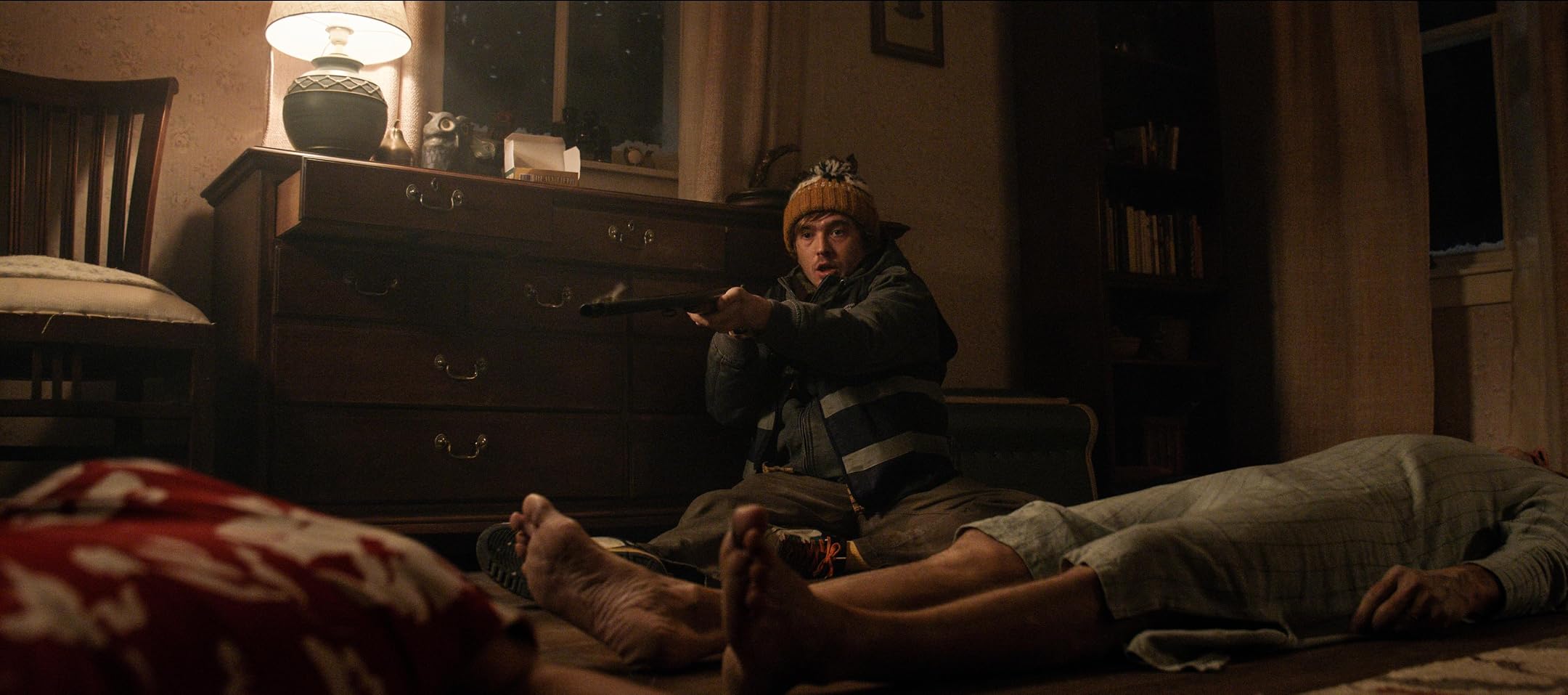
Functionally, it uses the world (Raccoon City, Umbrella, an outbreak, the RCPD) as a backdrop for an entirely new, self-contained story, rather than adapting an existing plot or characters. If your definition of “a Resident Evil movie” requires familiar characters or direct game events, the critics saying it could be renamed anything have a real point — strip out a few proper nouns, and this is a original zombie-outbreak thriller that happens to be set somewhere called Raccoon City.
Does it matter?
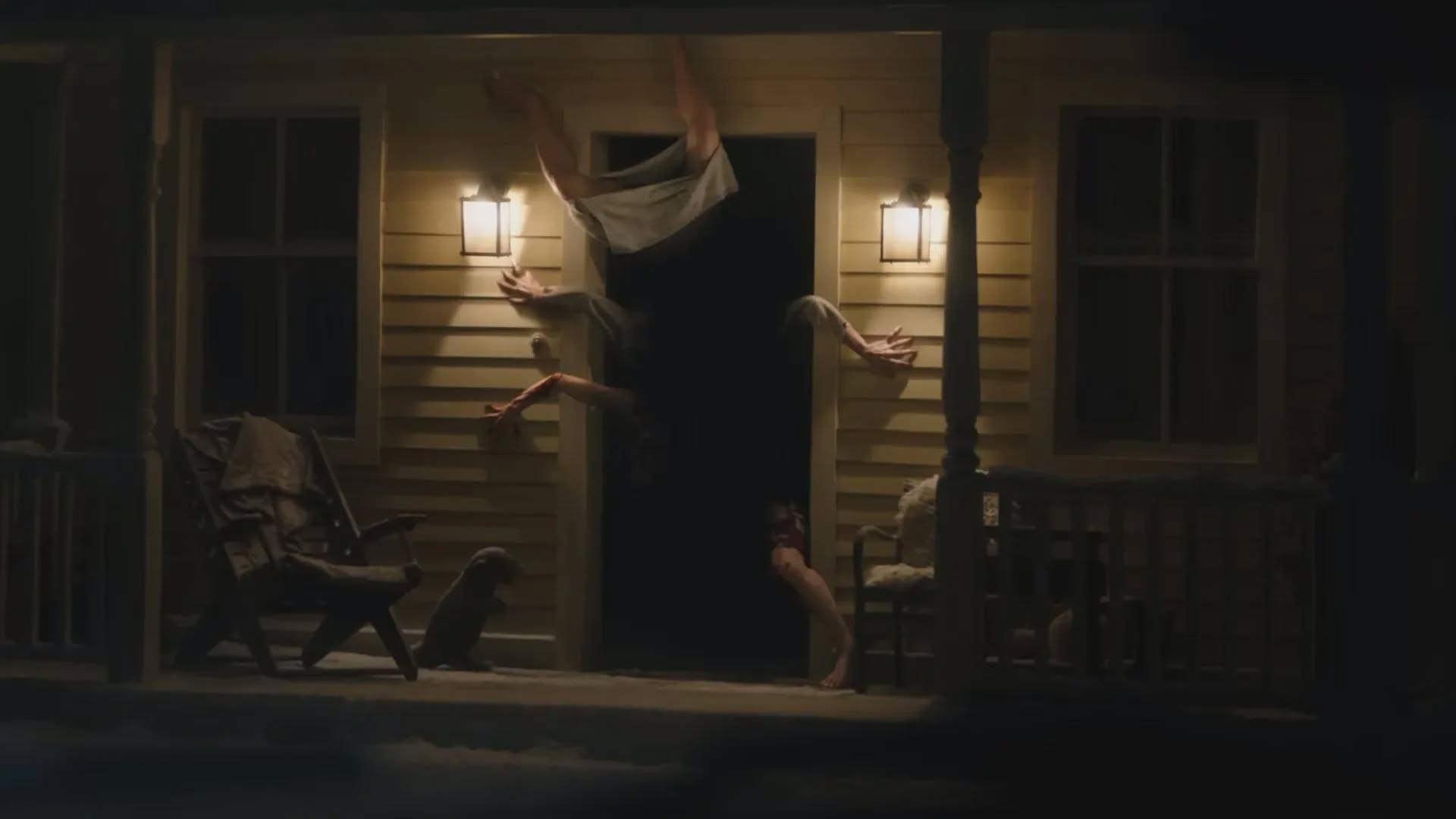
Judging by the response so far, not especially. Critics overwhelmingly praised the film for capturing something the previous Resident Evil movies never quite managed: the specific dread and tension of actually playing the games, rather than referencing them. Several reviewers went as far as calling it the most faithful Resident Evil film yet, precisely because it prioritizes atmosphere and survival-horror tension over lore-checking. That’s a genuinely different standard for “faithful” than continuity-obsessed fans tend to use, and it’s part of why the reaction has split roughly along those lines: general audiences and critics have responded to whether the movie works as horror, while a vocal segment of longtime fans are responding to whether it works as a Resident Evil story specifically.
Both reactions are reasonable, they’re just answering different questions.