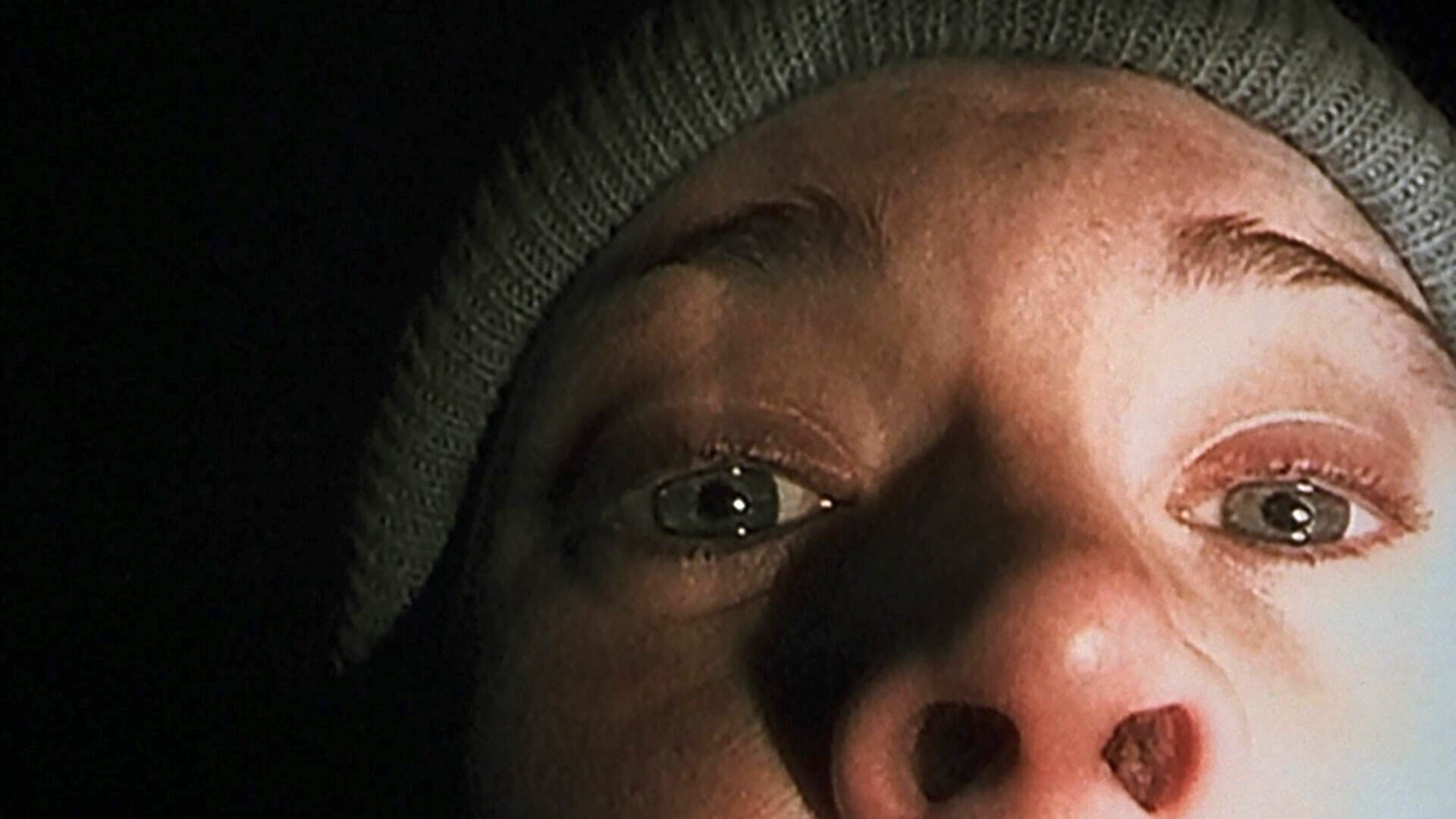
The Blair Witch Project’s actors used their real names in a story about filmmakers who vanished, and the illusion reached their families. Joshua Leonard later said that during the campaign, “Our parents were getting condolence calls.”
Released widely on July 30, 1999, the fictional horror film followed Heather Donahue, Joshua Leonard and Michael C. Williams as student filmmakers who disappeared in 1994 while investigating a witch legend near Burkittsville, Maryland. Directors Daniel Myrick and Eduardo Sánchez invented that mythology and gave it a paper trail before audiences ever entered a theater.
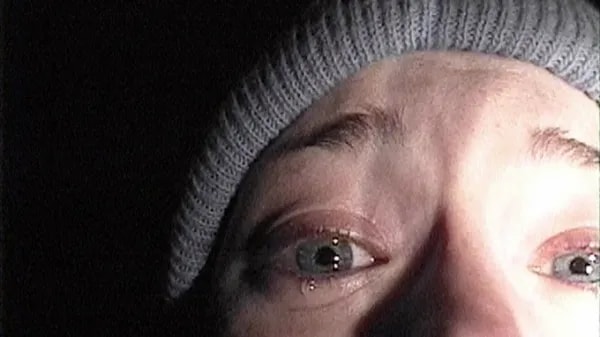
A website launched in 1998 presented fabricated police records, interviews and news coverage. Its backstory even included Donahue’s mother supposedly battling police over the recovered footage and asking for it to be assembled. Missing-person posters and staged interviews with the characters’ relatives and friends helped sell the disappearance beyond the screen.
The real performers were kept out of pre-release press, and their IMDb profiles were labeled “deceased.” With the characters sharing the actors’ names, looking them up could reinforce the fiction. Leonard said some people continued to doubt them even after they began doing publicity.
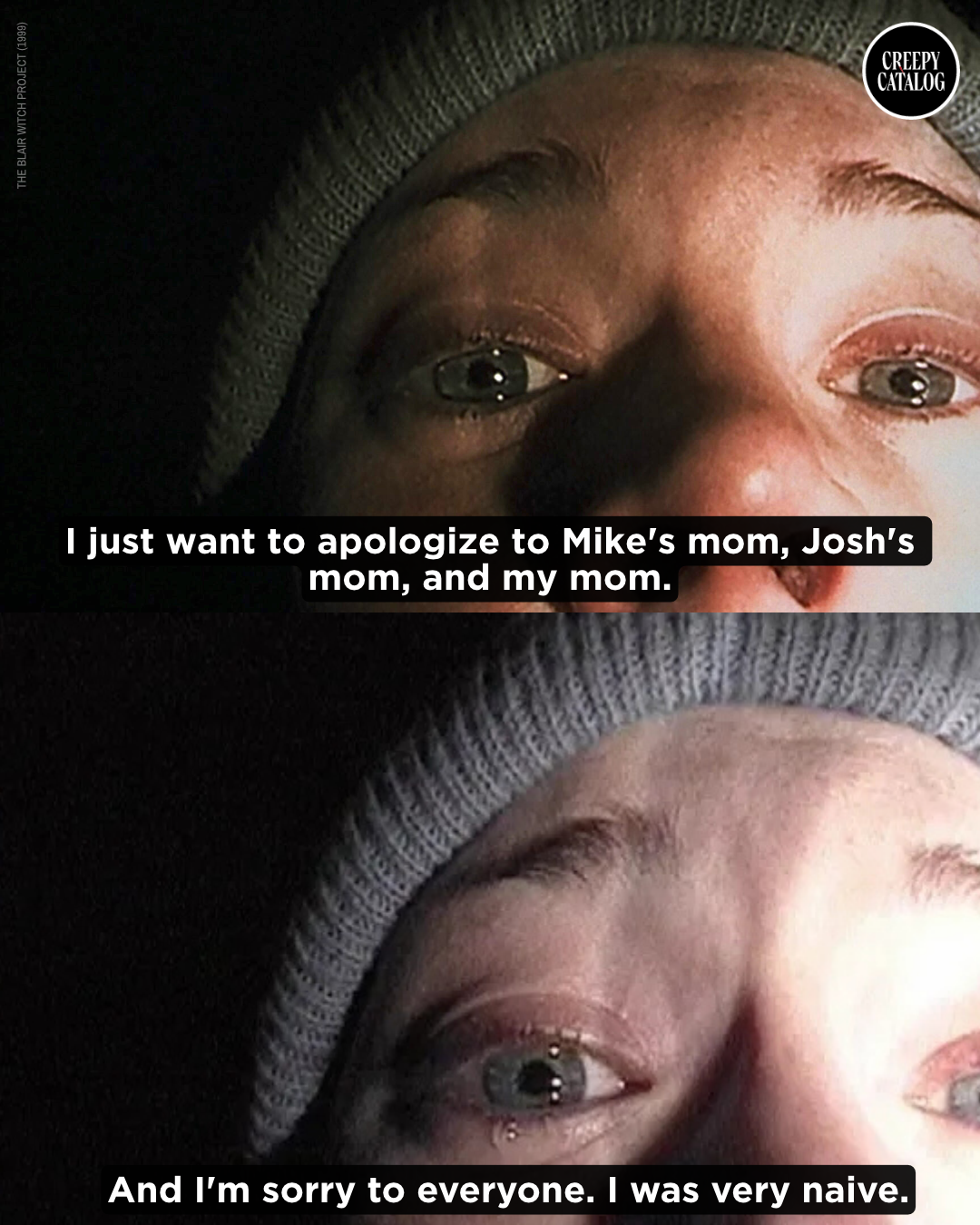
The footage itself was built to withstand that illusion. Instead of learning dialogue, the cast worked from character backgrounds and limited instructions tied to a plot outline.
They spent 8 days in the woods, following GPS coordinates and discovering much of what would happen as they went. The directors created noises and unsettling situations around them, leaving room for surprise, confusion and improvised arguments.
Hunger, disrupted sleep and stress also shaped the performances. Sánchez later said food supplies were reduced toward the end of filming. Williams maintained that they were never starved or in imminent danger: “The whole idea was to have us as uncomfortable as possible without putting us in danger.”