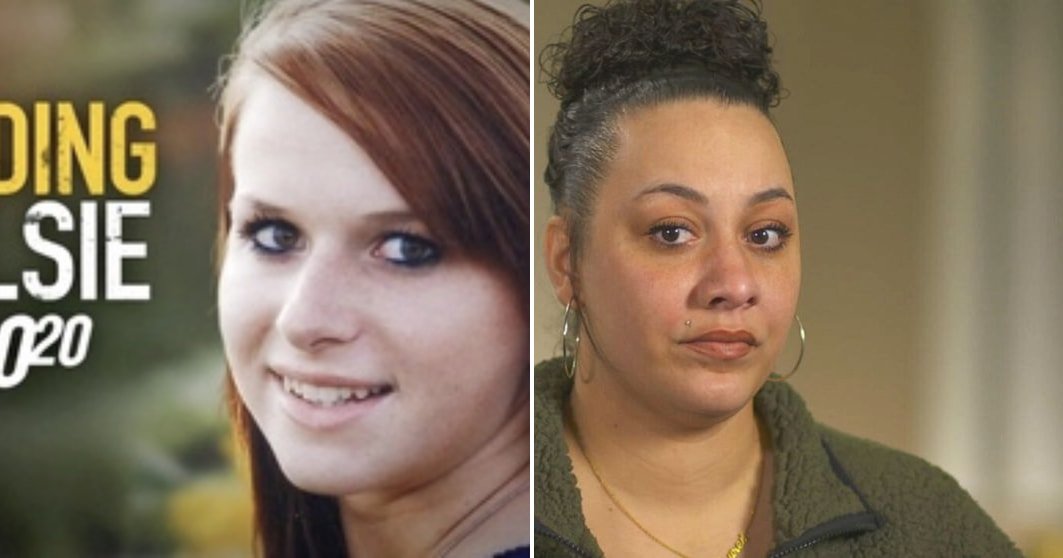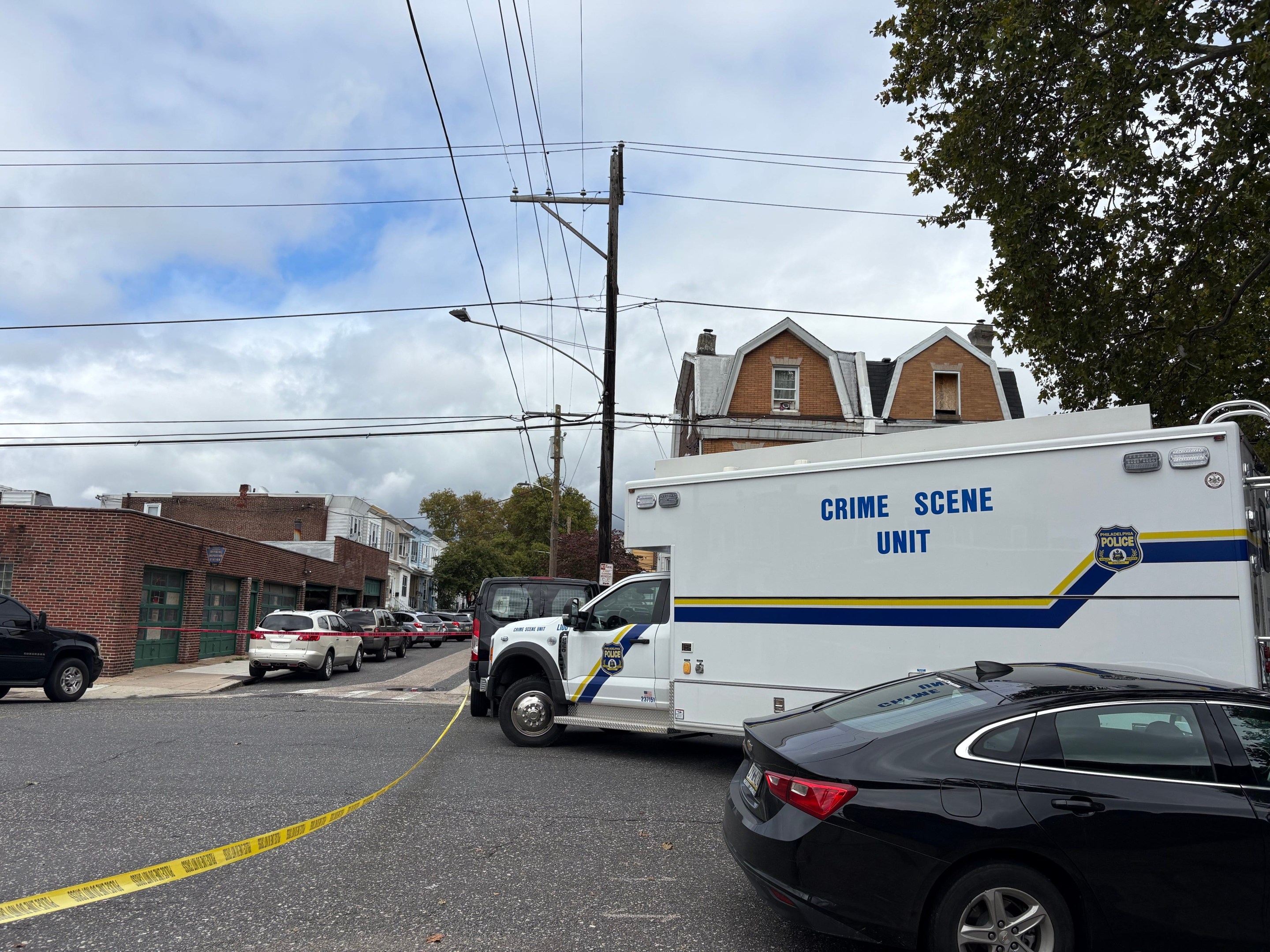
Seven missing women have been linked to a house in the Olney section of Philadelphia, where 44-year-old Eugene Horsch lived with his late father, Raymond “R.C.” Horsch. Five of the seven are feared dead, and police and the FBI are searching the home.
Law enforcement has named Raymond, who died in 2025 at 82, as the suspected killer. Eugene has not been charged with any homicides or missing-person offenses tied to the women.
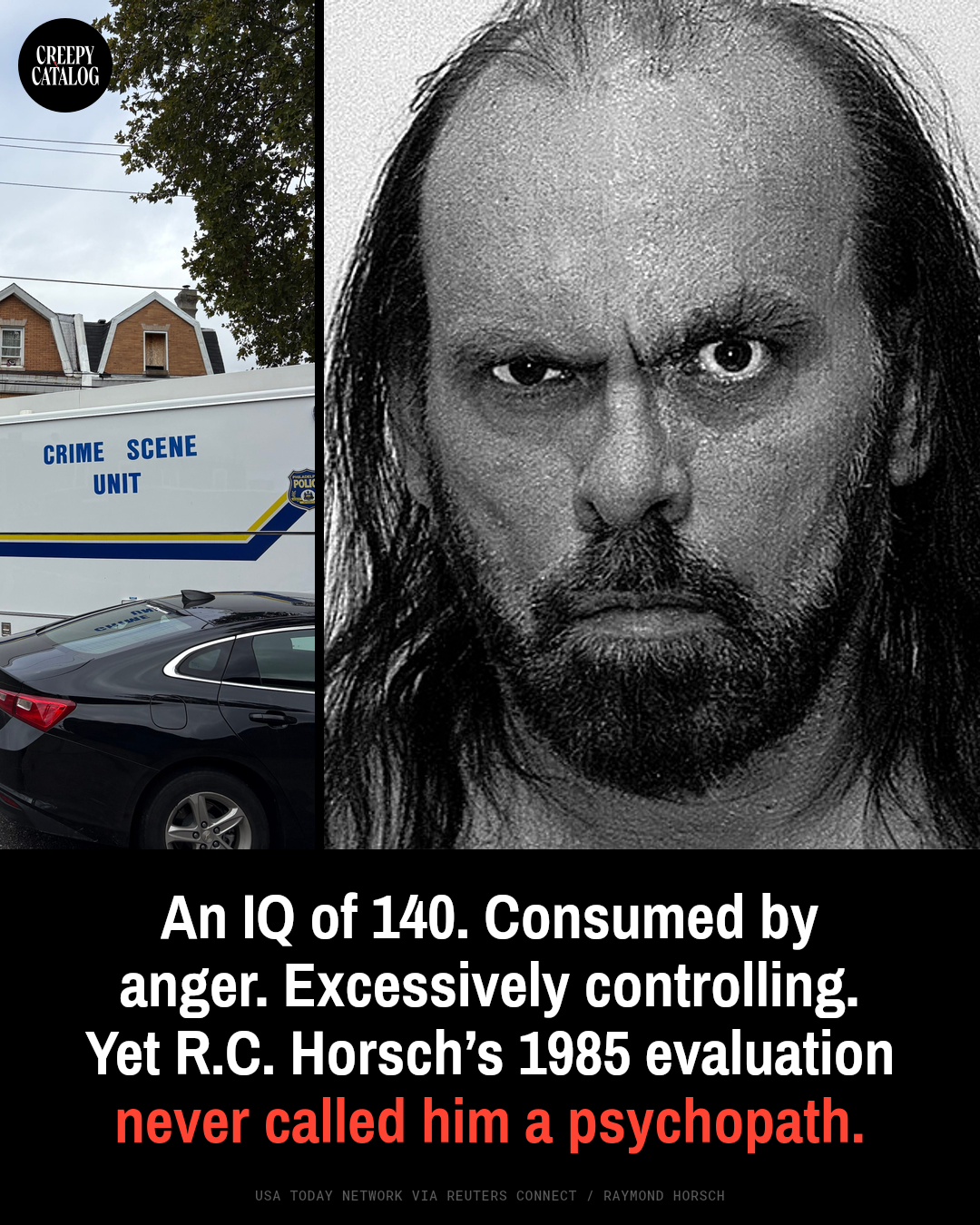
Decades earlier, R.C. Horsch sat for a long psychological evaluation. In 1985, he was convicted in federal court on counterfeiting and methamphetamine manufacturing charges, and the assessment was part of his sentencing.
Horsch was “consumed by anger,” the psychologist noted, calling him “grandiose, mistrustful, suspicious and excessively controlling.” The conclusion was that Horsch likely had bipolar disorder and paranoid personality disorder. The evaluation flagged several traits linked to psychopathy, but it never identified him as psychopathic.
David DeMatteo, a Drexel University professor of law and psychology who has conducted hundreds of forensic evaluations, says that gap doesn’t surprise him. The tools now used to measure psychopathic traits didn’t exist yet in 1985.
The most widely used one, the psychopathy checklist-revised, or PCL-R, wasn’t commercially released until 1991. A precursor was developed in 1980 but never sold, and every other psychopathy assessment came after the PCL-R.
Psychopathy isn’t a diagnosis in the current DSM, the main manual U.S. clinicians use. It’s generally treated as an extreme variant of antisocial personality disorder, marked by traits like pathological lying, extreme narcissism, shallow affect, impulsivity, and a lack of empathy and remorse.
Most people with psychopathic traits are not killers. But some traits tied to extreme psychopathy, including the ability to commit violence with little guilt, show up often among serial killers. Ted Bundy and Jeffrey Dahmer are both suspected to have had the disorder.
DeMatteo says catching those traits before someone turns violent is the ideal. Most evaluations, though, happen only after an arrest or conviction, which is exactly when the chance to intervene early has already passed.