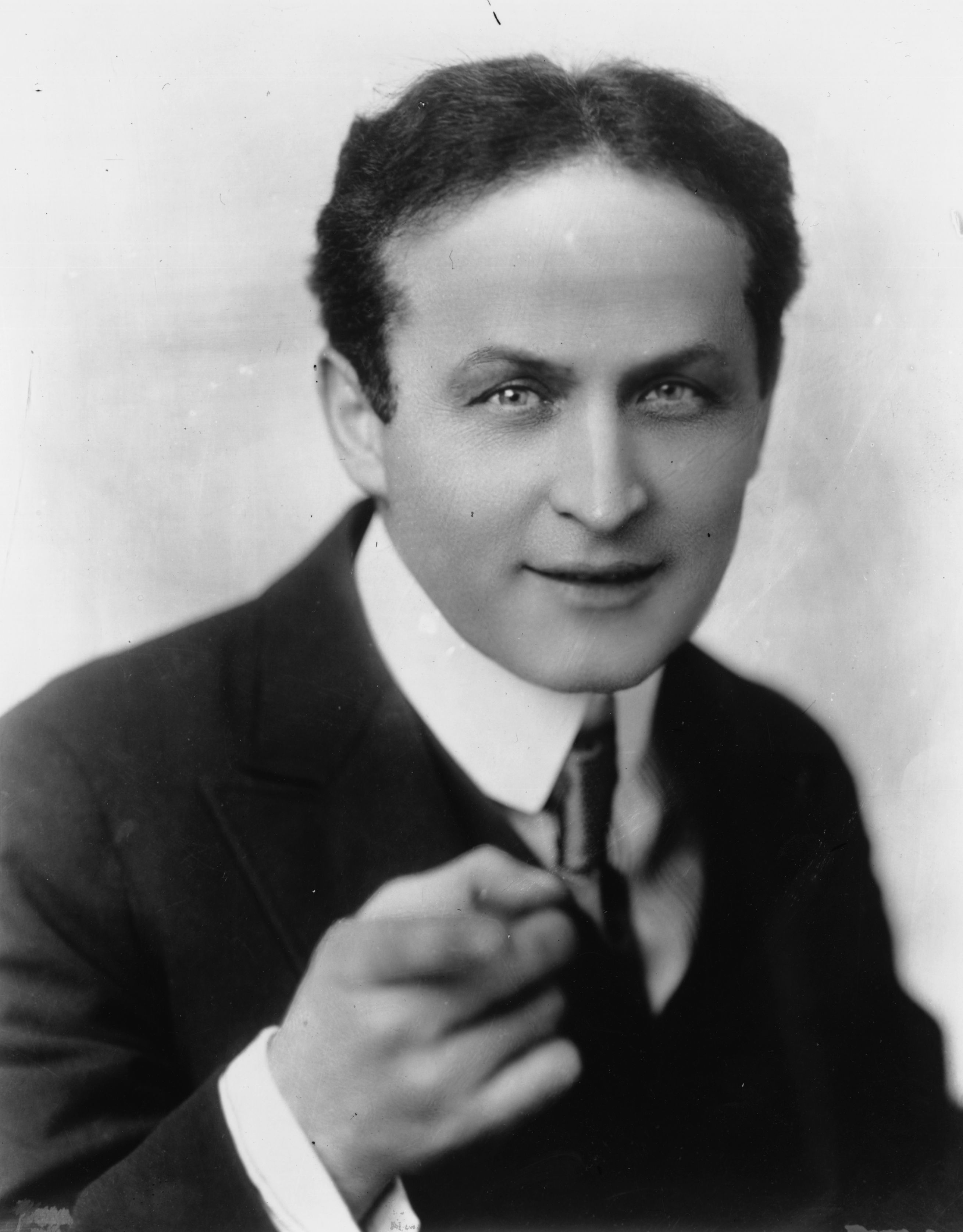
Harry Houdini was reclining on a couch in his Montreal dressing room when a man struck him repeatedly in the abdomen on October 22, 1926. Witnesses said the escape artist hadn’t had time to brace himself. By Halloween, he was dead at 52.
Houdini was at the Princess Theatre, resting an injured left ankle after an accident during his Water Torture Cell act in Albany. McGill students Samuel Smilovitz, who was sketching him, and Jack Price were visiting when J. Gordon Whitehead asked about Houdini’s claim that he could withstand punches to the stomach.
According to the students’ accounts, Houdini said he could take considerable force if he was prepared. Whitehead delivered several blows, reportedly 4 or 5, before Houdini could get up and tighten his stomach muscles.
Houdini showed pain and signaled for him to stop. Whitehead later maintained that Houdini had authorized and encouraged the punches; accounts differ over how ready he was.
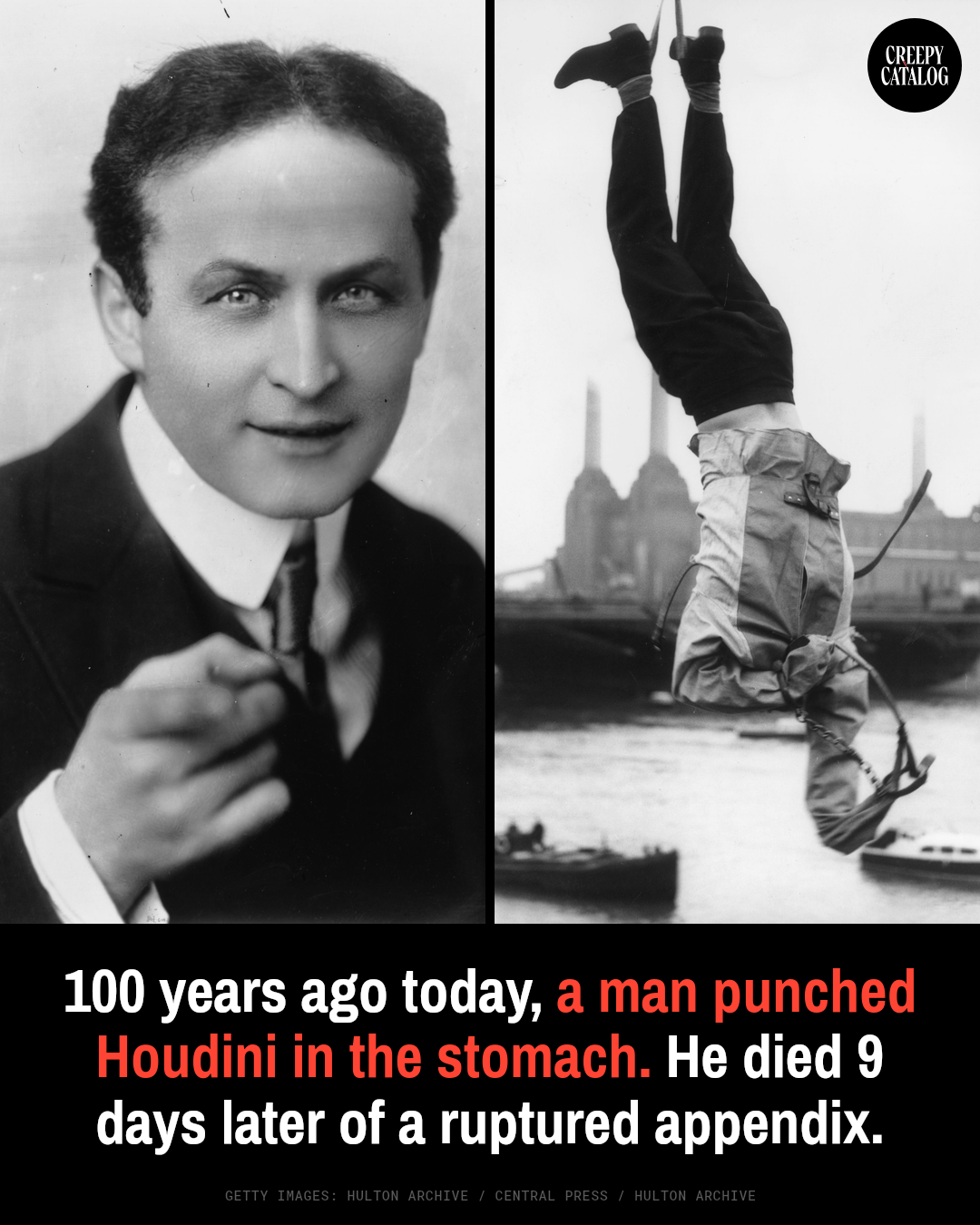
Houdini performed that night and continued to his next engagement in Detroit. Despite severe abdominal pain and a reported fever of 102°F, he went onstage again. He was taken to Grace Hospital after collapsing following the show.
Doctors diagnosed acute appendicitis. Surgery found that his appendix had ruptured and infection had spread through his abdomen, which was almost always fatal at the time. A second operation couldn’t save him.
With his wife, Bess, and family nearby, he died on October 31, 1926, at 1:26 p.m. His documented cause of death was diffuse peritonitis caused by a ruptured appendix.
Whether the punches caused that rupture remains disputed. His doctors and life insurer accepted traumatic appendicitis as the explanation, but later medical and historical assessments have questioned a direct link.
He may already have had appendicitis, with pain from the blows obscuring the symptoms and contributing to a delay in treatment. Whitehead was never charged.