Original participants in The Stanford Prison Experiment say Philip Zimbardo helped shape the abusive behavior that made his 1971 study famous.
At Stanford University, college-student volunteers were randomly assigned to play guards or prisoners in a simulated jail inside the psychology building’s basement. The study was supposed to run for up to 2 weeks. It ended after 6 days, with prisoners experiencing serious distress and guards using humiliation, arbitrary punishment, and restrictions on sleep and bathroom access.
The experiment became a widely taught example of how ordinary people could become cruel when given authority. Later participant accounts and analyses challenged how much of that behavior emerged independently: Zimbardo coached guards, participants picked up on what researchers expected, and the reporting of results was selective. Those problems complicate any claim that assigning someone power was enough to explain what followed.
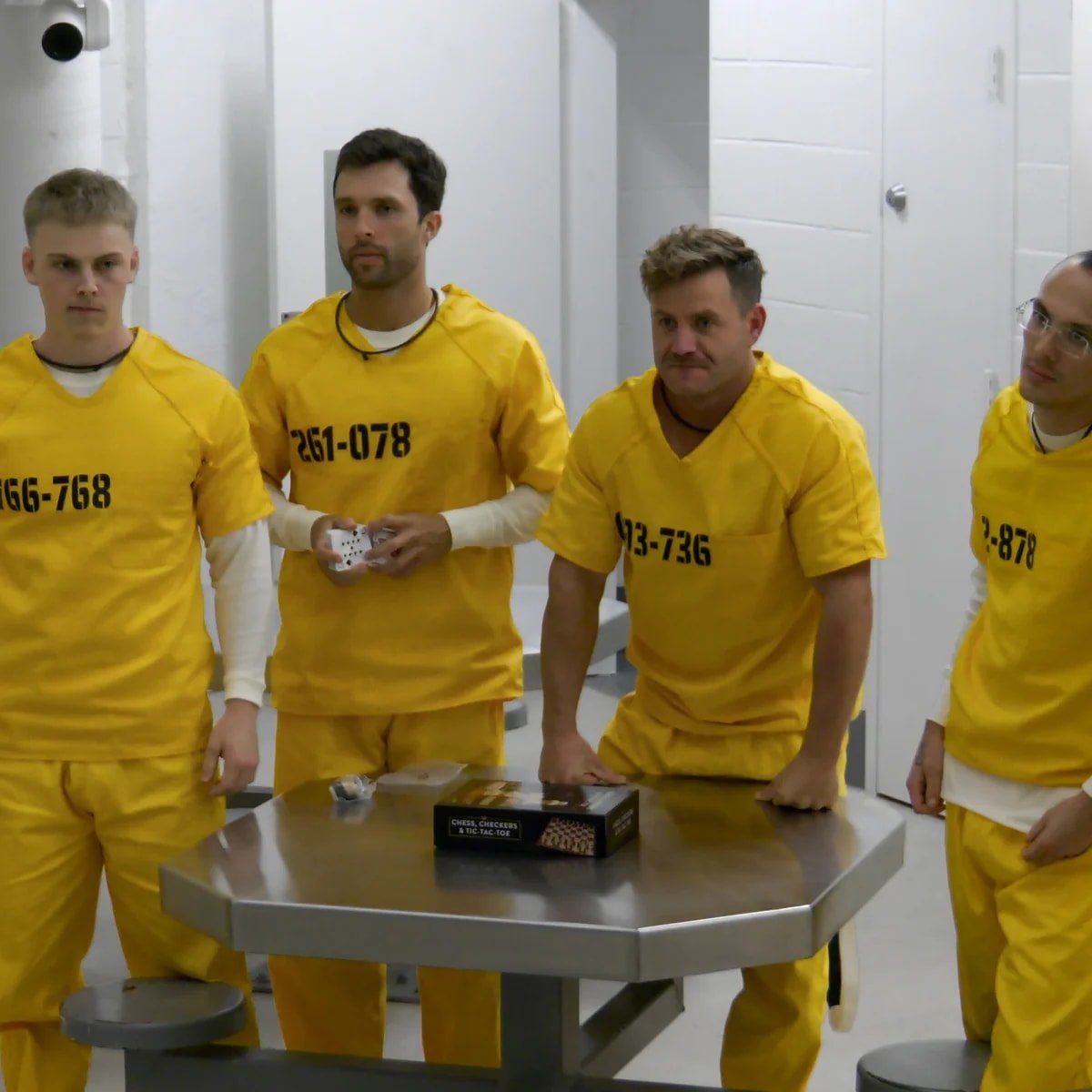
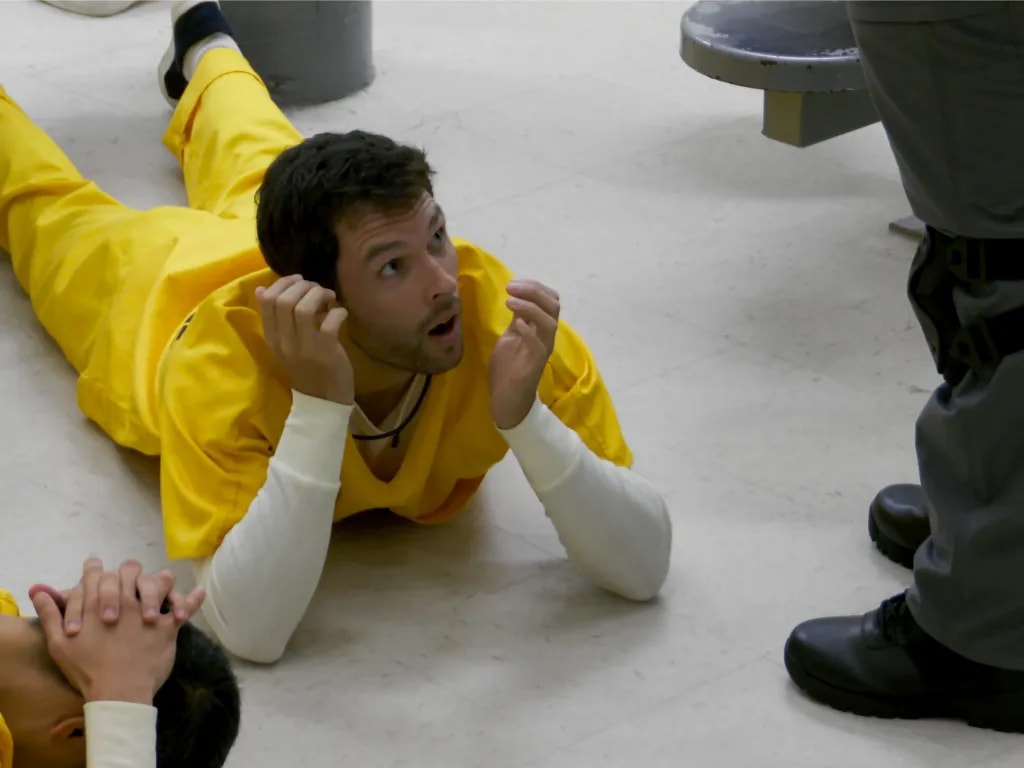
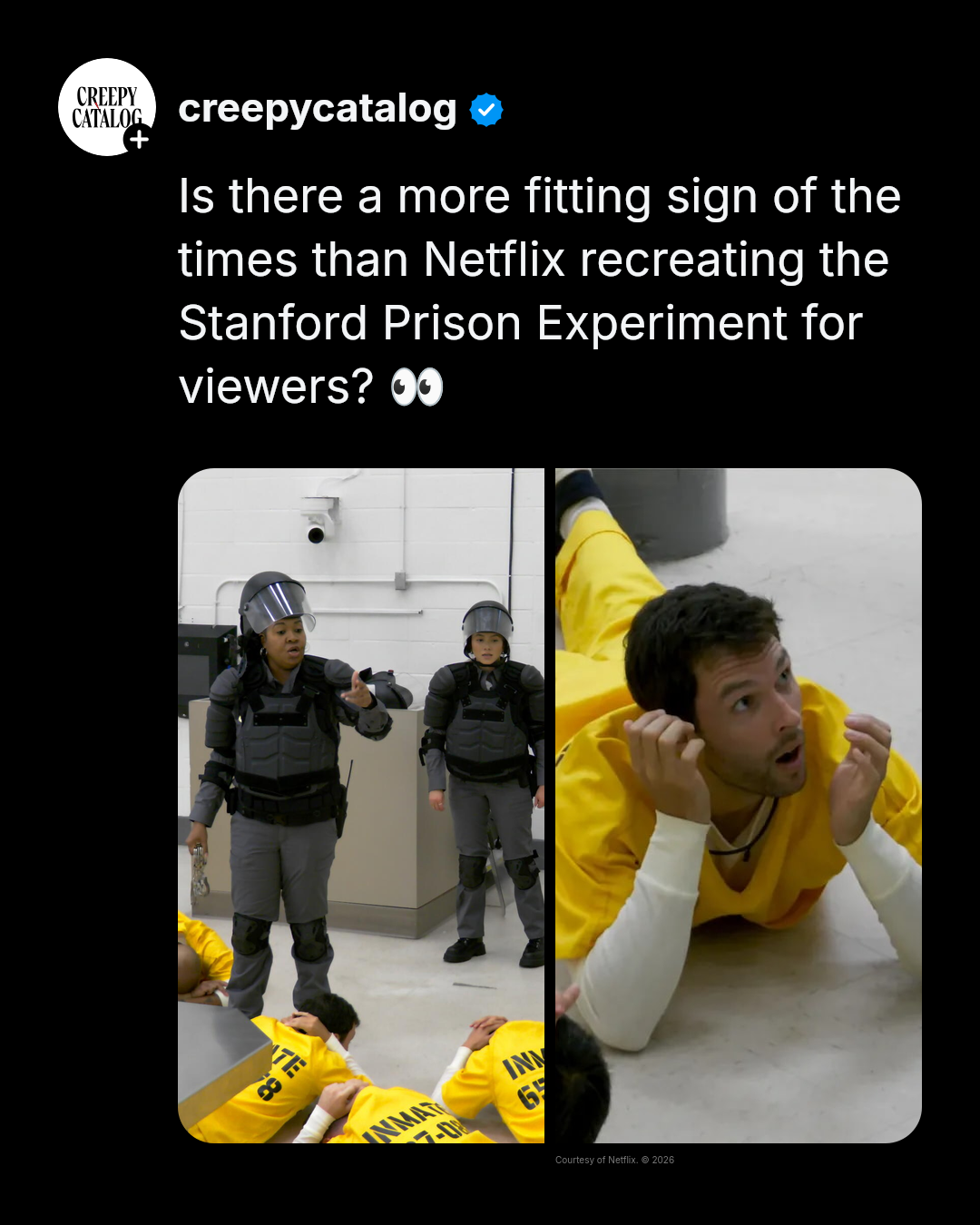
Netflix has now reimagined the experiment as a 6 episode reality show. It follows 30 volunteers assigned guard or prisoner roles in a decommissioned section of a Georgia prison for up to 2 weeks. A more diverse group, expert monitoring and a safe word for leaving distinguish its setup from the original study.