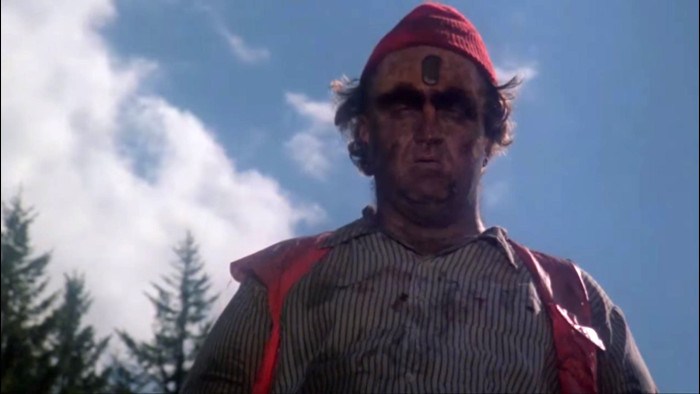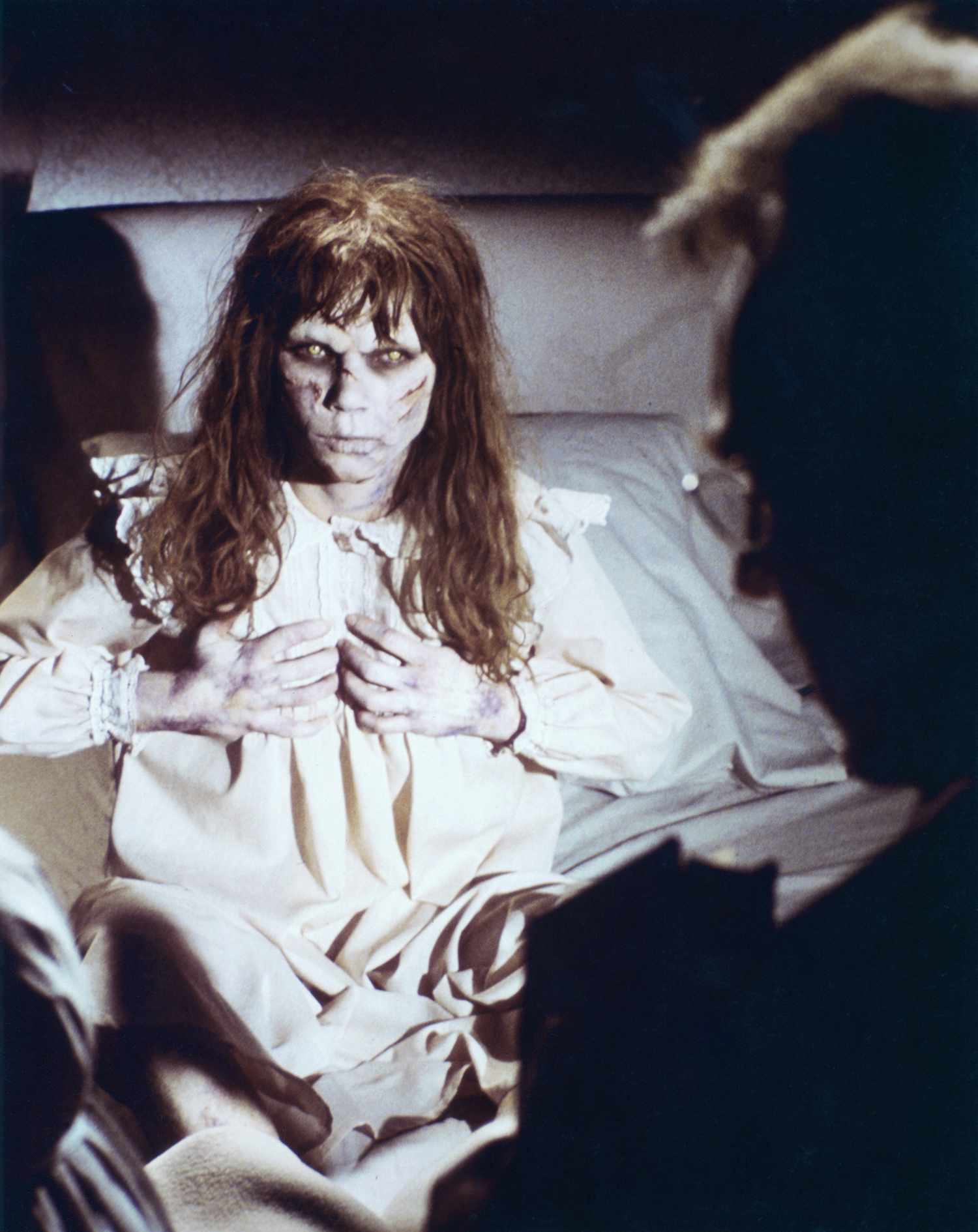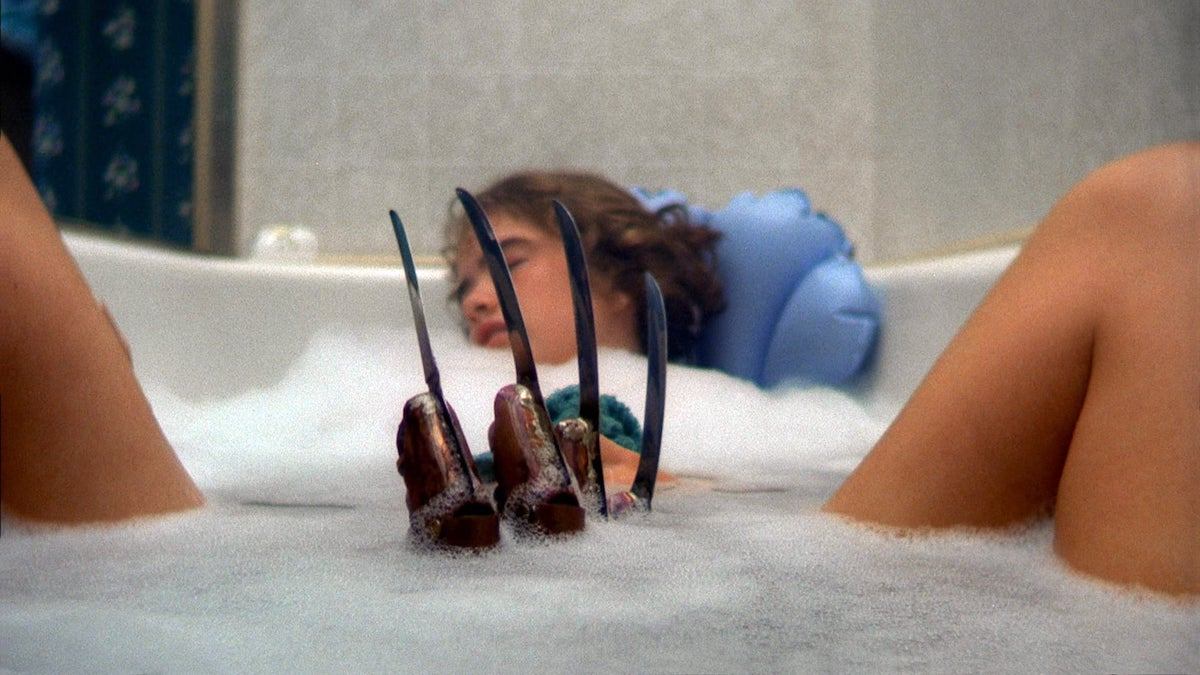
A Nightmare on Elm Street hit U.S. theaters on November 9, 1984, and Wes Craven drew loose inspiration for it from news accounts of Hmong refugees who died during nightmares. The film gave teenagers a killer who could reach them in their sleep.
Robert Englund’s Freddy Krueger murdered his victims in dreams, turning something they needed to survive into a way to die. Craven wrote and directed the film, and his fictional killer was taking revenge on the children of the parents who’d burned him alive.
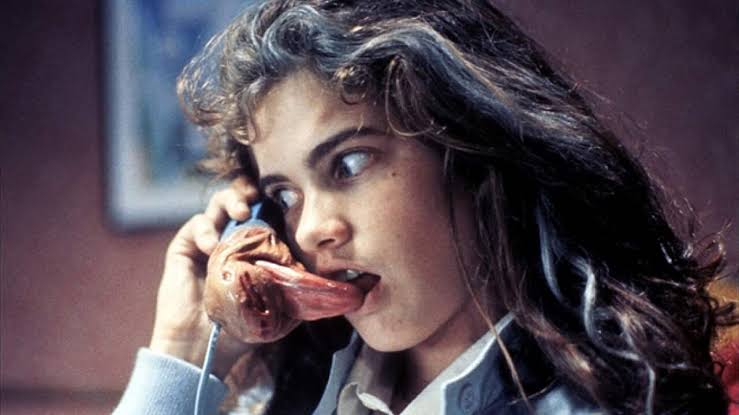
Heather Langenkamp starred as Nancy, alongside John Saxon and Ronee Blakley. Johnny Depp made his film debut in the movie, which Robert Shaye produced on an estimated $1.1 million budget in Los Angeles.
The conflict between the teenagers and their parents ran through Craven’s story. He explained that “the notion of the screenplay is that the sins of the parents are visited upon the children, but the fact that each child is not necessarily stuck with their lot is still there.” Langenkamp described her own reading: “Nightmare is a feminist movie, but I look at it more as a ‘youth power’ film.”
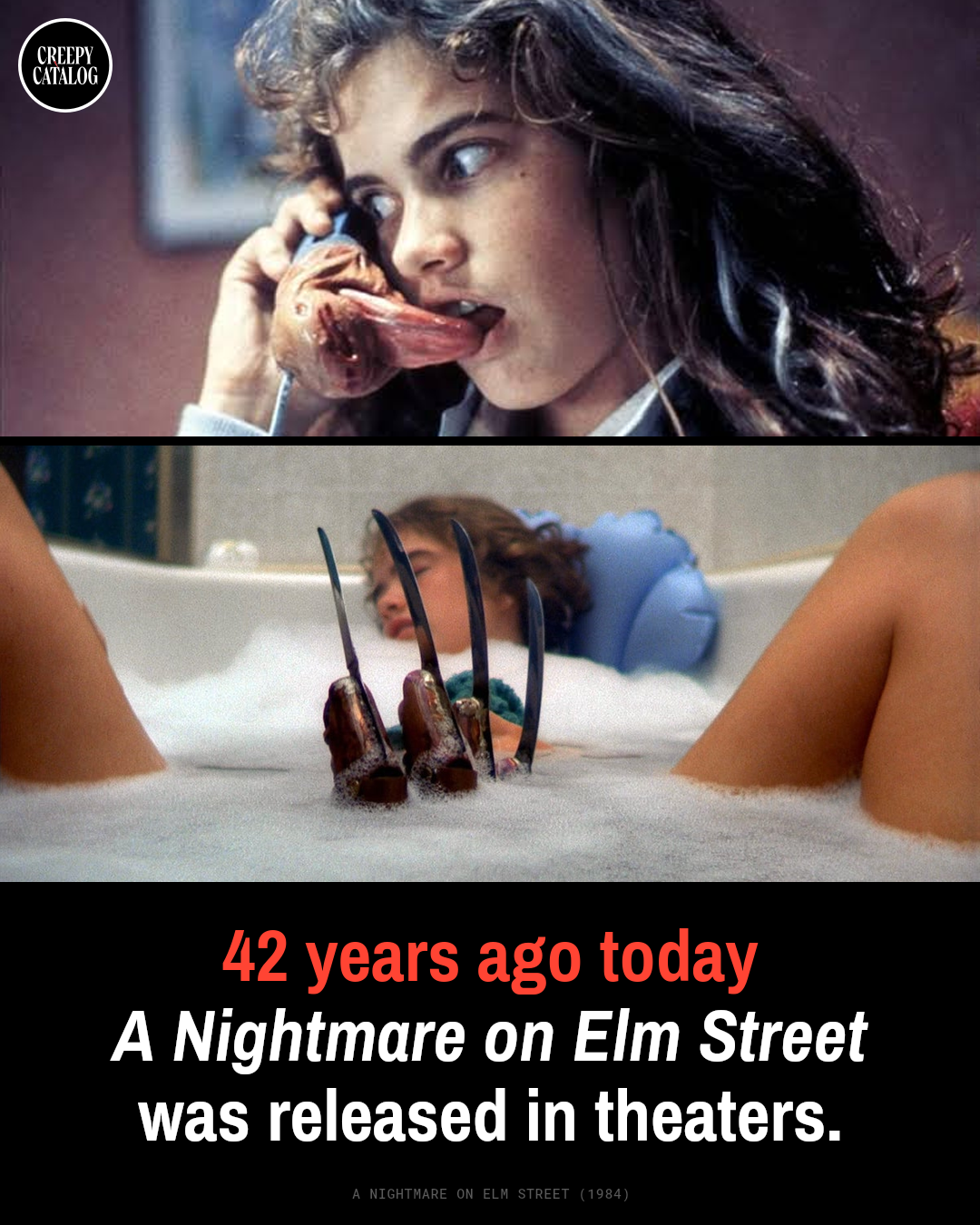
Released by New Line Cinema, the film earned $57.1 million worldwide. Its success helped the company grow from a business focused largely on distribution into a successful film studio, earning New Line the nickname “The House that Freddy Built.”
Freddy returned in A Nightmare on Elm Street 2: Freddy’s Revenge in 1985. The franchise eventually included 6 sequels, a television series, a Friday the 13th crossover and a 2010 remake.
In 2021, the Library of Congress selected the original film for preservation in the National Film Registry.