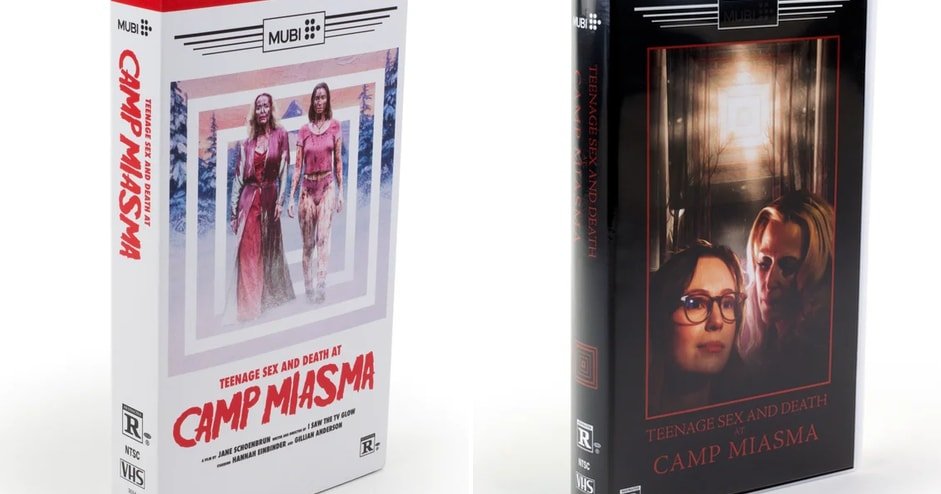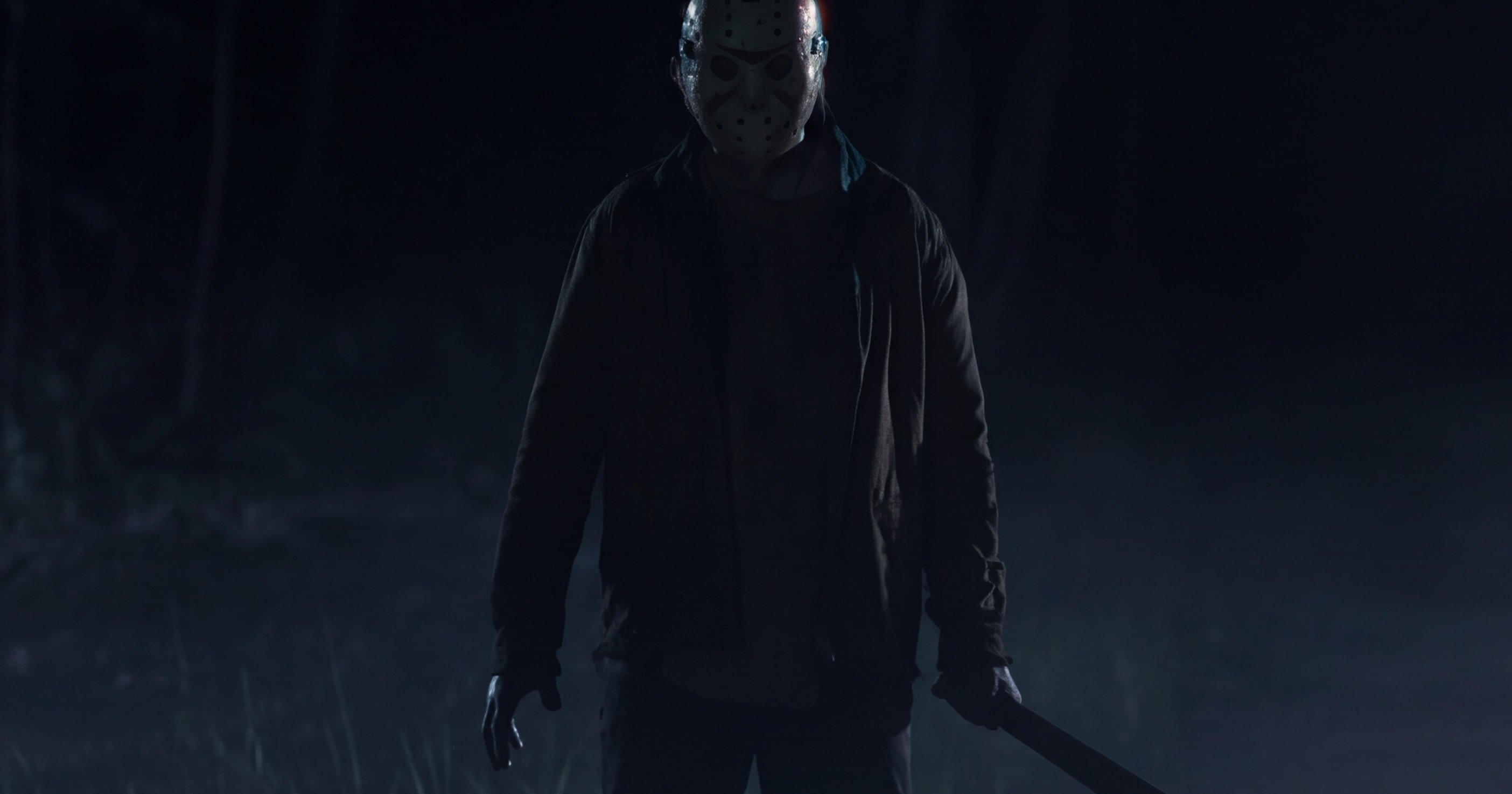
Horror movies train us to spot a terrible decision before a character makes it. Someone heads toward a noise alone or puts down a weapon while the danger’s still close, and we can see how they’re making themselves easier to reach. Those choices give the threat its opening and the audience time to dread what comes next.
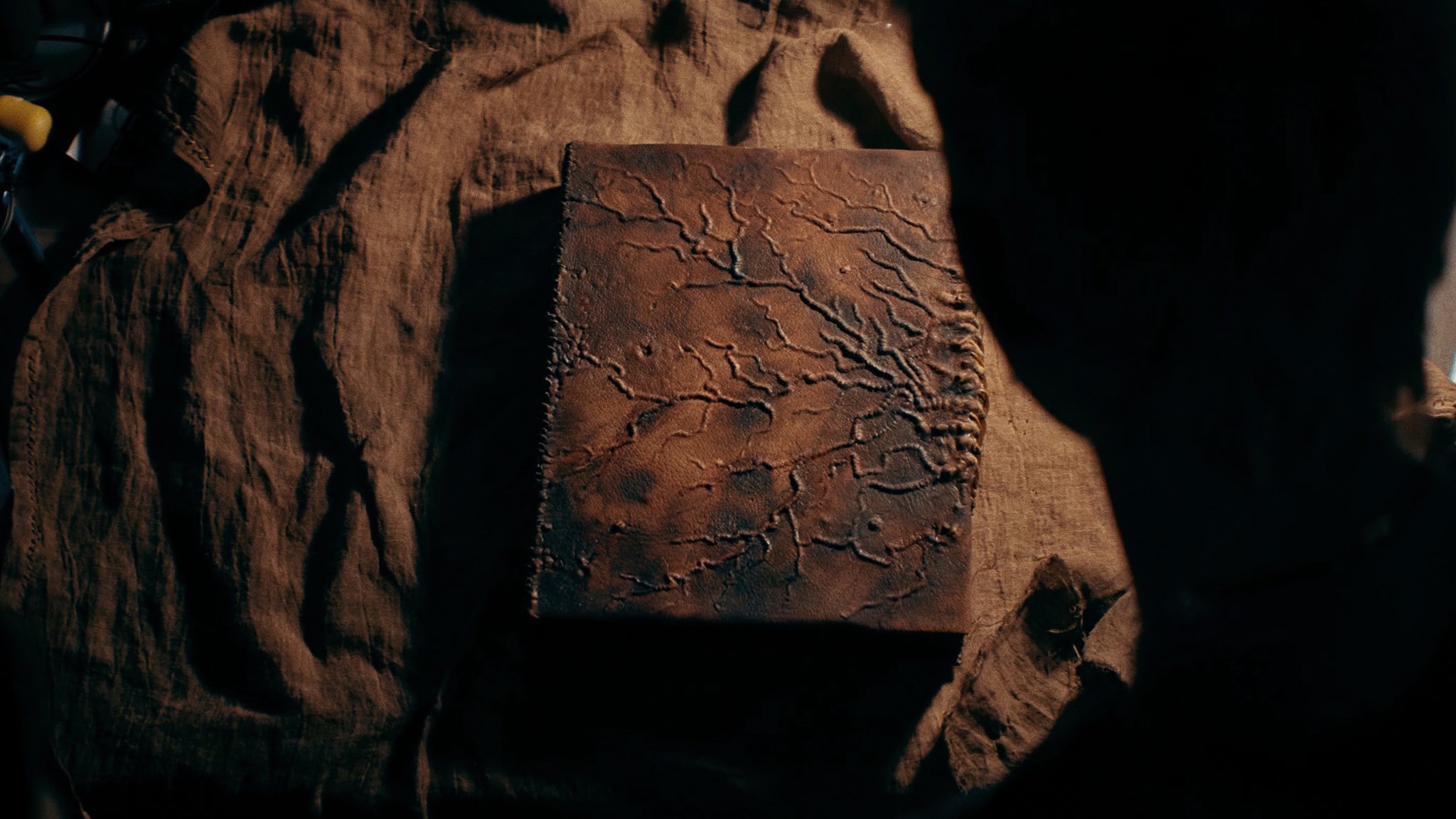
Separating a group leaves each person with less help. Sending someone into a dark basement limits what they can see.
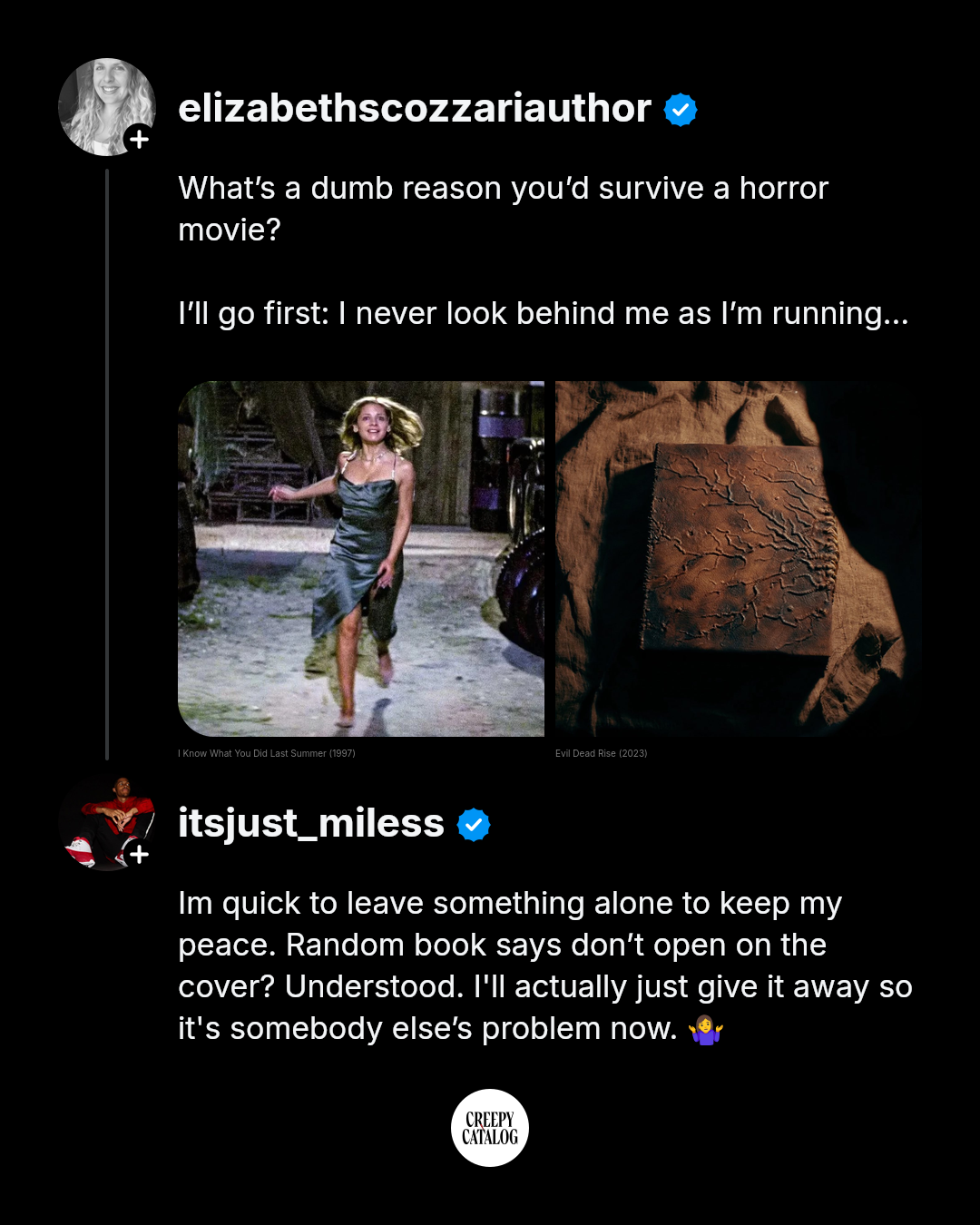
A character who dismisses the danger can delay everyone else’s response. These familiar mistakes give a story practical ways to isolate people, conceal a threat, and stretch the wait before an attack.
Some survival rules also carry the values of the films that established them. Older slashers often linked sex, drinking, and rule-breaking with death, while giving a more cautious or sexually restrained character a path to survival. The final girl became a recognizable figure: someone whose attention and resourcefulness could help her understand the danger.
After enough movies, viewers bring those expectations with them. A promise to return can sound ominous before anything happens, and someone boasting about how easily they’d survive can become a joke at their own expense.
Later horror films play with that familiarity, letting characters recognize the conventions, joke about them, or face threats that overturn the rules they thought they knew.