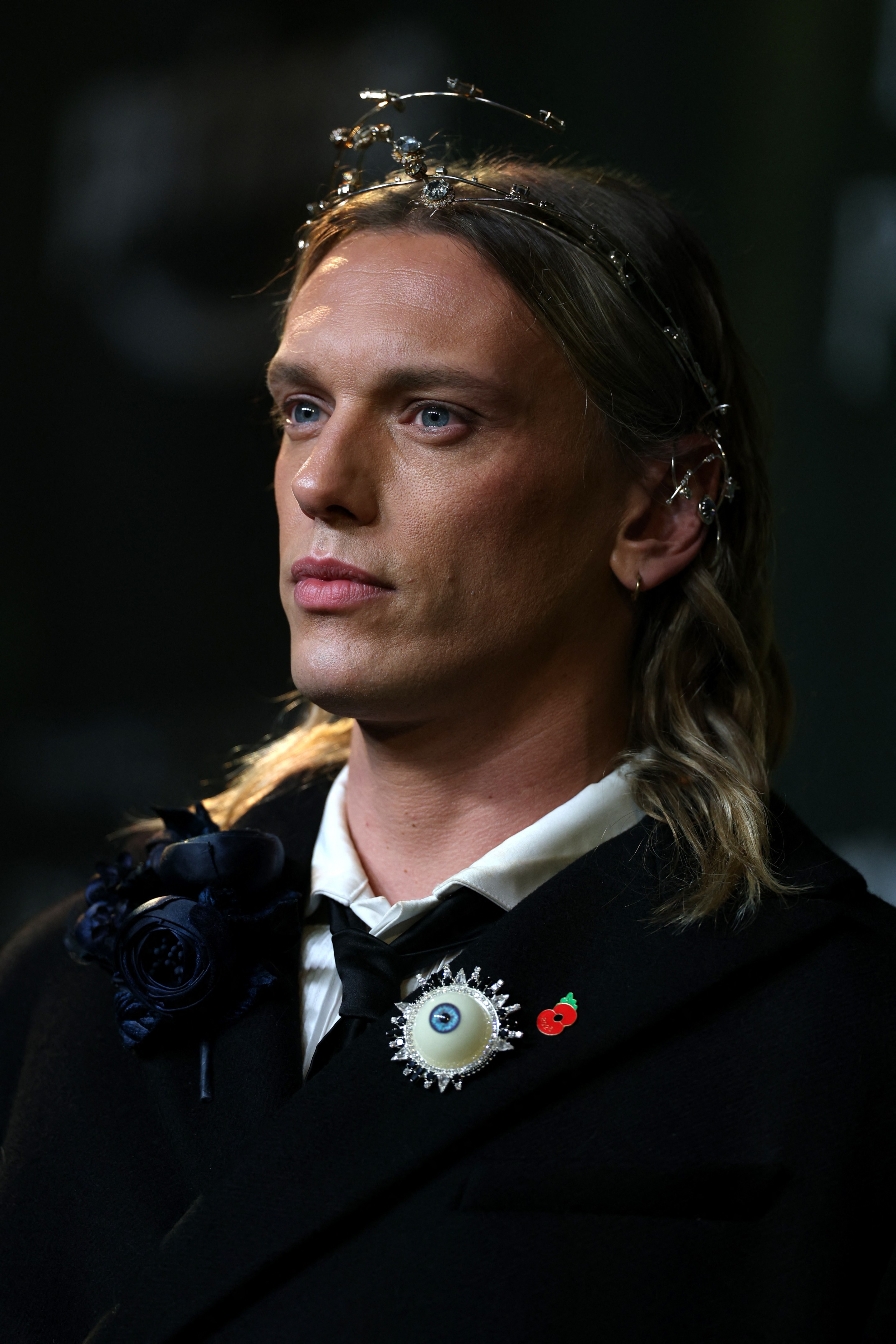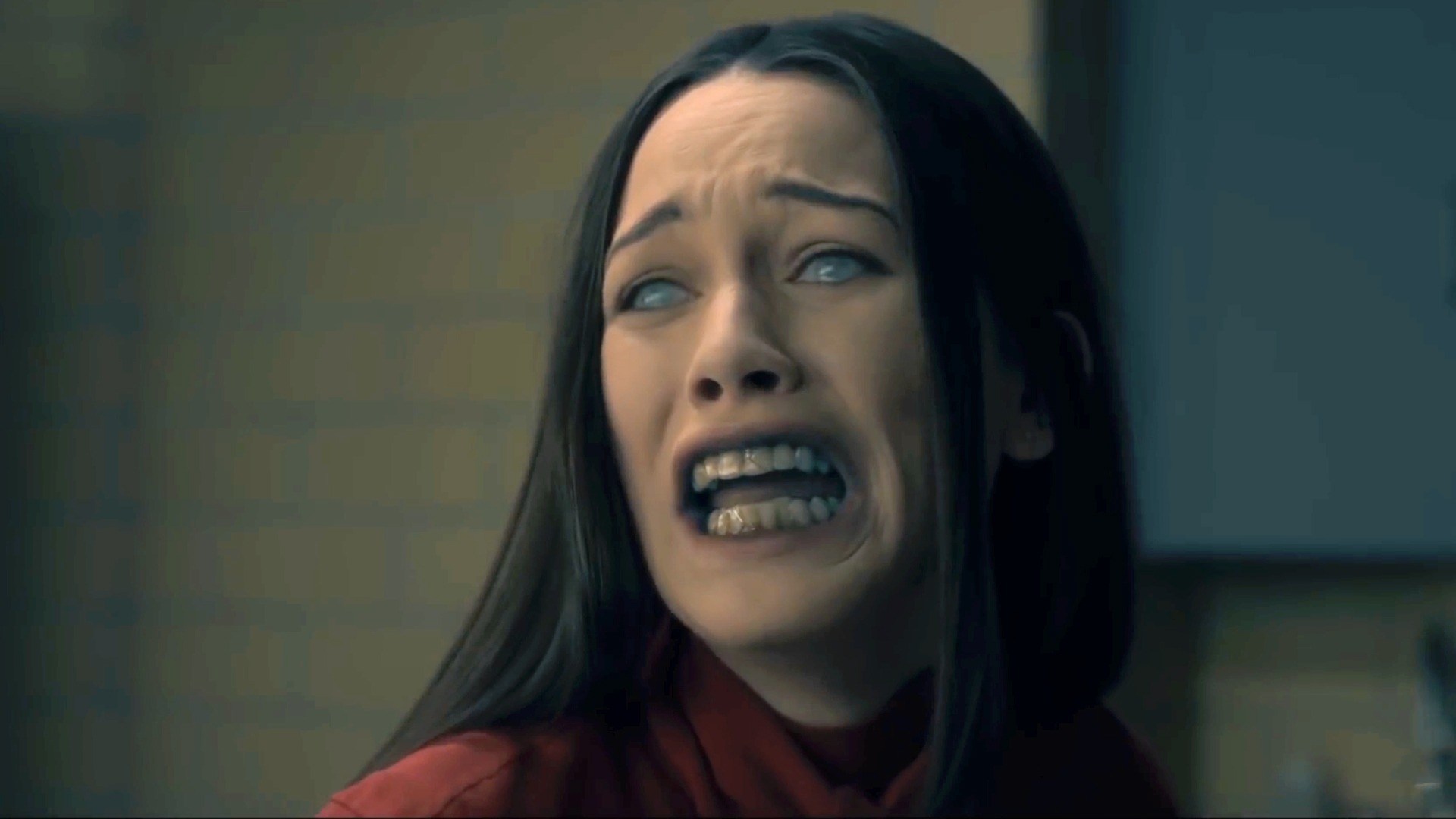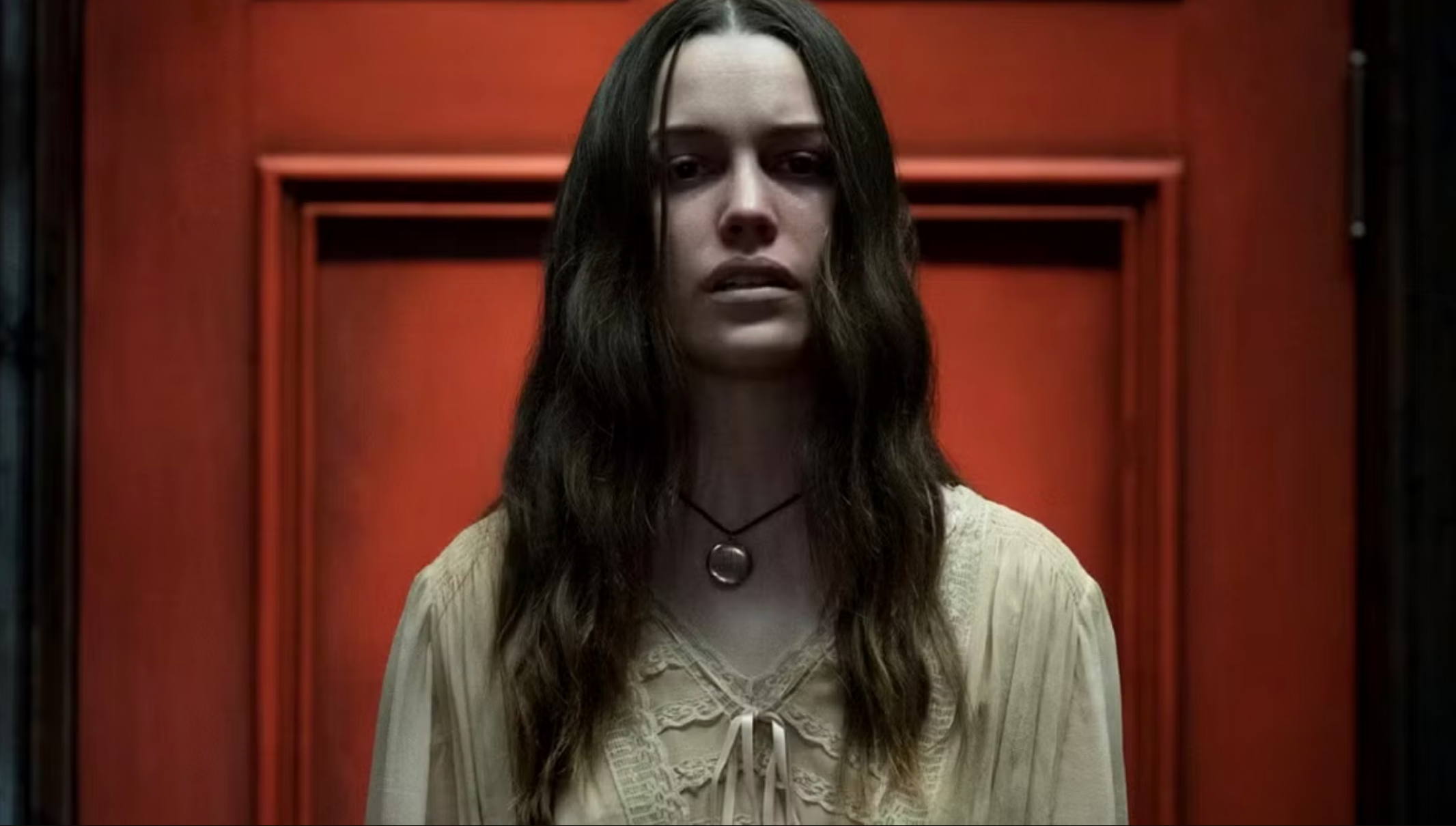
Mike Flanagan’s Netflix version of The Haunting of Hill House gives viewers a reason to favor it over Shirley Jackson’s novel: an extended family story that makes grief and the possibility of healing central to the horror.
The series follows the Crain family across 2 timelines, connecting their childhood in the house with the losses and struggles they carry into adulthood. Addiction, mental illness, and fractured relationships give the hauntings consequences beyond a frightening encounter. For viewers drawn to that kind of character drama, spending so much time with the family is part of the appeal.
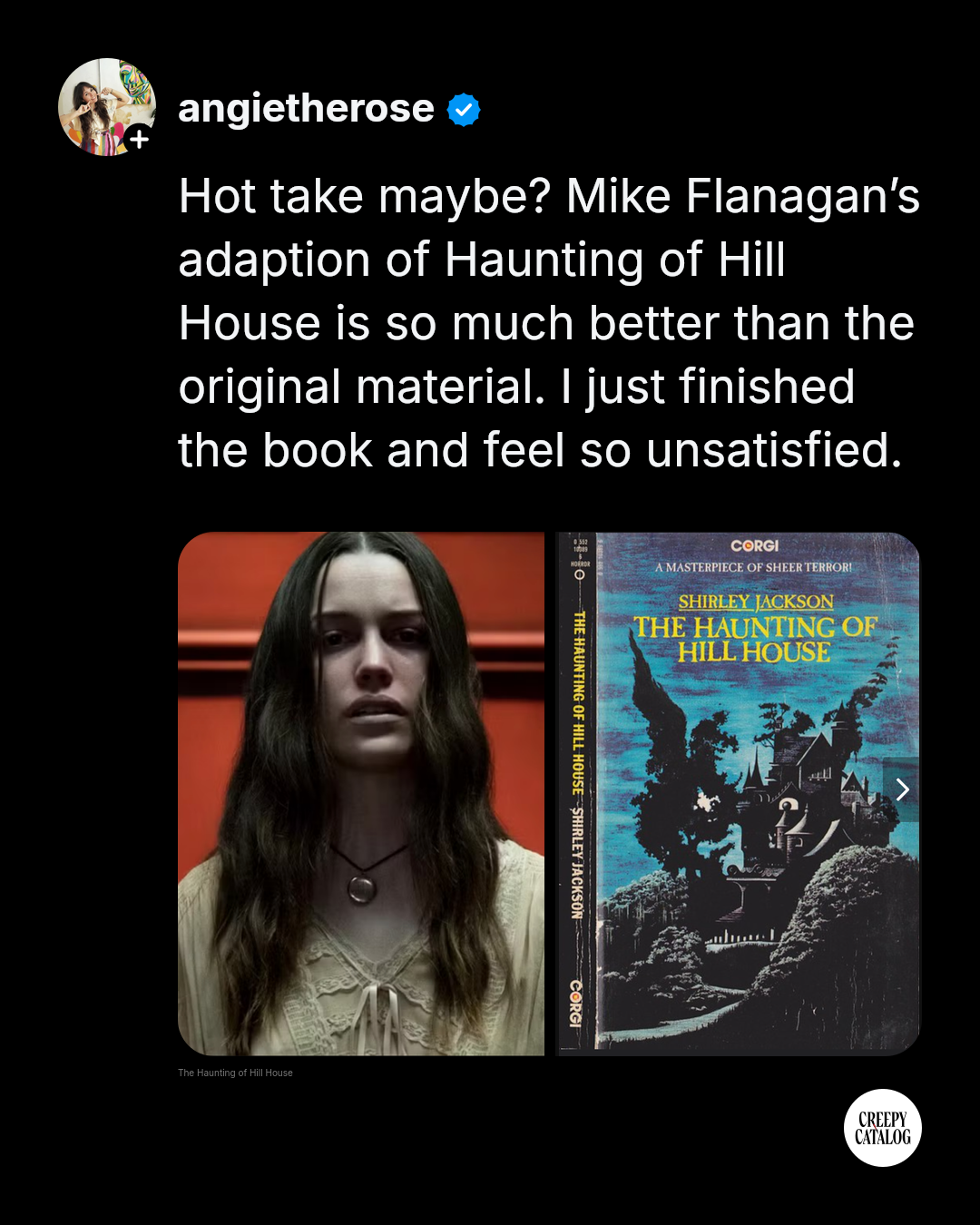
Its scares also become pieces of a larger story. The Bent-Neck Lady and the Red Room connect the house’s mysteries to the Crains’ lives, while episodes such as “Two Storms” bring the family’s grief into focus. The series gives viewers answers and leaves room for its surviving characters to heal.
Jackson’s 1959 novel concentrates on Eleanor, whose isolation and increasingly uncertain perceptions make it difficult to separate the house’s influence from her own unraveling. Its ambiguity keeps the reader questioning what’s happening, and its ending offers little comfort. Readers who favor the novel often prize that uncertainty, along with Jackson’s prose and tightly controlled atmosphere.
The comparison comes down partly to what each audience wants from a haunting: sustained psychological unease, a family’s emotional history, or the satisfaction of seeing a mystery resolved. Flanagan substantially changes the story, retaining the house, familiar names, and elements of Jackson’s writing while building a different narrative around the Crain family.