Watch Elizabeth Holmes’s head closely, and you’ll notice something that licensed psychotherapist Elliott Connie couldn’t stop thinking about after his second viewing of You Can See Everything.
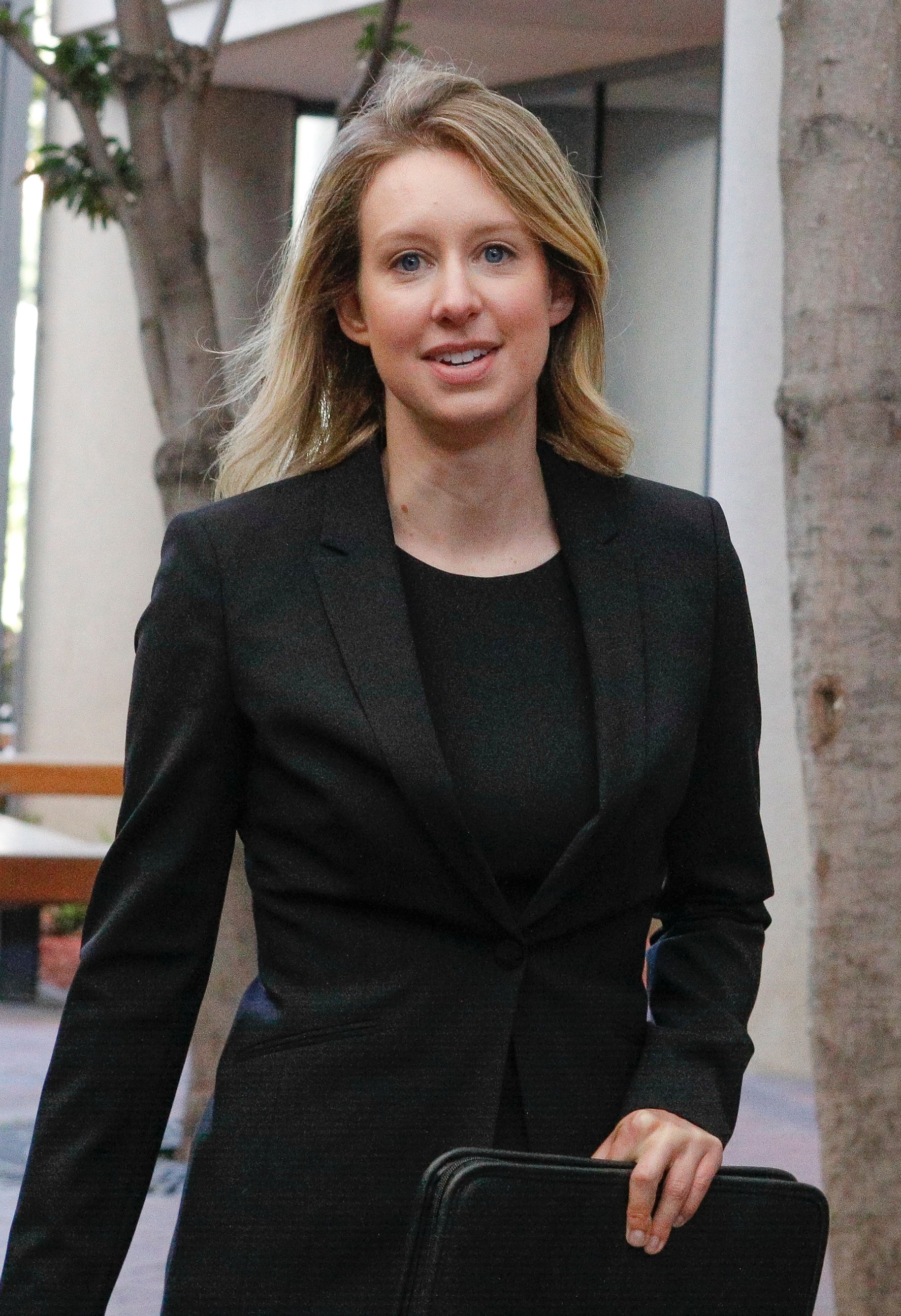
The A24 documentary, directed by Nathan Fielder and Lance Oppenheim, puts Fielder on camera questioning Holmes during her final weeks before she reported to prison. What Connie zeroed in on: Holmes nods while she herself is talking. It’s the kind of nod you’d normally give a speaker to show agreement, but she’s deploying it on her own words, then holding the nod while Fielder quietly absorbs what she’s said.
To Connie, it’s a conversation-control move, a way to cue the other person toward whatever conclusion she wants them to reach. He connects it to a head tilt she uses alongside the nodding, which he says makes her appear softer, more innocent, less like someone speaking from a position of authority.
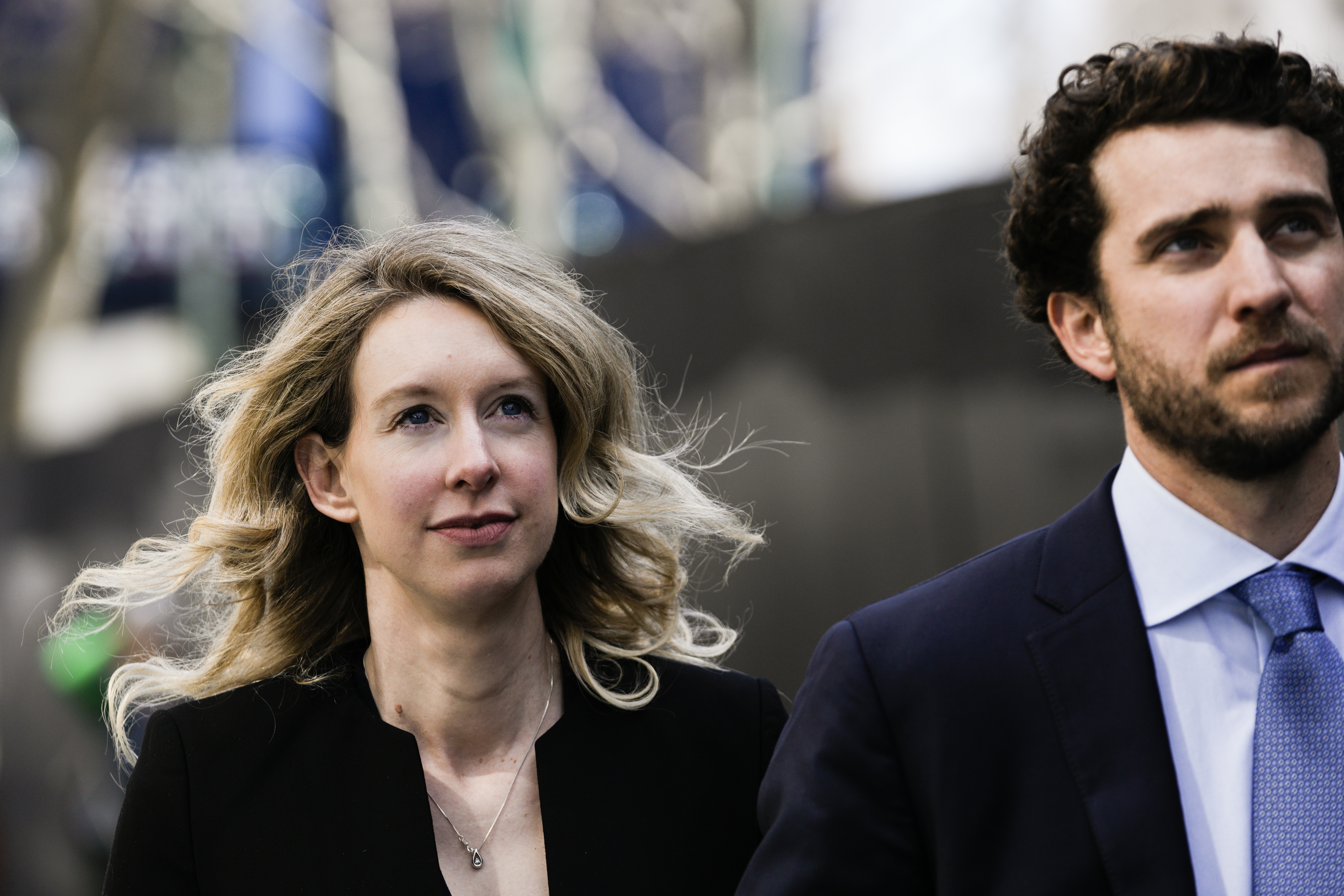
Drop the persuasion attempt, and the gestures disappear. When she’s doing something mundane, like asking for the camera to be switched off, she stands upright and the nodding stops. Connie notes that one topic draws the behavior out more than any other: money, the subject where she insists at unusual length that she has no interest in it.
He’s not alone in flagging it. Body language analyst Susan Constantine told the New York Post back in September that Holmes’s slight nods in the film’s trailer looked like a persuasion technique, paired with a head tilt projecting vulnerability. In that trailer, Holmes tells Fielder, “Of course, I’m not deceiving you.”
Holmes has stated on screen that she was “obviously not making any money” from the project. Prosecutors once placed her Theranos stake at more than $4 billion, and the Justice Department said she lived in a $15 million mansion and traveled on a company-paid private jet while “projecting altruistic motives.”
She is now serving a sentence of 10 years and 3 months following her fraud conviction.