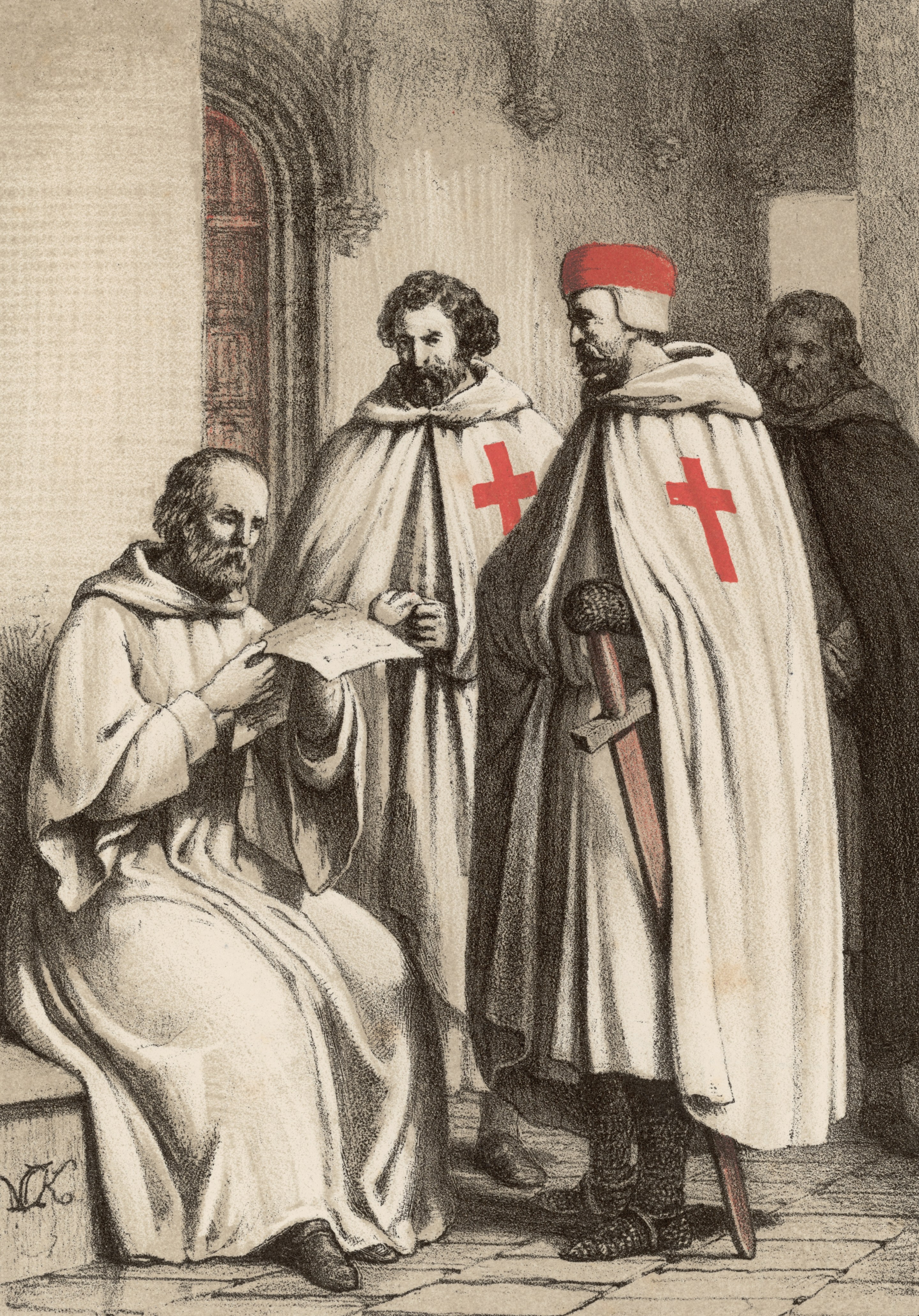
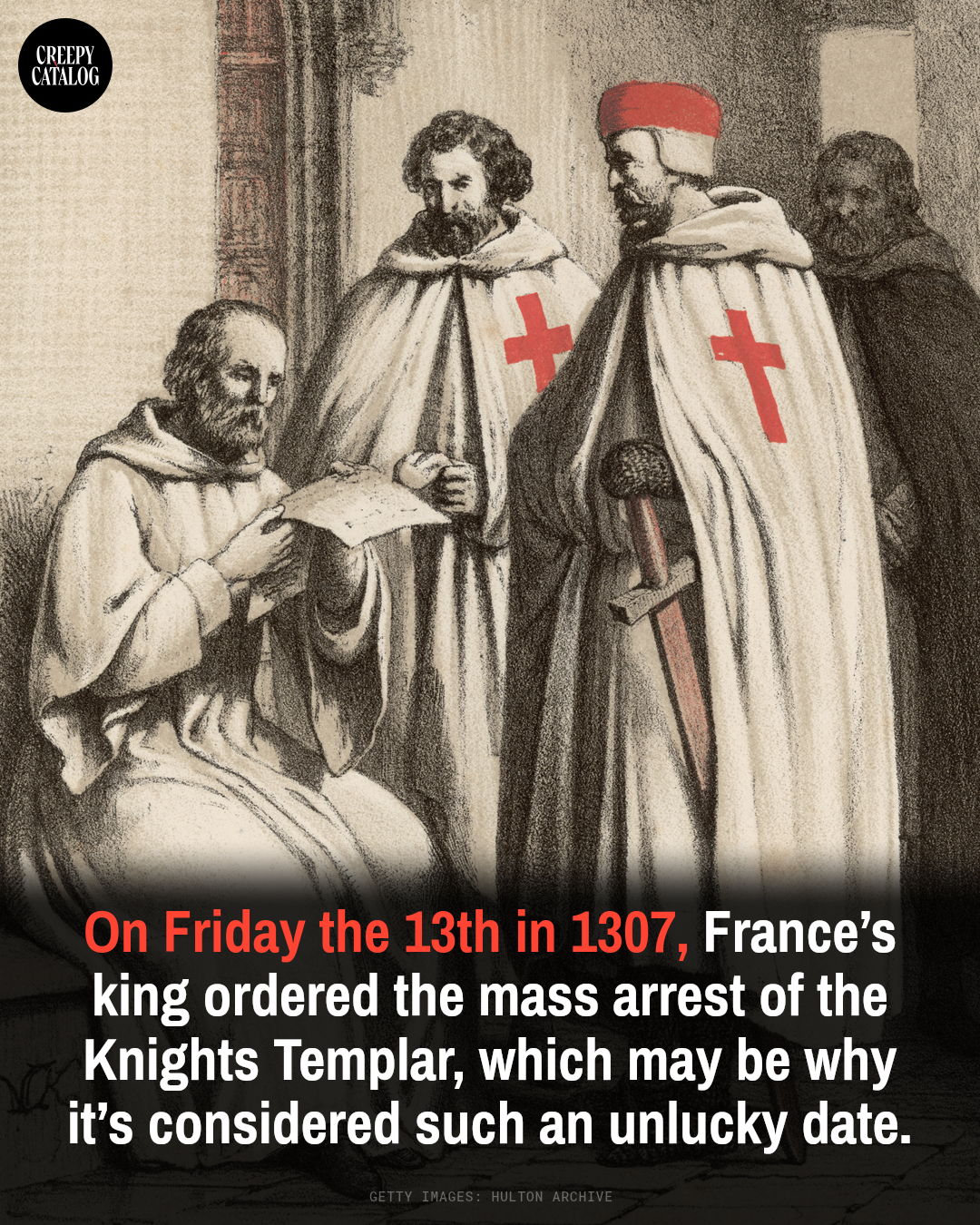
At dawn on October 13, 1307, royal officials across France moved against the Knights Templar with orders they’d received in secret about a month earlier. King Philip IV’s operation swept up hundreds of members of the Catholic military order, including its leader, Jacques de Molay.
Estimates range from roughly 600 to 2,000 people arrested, depending on whether the count includes only knights or also other members and servants. Few escaped the coordinated raids.
The Templars had formed around 1119 to defend pilgrims traveling in the Holy Land. Over nearly 2 centuries, they’d accumulated European estates and built an extensive banking network. The fall of the Crusader states had left them with a diminished military purpose and considerable wealth.
Philip owed the order substantial sums and was chronically short of money. He’d already targeted Jewish lenders and Italian bankers for their assets. The arrests put the Templars’ resources within his reach.
The official accusations included heresy, denying Christ, spitting on the cross, sexual acts between men, and worshipping an alleged idol associated with the name Baphomet. Most historians consider the charges invented or greatly exaggerated to justify taking the order’s assets.
Many prisoners confessed under torture or threats of torture. Dozens died during interrogation.
Pope Clement V initially objected to Philip acting on his own. Under heavy French royal influence, he eventually directed other Christian rulers to arrest Templars and authorized a wider investigation.
He dissolved the order in 1312. Much of its property went to other institutions, particularly the Hospitallers, while Philip’s government controlled or profited from a substantial portion of its French holdings.
In 1314, after years in custody, de Molay was brought before the public to confirm his confession and receive a life sentence. He withdrew the confession instead and declared the order innocent. Paris was where he and another senior Templar were burned at the stake on March 18.
Later accounts say de Molay summoned Philip and Clement to face God within a year. Both died within months of his execution, a coincidence that became part of the Templar legend.
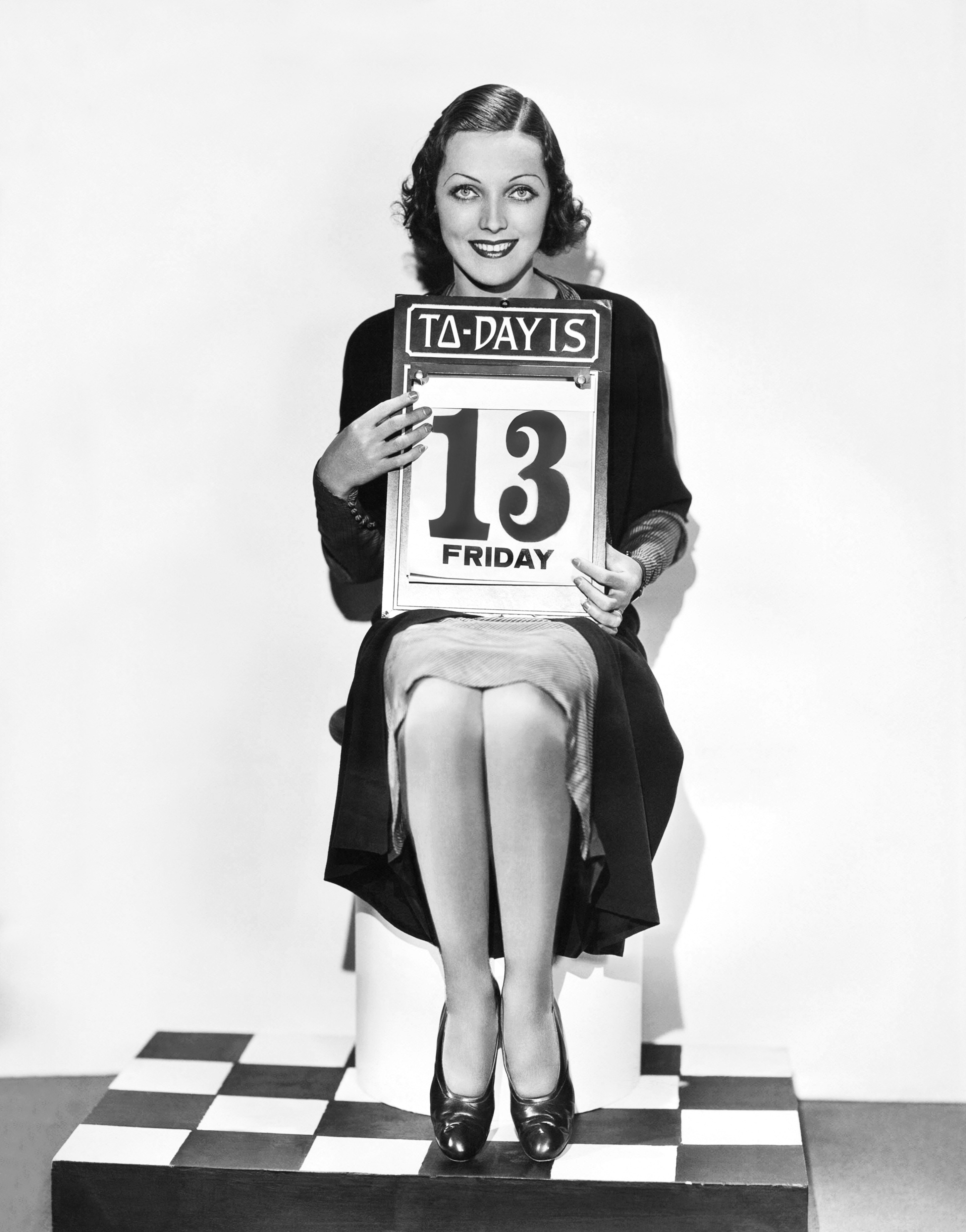
The arrests are often offered as an explanation for Friday the 13th’s unlucky reputation. That connection remains speculative: the widespread modern superstition appears to have developed much later than the raids of 1307.