A viewer’s review of Obsession calls its treatment of Nikki “extremely distasteful,” citing sexual violence, captivity and an ending they believe leaves her future destroyed. The replies raise a question about how horror handles abuse: what makes a film’s depiction exploitative versus what is just depicting horrors that exist?
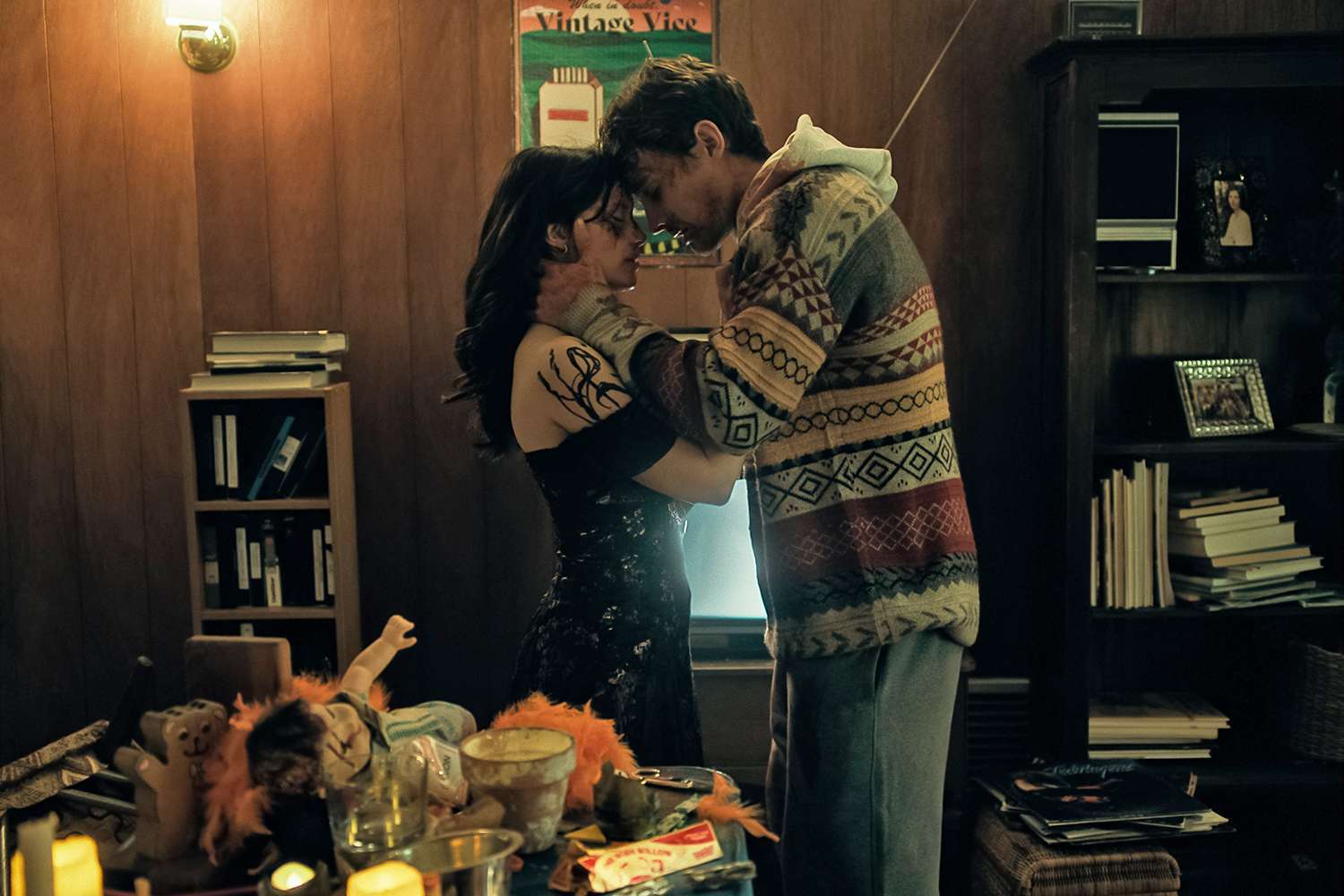
In the film, Bear uses an occult “One Wish Willow” to wish that Nikki will love him more than anyone. His wish effectively takes away her free will.

The story follows his perspective, leaving viewers to witness Nikki’s suffering through the eyes of the man responsible.
The reviewer, who says they watched the film twice, describes Nikki as an innocent woman subjected to repeated date rape and confinement. They call Bear an “incel” and predict that Nikki could face a triple-homicide charge or spend her life in a mental institution. Those outcomes are the reviewer’s reading of her future.
Others argue that the film deliberately leaves viewers horrified for Nikki, and that judging its treatment of her requires examining how it presents that suffering. They read the heartbreaking ending as an expression of her predicament: even her desperate attempt to get help goes unrecognized by the people around her.
Bear’s characterization is another point of disagreement. Some viewers see him as an ordinary man who lacks the courage to undo his mistake. In that reading, the “incel” label creates a reassuring distance from a character whose familiarity makes him frightening.