Tales from the Crypt spent seven seasons on HBO delivering the kind of sharp, twist-heavy horror that the original EC Comics were famous for. While the series is remembered for its dark humor, celebrity guest stars, and ironic comeuppances, a number of its episodes lean hard into pure dread. These are the stories that trade the usual puns and punchlines for sustained unease, claustrophobic settings, and moments of body horror or psychological terror that linger long after the Crypt Keeper’s closing cackle.
What follows is a look at some of the series’ creepiest entries—episodes that use atmosphere, isolation, escalating personal conflict, and carefully staged payoffs to create genuine unease. From live broadcasts gone wrong to remote houses that refuse to let their visitors leave, these tales show Tales from the Crypt at its most unsettling.

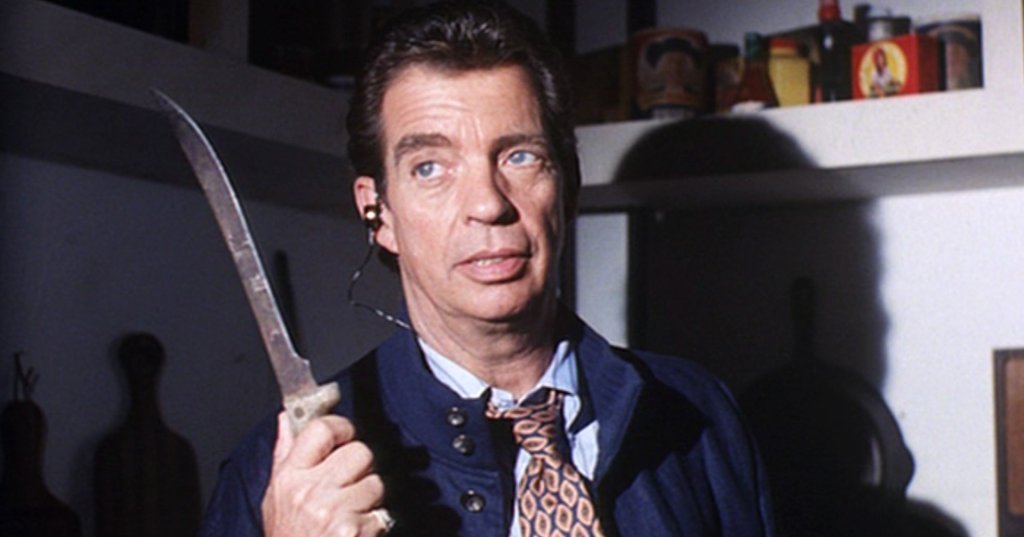
“Television Terror” (Season 2, Episode 16): A fame-hungry tabloid TV host brings his crew into an abandoned boarding house for a live broadcast, hyping the legend of its former owner who murdered elderly tenants for their checks. As the cameras roll, the house begins attacking the team with coordinated supernatural violence, trapping the host while the network demands the feed stay live for the rising ratings.
It’s creepy because the horror unfolds in real time on camera, with the crew isolated inside a space that actively hunts them. The live-broadcast framing removes any sense of safety or distance, turning the audience into helpless witnesses as the attacks escalate and the house itself becomes the aggressor.
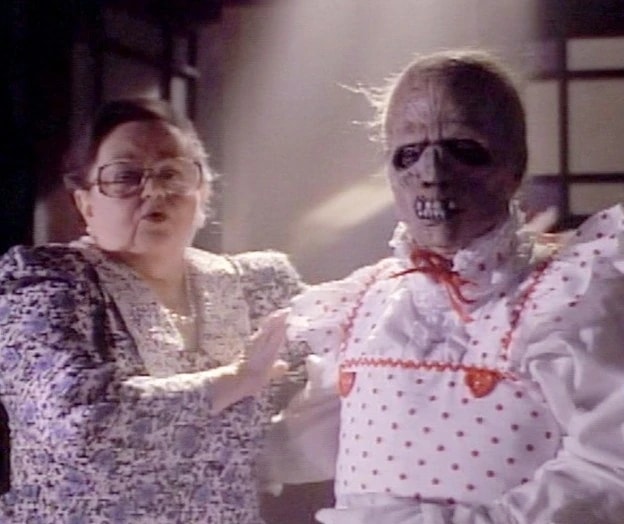
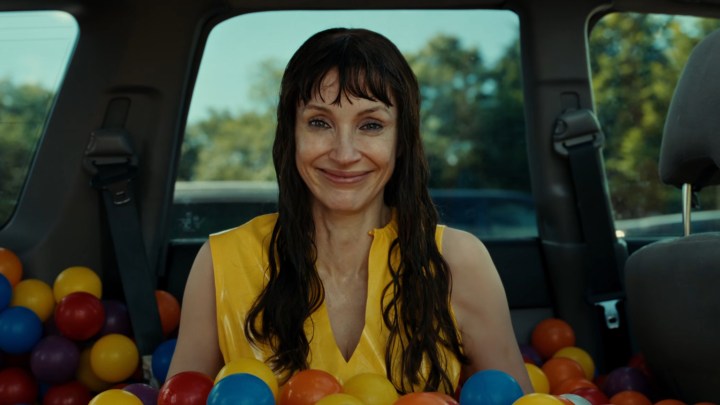
“The New Arrival” (Season 4, Episode 7): An arrogant radio child psychologist whose show is failing visits the remote, decaying home of a frequent caller to help with her “out-of-control” daughter as a publicity stunt. The house is filled with traps and signs of a disturbed child, and his team members disappear one by one until he confronts the truth about the girl and the mother’s decades-long obsession.
It’s creepy because the isolated setting and slow accumulation of wrongness create sustained unease. The masked child, the bizarre environment, and the psychologist’s growing realization that he has no control turn a simple house call into a claustrophobic trap where maternal fixation has kept something unnatural alive.
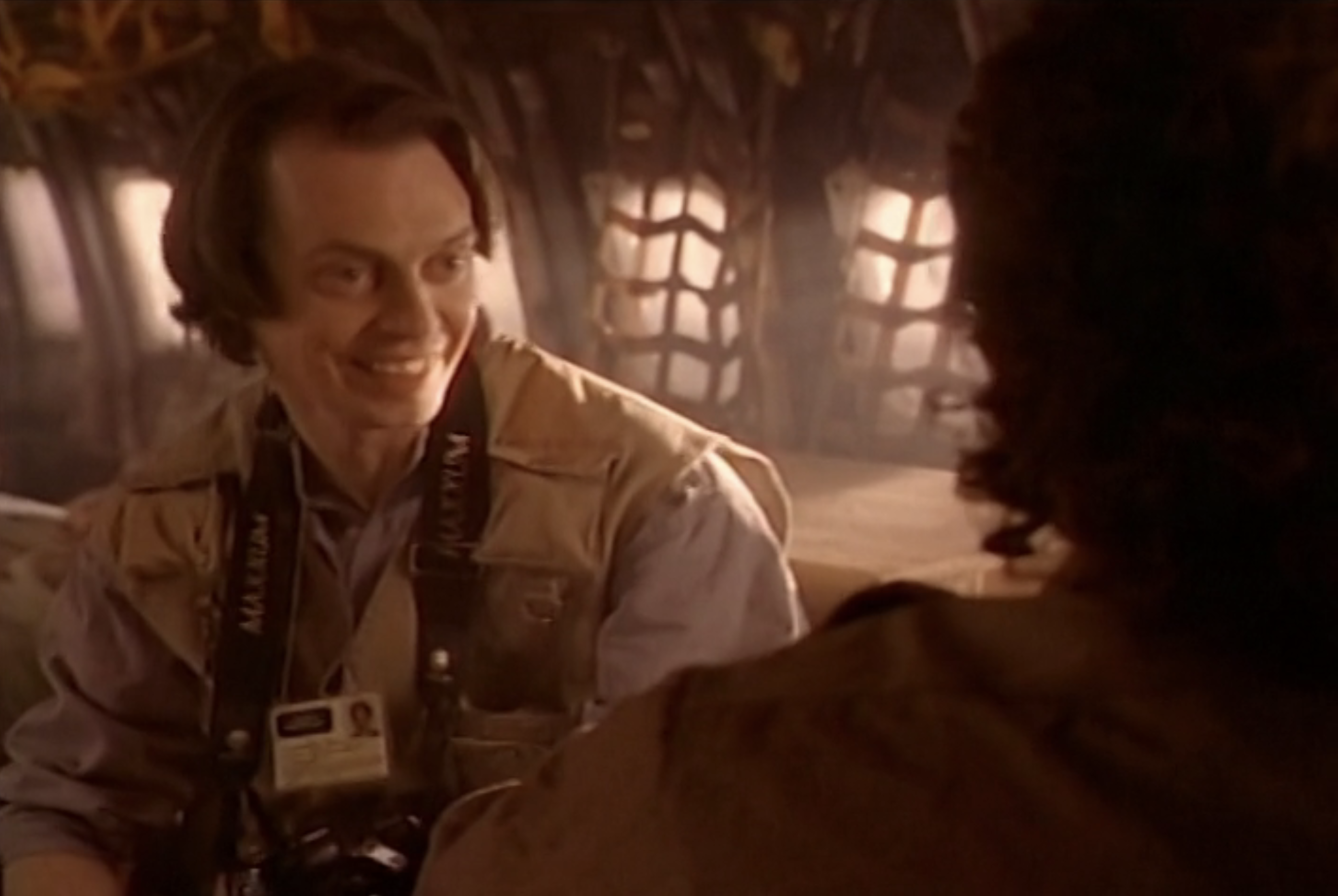
“Forever Ambergris” (Season 5, Episode 3): A washed-up combat photographer, jealous of his talented younger protégé and attracted to the younger man’s girlfriend, deliberately sends him into a village contaminated by a germ-warfare agent. After claiming the resulting photos, he returns home and becomes intimate with the girlfriend, only for both of them to contract the same flesh-rotting disease the protégé died from.
It’s creepy because the infection is intimate and progressive. The practical effects show bodies breaking down in close proximity, and the betrayal means the characters who thought they were safe realize the contagion was already shared, turning desire and ambition into a shared, irreversible decay.
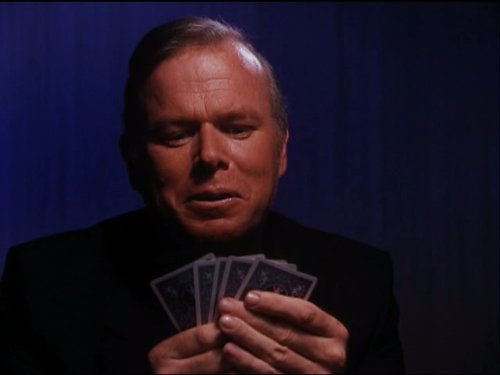
“Cutting Cards” (Season 2, Episode 3): Two longtime rival gamblers meet in a casino and escalate their hatred into a series of high-stakes games. What begins with dice and cards turns into bets involving Russian roulette and, finally, cutting off each other’s fingers as the loser of each hand, with neither man willing to back down.
It’s creepy because the confined space and mutual hostility never let up. The games force both men into increasingly brutal physical risk while their performances keep the tension raw and personal, making the violence feel like an inevitable extension of their long-standing rage rather than random shock.
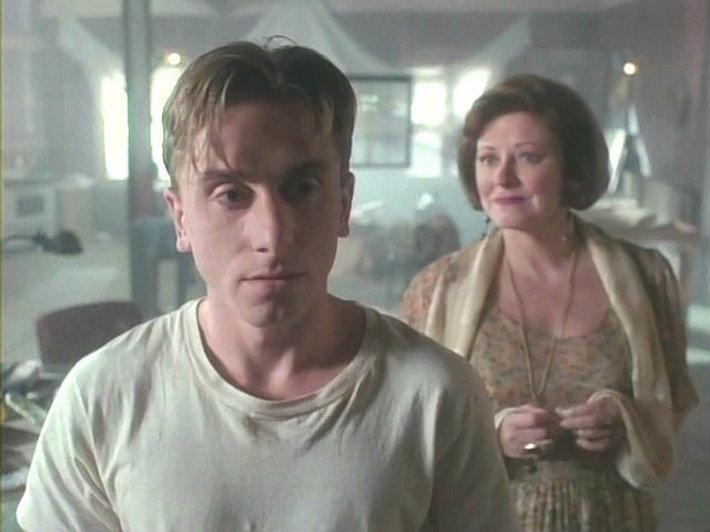
Easel Kill Ya” (Season 3, Episode 8): A struggling painter becomes entangled with a woman and a scheme that offers him a dark path toward success and recognition. As he pursues the opportunity, the situation tightens around him until a calculated act of violence and its consequences close in.
It’s creepy because the dread builds quietly around ambition and consequence. The controlled atmosphere and the sense that something inevitable is approaching give the final turn a cold, precise weight that lingers after the episode ends.
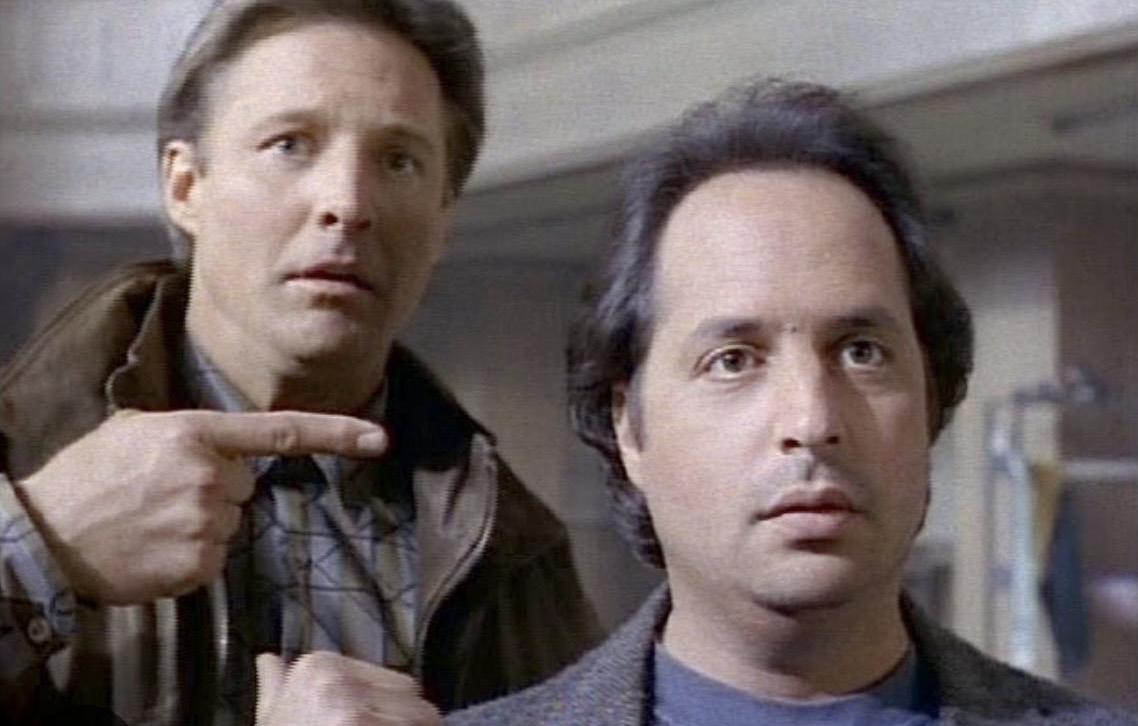
“Top Billing” (Season 3, Episode 5): A down-on-his-luck actor lands an audition for the lead in an off-Broadway production of Hamlet run by an eccentric director and cast. As he immerses himself in the opportunity, the production’s odd demands and the people around him grow more threatening, leading to a sharp and visceral climax.
It’s creepy because the theatrical setting mixes dark humor with an off-kilter menace that gradually sharpens. The eccentric characters and the production’s strange intensity create an atmosphere where the actor’s desperation keeps him inside a situation that turns increasingly dangerous.

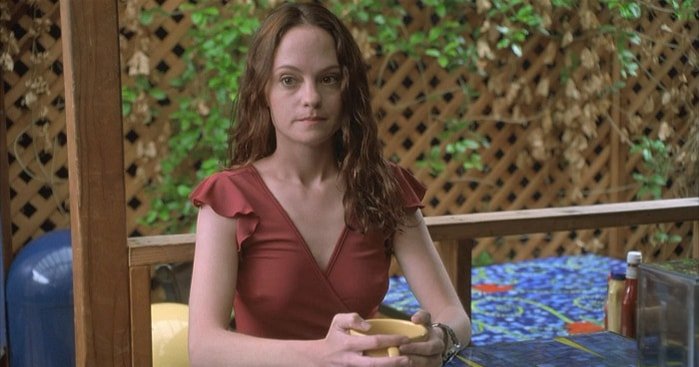
“Spilt Second” (Season 3, Episode 11): A waitress named Liz Kelly is stranded in a remote Pacific Northwest logging community and working at a local bar to earn enough money for a bus ticket out. After a brief, beer-fueled courtship, she marries Steve, the controlling owner of a logging camp who promises her financial security. Bored with the marriage, Liz seduces a handsome new lumberjack named Ted. When Steve catches them, Liz claims it was rape; Steve attacks Ted and leaves him permanently blind. The other lumberjacks then take revenge by tying both Steve and Liz inside large logs and tricking the blind Ted into sawing them apart.
It’s creepy because the isolated logging camp and the rapid shift from opportunity to entrapment leave Liz with no easy escape. The escalating jealousy, the false accusation, and the workers’ calculated revenge create a tight, mean pressure that builds toward a brutal physical payoff, with the characters’ choices locking them into a situation where violence becomes the only remaining resolution.
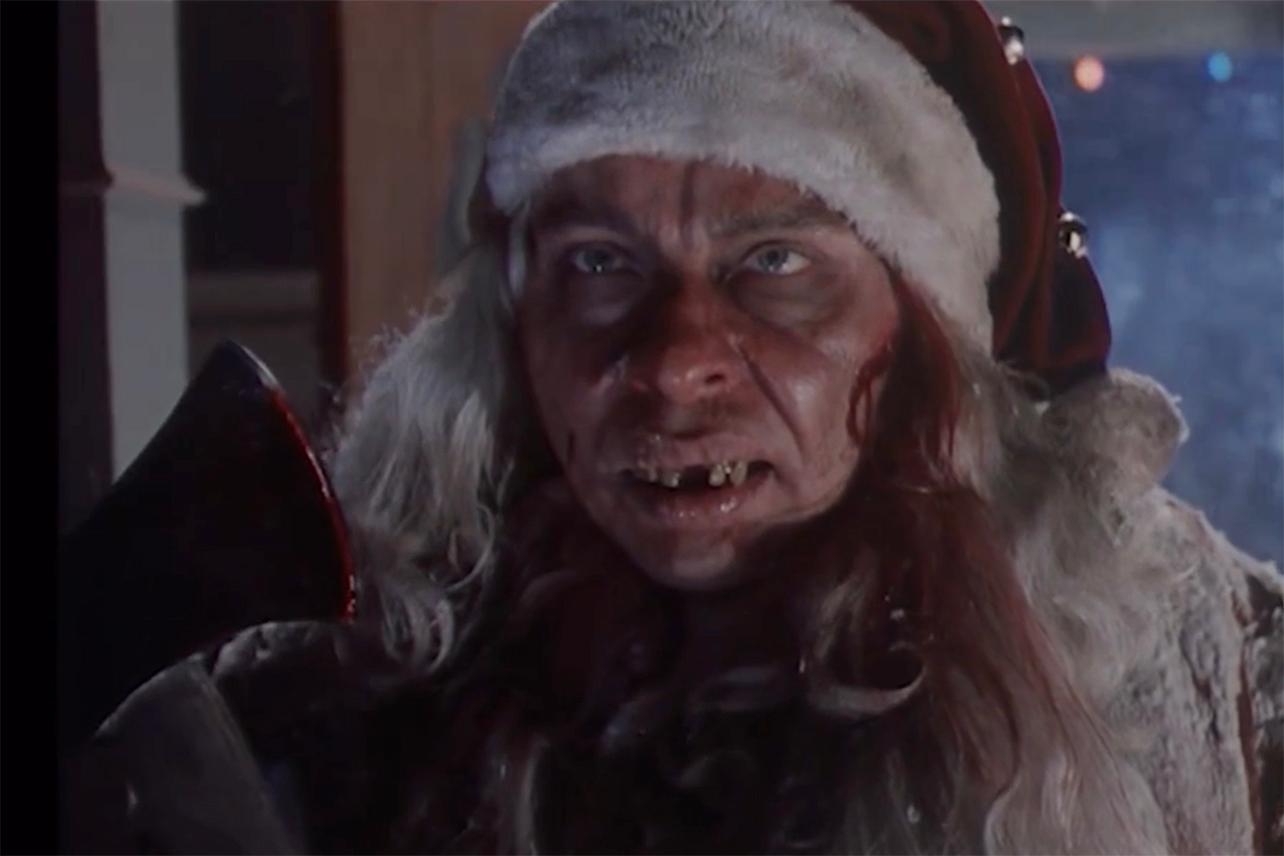
“And All Through the House” (Season 1, Episode 2): On Christmas Eve, a woman murders her husband so she can collect the insurance and leave with her lover. While trying to hide the body, she learns an escaped mental patient dressed as Santa Claus is stalking the area. Unable to call the police without exposing her own crime, she is trapped in the house as the killer closes in and her young daughter, believing he is the real Santa, lets him inside.
It’s creepy because the holiday setting and the child’s innocence are turned against the trapped woman. The silent, axe-wielding Santa outside in the snow, combined with her self-made inability to seek help, creates a layered threat that culminates when the house is no longer secure.