Wes Craven said 3 men in a small Nevada town shot an arrow past his head while he and his wife were traveling by motorcycle. When he threatened to sue, they told him they could kill him and hide his body in a nearby salt mine without anyone knowing or caring. That sense of being completely at someone else’s mercy helped shape The Hills Have Eyes.
Craven had been trying to leave horror behind after directing The Last House on the Left in 1972. His attempts to make other kinds of films hadn’t worked out, and he needed money when producer Peter Locke asked him to write another horror movie. Locke suggested a desert setting; his wife was performing in Las Vegas at the time.
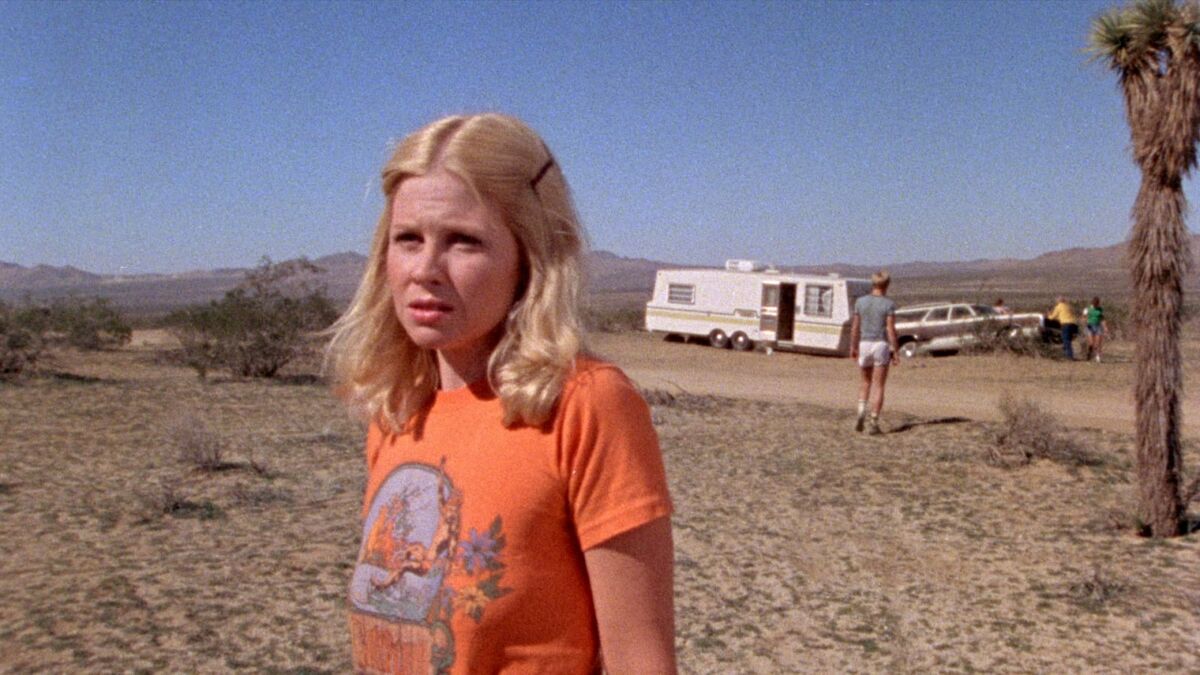
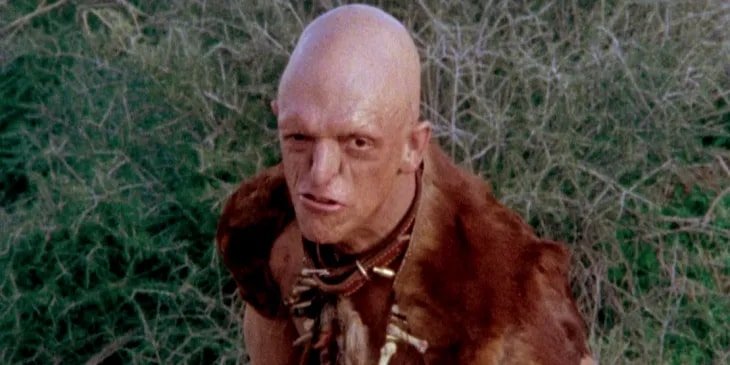
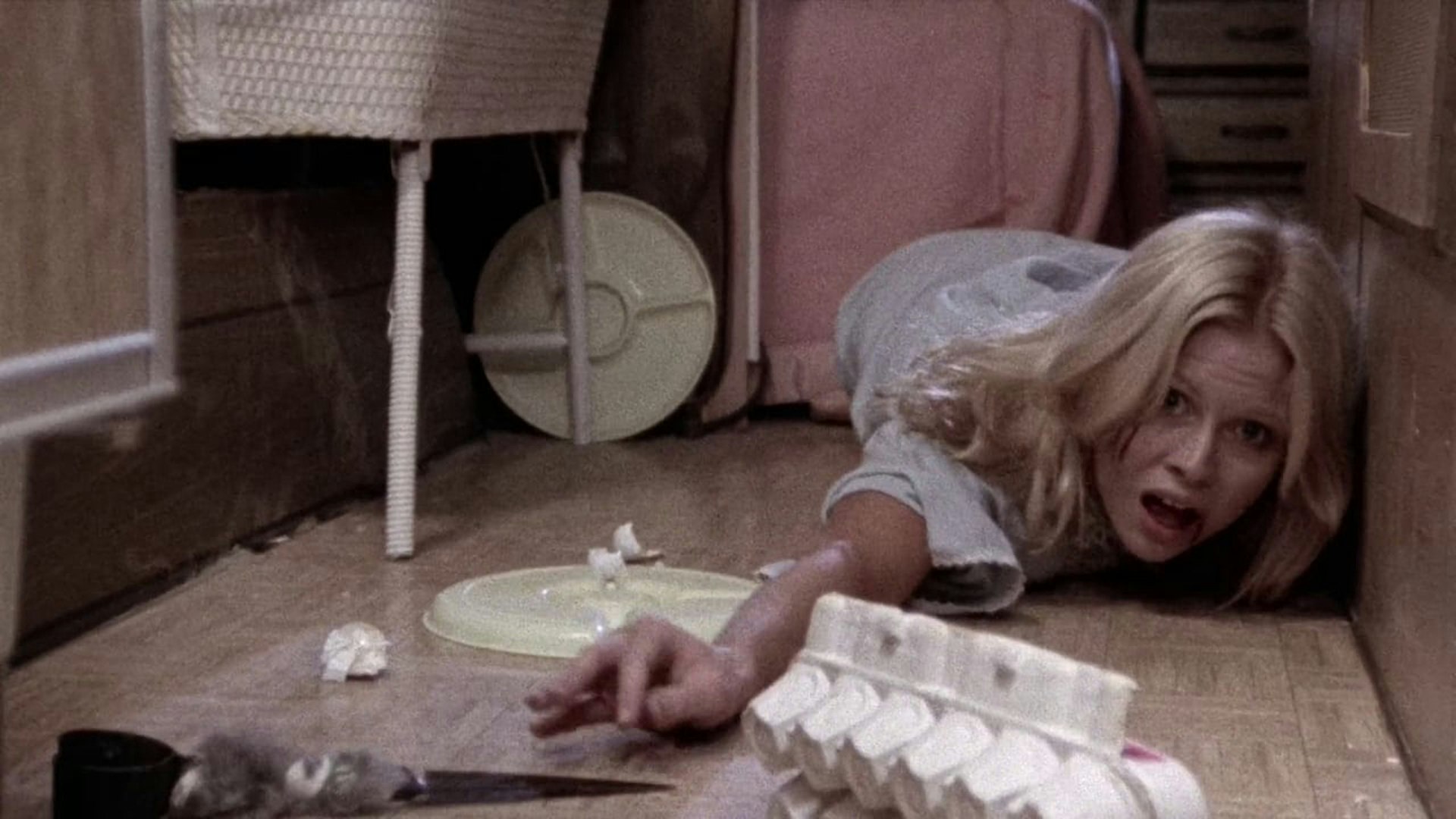
The film Craven wrote and directed, released in 1977, follows the Carter family on a trip to Los Angeles. Traveling with their children and dogs, they take a shortcut through a Nevada air testing range, where an accident leaves them stranded. A family of cannibals living in the surrounding mountains begins hunting them.
The Nevada encounter supplied part of the terror. Research at the New York Public Library gave Craven another influence: the legend of Sawney Bean, the head of a Scottish cannibal clan said to have murdered travelers in the early 1400s.
What interested Craven was the violence used to punish the clan. In the account he read, Scotland’s King James ordered their capture, torture and execution.
Craven saw the crown’s brutality as comparable to the cannibals’ own. He carried that idea into the Carters’ fight for survival, with the stranded family becoming as vicious as the people attacking them.