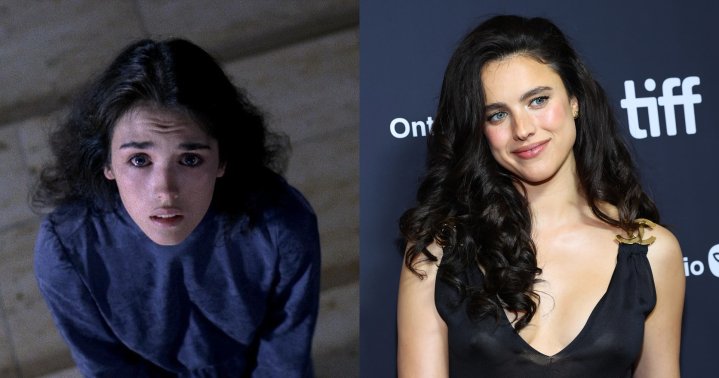
Quiet girls discover a dark desire for bloody revenge.
If Mike Flanagan’s Carrie worked on you — the sheltered girl, the mother who calls the world poison, the humiliation that does not stay in the room, the moment the power stops apologizing — these are the films in the same drawer. None of them is a remake. All of them are about a young woman the story has already decided is wrong, and what she does when she stops agreeing.
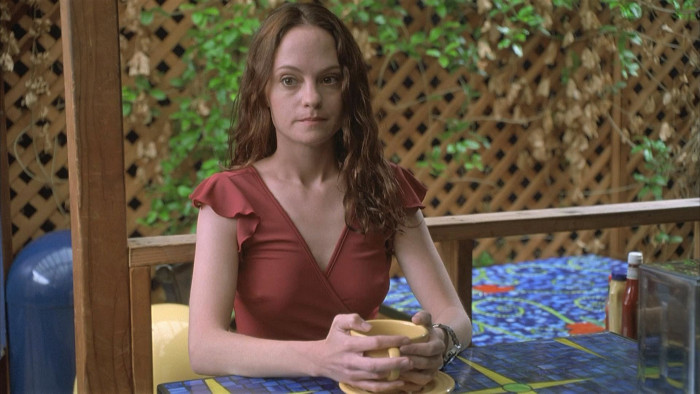
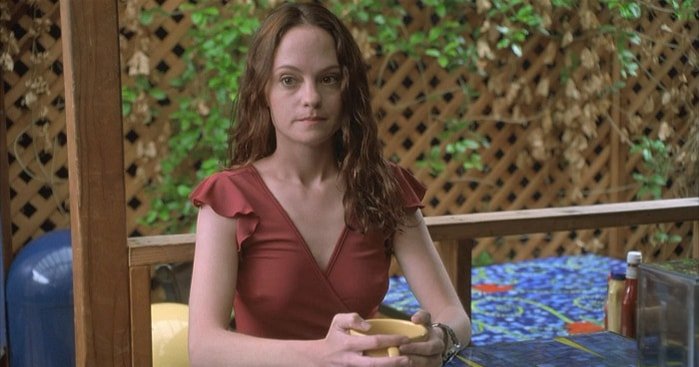
May (2002) follows a lonely veterinary assistant who was raised to believe that if you cannot find a friend, you make one. She fixes on people for a single perfect feature — hands, a neck — and when they disappoint her, she starts collecting. Lucky McKee’s film is awkward, funny, and then not. It shares Carrie’s interest in a girl who was taught that closeness is dangerous, and who builds a private ritual when the outside world will not have her.
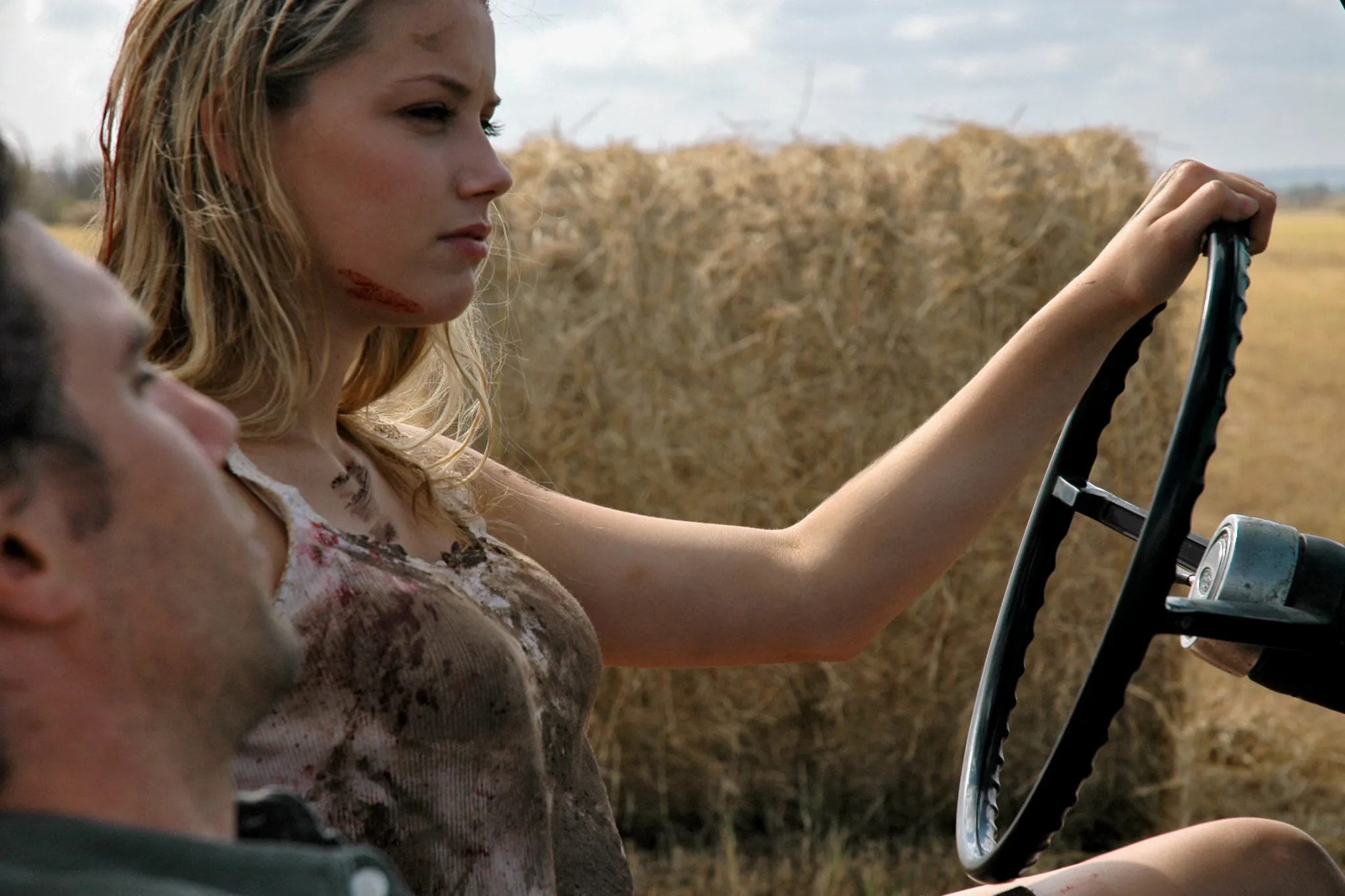
All the Boys Love Mandy Lane (2006) sends the untouchable girl in school to a ranch weekend with the boys who have been circling her, and the friend who talked her into going. The party curdles. Jonathan Levine’s slasher keeps its violence off to the side of a slower question: what it costs to be the girl everyone has already written a story about. Like Chris’s camera in Carrie, the danger starts as attention.

Teeth (2007) is about Dawn, a purity-ring teenager who discovers her body has a defense the abstinence assembly did not cover. Mitchell Lichtenstein plays the joke straight until the men around her force the point. The link to Carrie is the first-period scene updated as anatomy: a girl learns what she is in public, the room laughs, and the laugh is the mistake.
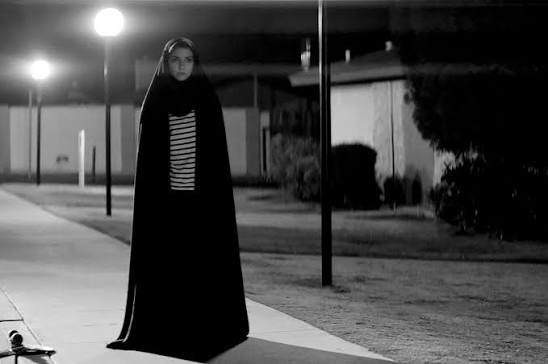
A Girl Walks Home Alone at Night (2014) sets a chador-wearing vampire loose in a dead Iranian oil town, skating, feeding, and occasionally choosing someone worth keeping. Ana Lily Amirpour shoots it like a western that forgot its color. The girl is not confused about her power. She is deciding how to spend it, which is the question Flanagan’s Carrie only reaches once the phones are already out.
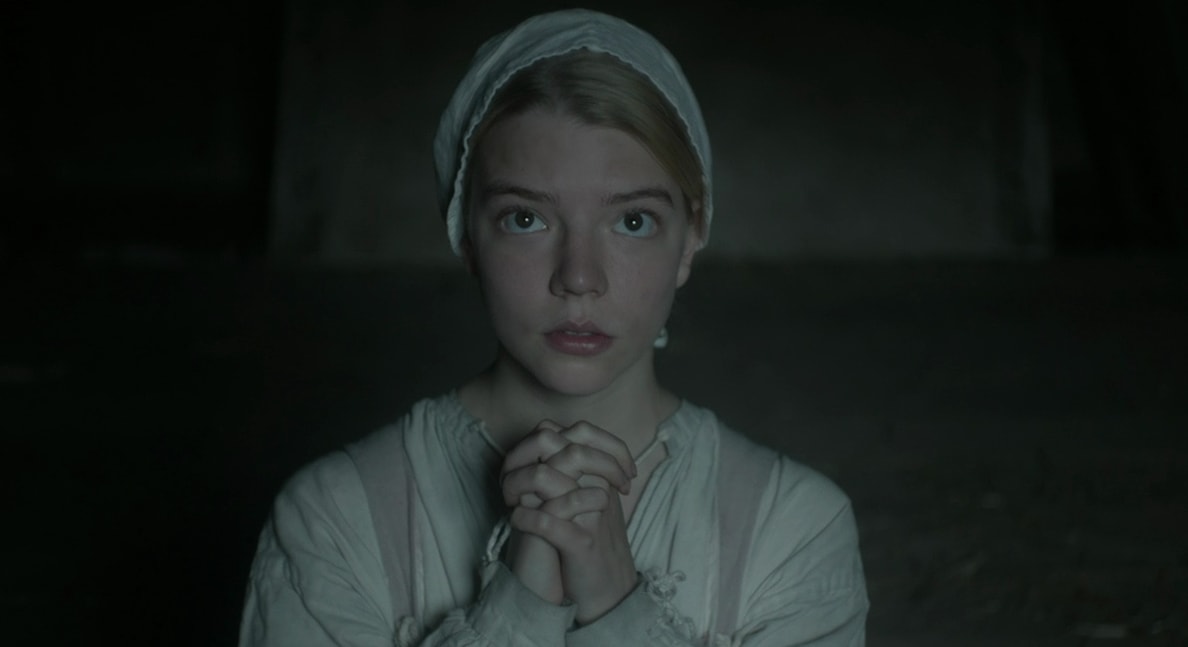
The Witch (2015) strands a Puritan family at the edge of the woods after they are cast out of the plantation, and lets the eldest daughter, Thomasin, take the blame for every loss. Robert Eggers builds the dread out of prayer, goats, and a mother who cannot tell fear from faith. Margaret White would recognize the house. The ending is what happens if the daughter stops asking to be let back in.

Raw (2016) drops a lifelong vegetarian into veterinary school, where a hazing ritual wakes a hunger she cannot file under growing pains. Julia Ducournau makes the cannibalism feel like puberty with the volume up: shame, appetite, a sister who already knows. It is the locker-room movie if the blood had belonged to Carrie on purpose.
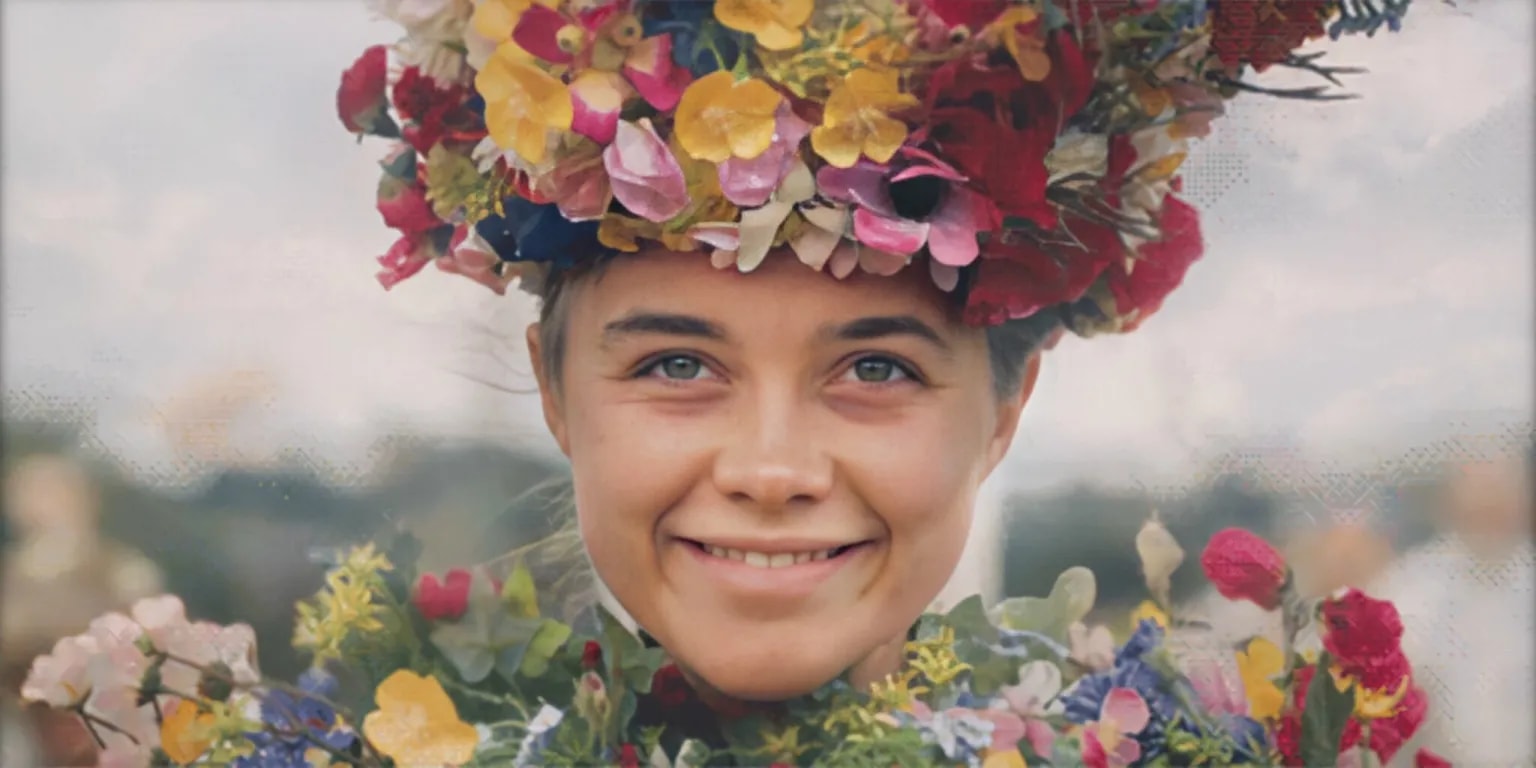
Midsommar (2019) takes a grieving American woman to a Swedish midsummer festival that is also a cult, and watches her boyfriend and his friends fail the test she did not know she was taking. Ari Aster keeps the sun up. The relation to Carrie is the promise of a community that finally sees her, and the price of being crowned.
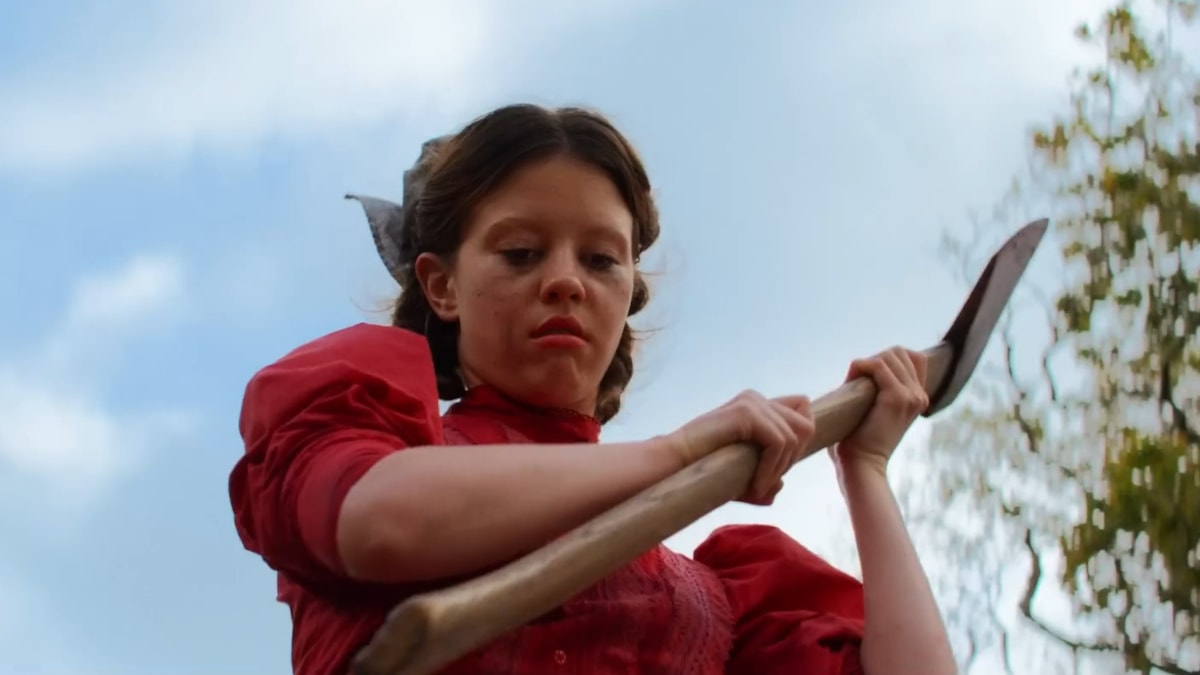
Pearl (2022) is Ti West’s origin story for the farm girl who wants the movie life and will not survive being told no. Mia Goth plays the need as brightly as the axe. Set beside Flanagan’s series, it is the other version of a daughter locked in with a mother and a God: the smile holds until the audience leaves.