Zach Cregger’s new “Resident Evil” is already making history, and it’s doing it by ignoring the rulebook that’s dogged video game movies for decades. Rather than delivering a scene-for-scene translation of Capcom’s games, Cregger — the writer-director behind horror hits “Barbarian” and last year’s “Weapons” — built an entirely new story around Bryan, a medical courier played by Austin Abrams, who gets pulled into a single, chaotic night of survival after a delivery goes horribly wrong in a zombie-infested Raccoon City. It’s a loose reinvention, not a faithful retelling, and it’s exactly the sort of creative swing that tends to invite pushback from purists who measure an adaptation’s worth by how closely it mirrors its source material.

That reaction, if it comes, would be missing the point. The results speak for themselves: the film currently holds a 96% approval rating on Rotten Tomatoes, officially the best-reviewed video game movie ever made, surpassing the previous record set by “Sonic the Hedgehog 3.” It’s also pulling in real audience enthusiasm, not just critical praise, with a B+ CinemaScore and a 4.5-out-of-5 PostTrak rating, both well above what this franchise has managed in over two decades of films.
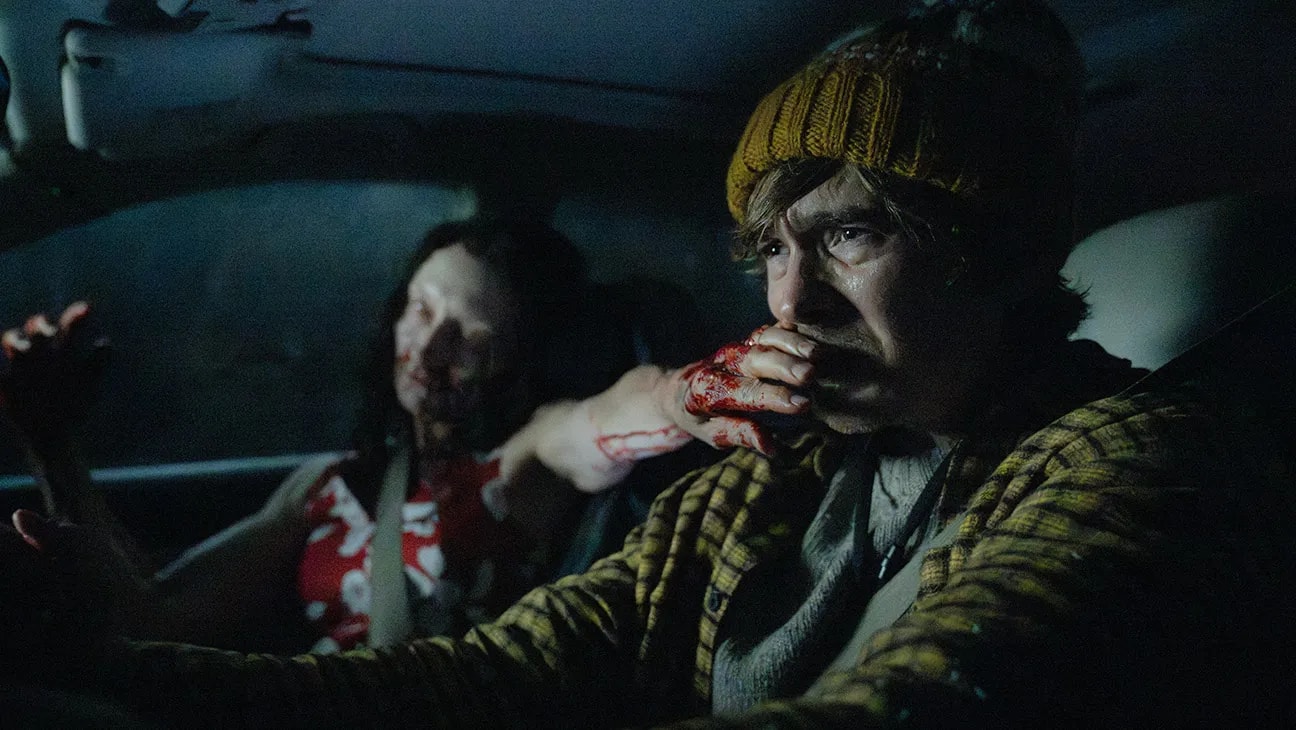
The box office numbers tell the same story. The movie grossed $26.3 million on its opening Friday alone, including a franchise-record $8.8 million in Thursday previews, putting it on pace for a $53-60 million opening weekend. That’s not just an all-time high for the “Resident Evil” franchise, which has grossed more than $1.2 billion worldwide across eight films without a single one impressing critics — it’s also the biggest opening of Cregger’s career, topping “Weapons,” which debuted to $43.5 million last year.
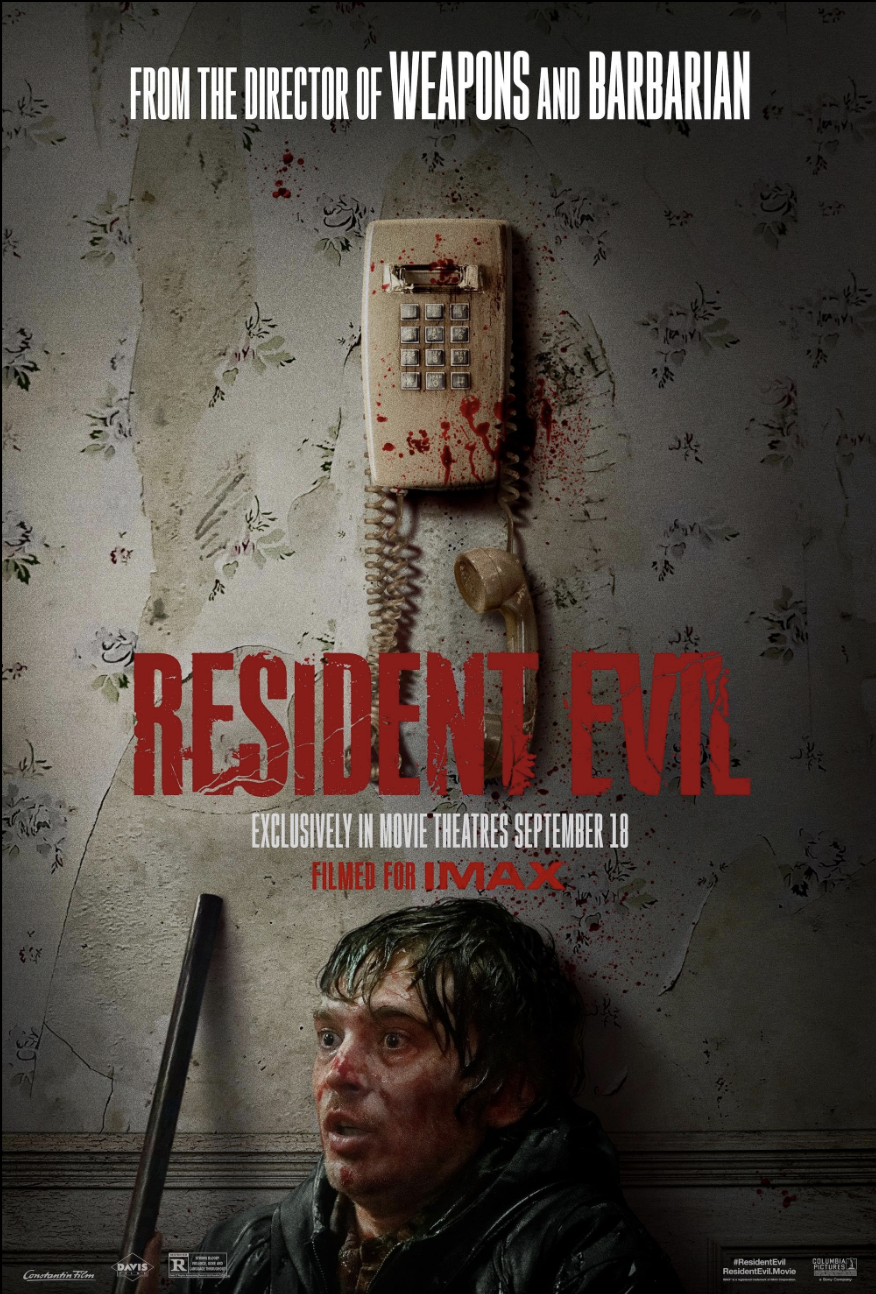
The lesson here isn’t really about “Resident Evil” specifically. It’s a reminder that faithfulness to source material and quality are two different measuring sticks, and audiences have increasingly shown they care more about the latter. A movie doesn’t need to satisfy a checklist of game references to work as a movie — it needs to be a good movie. By every measure that actually matters, from the reviews to the reception to the box office receipts, Cregger’s “Resident Evil” is exactly that.