Survivors and former members explain what Peoples Temple once offered them in Stanley Nelson’s 2006 documentary Jonestown: The Life and Death of Peoples Temple: a community built around racial equality and the possibility of a fairer society. Their accounts give the people who followed Jim Jones lives and convictions beyond the way they died.
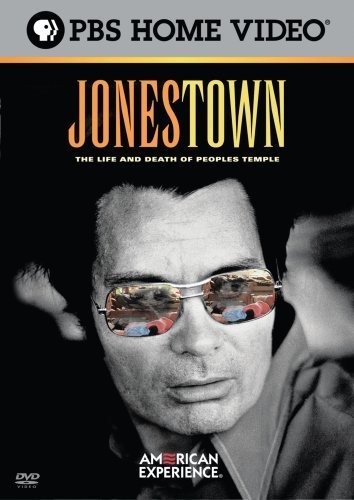
The film follows the church from its beginnings in Indiana in the 1950s to its expansion in California, where its interracial congregation attracted people committed to social justice. It traces Jones’s growing power over those members as abuse, isolation and paranoia overtook the promises that had brought them together.
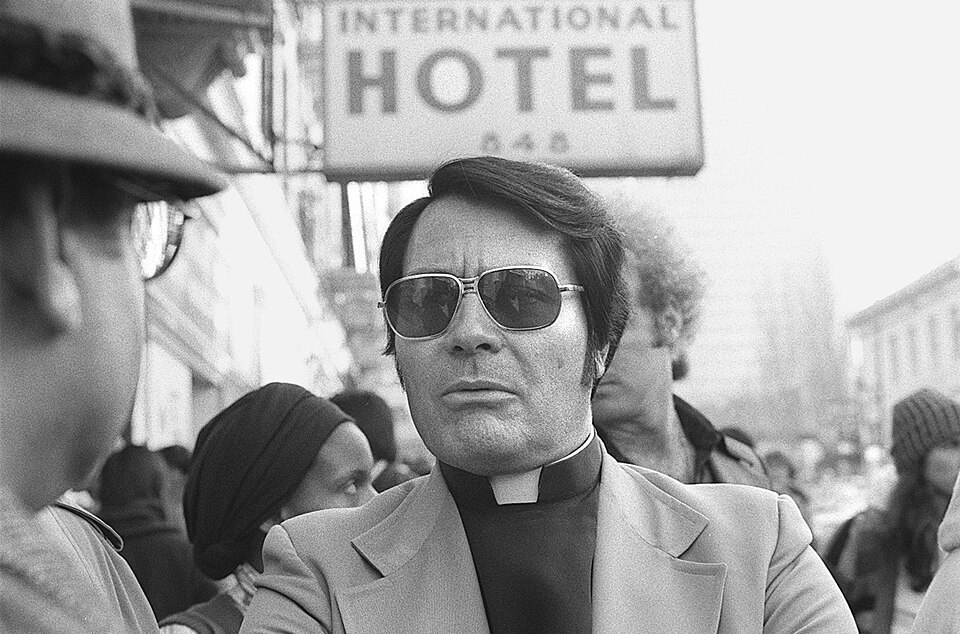
Interviews with defectors, survivors, bereaved relatives and Jones’s son, Jim Jones Jr., sit alongside archival footage of religious services and everyday life. Recordings of Jones’s own voice document his leadership, including his words during the settlement’s final hours. The material follows the movement to Jonestown, the remote agricultural community it established in Guyana.
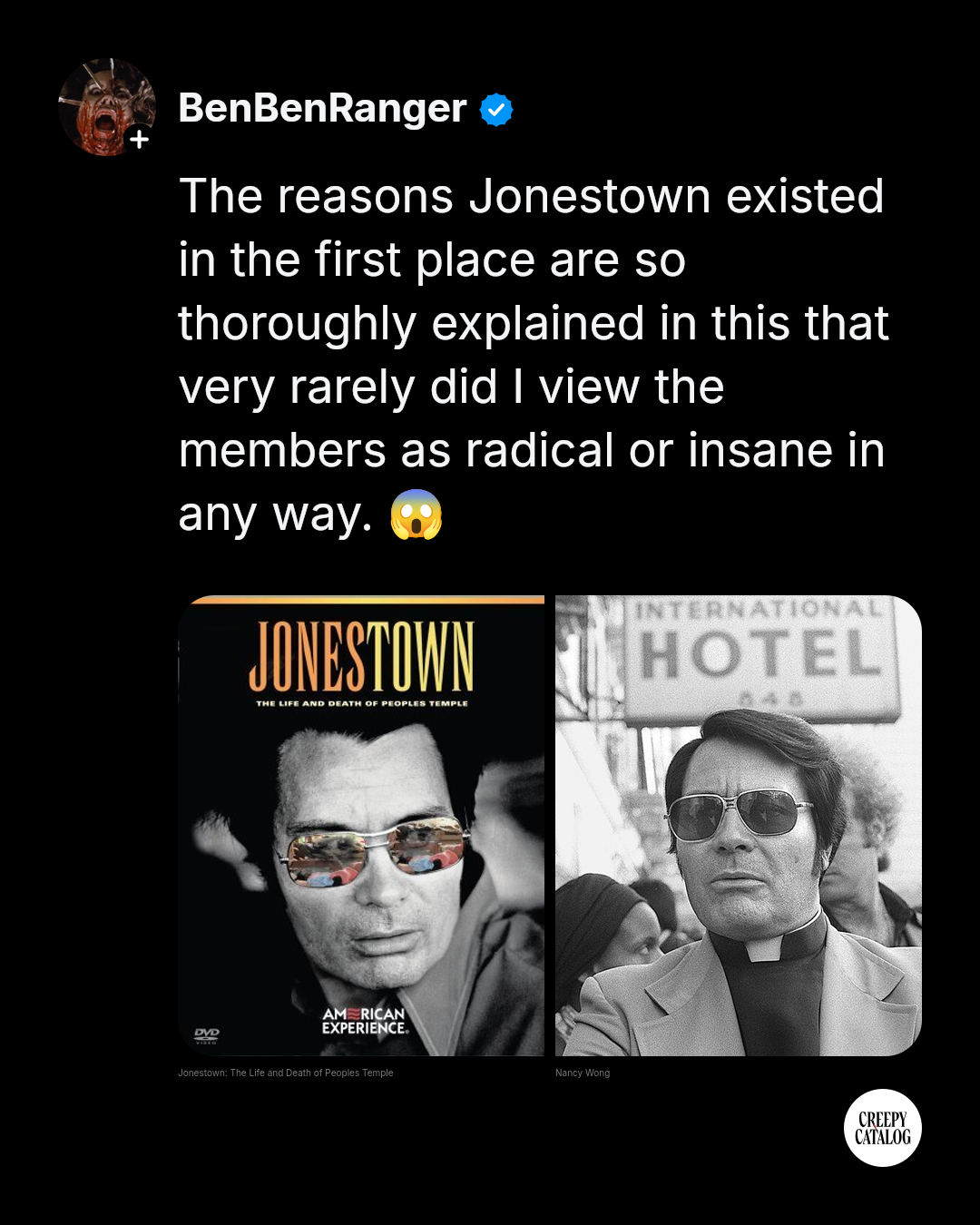
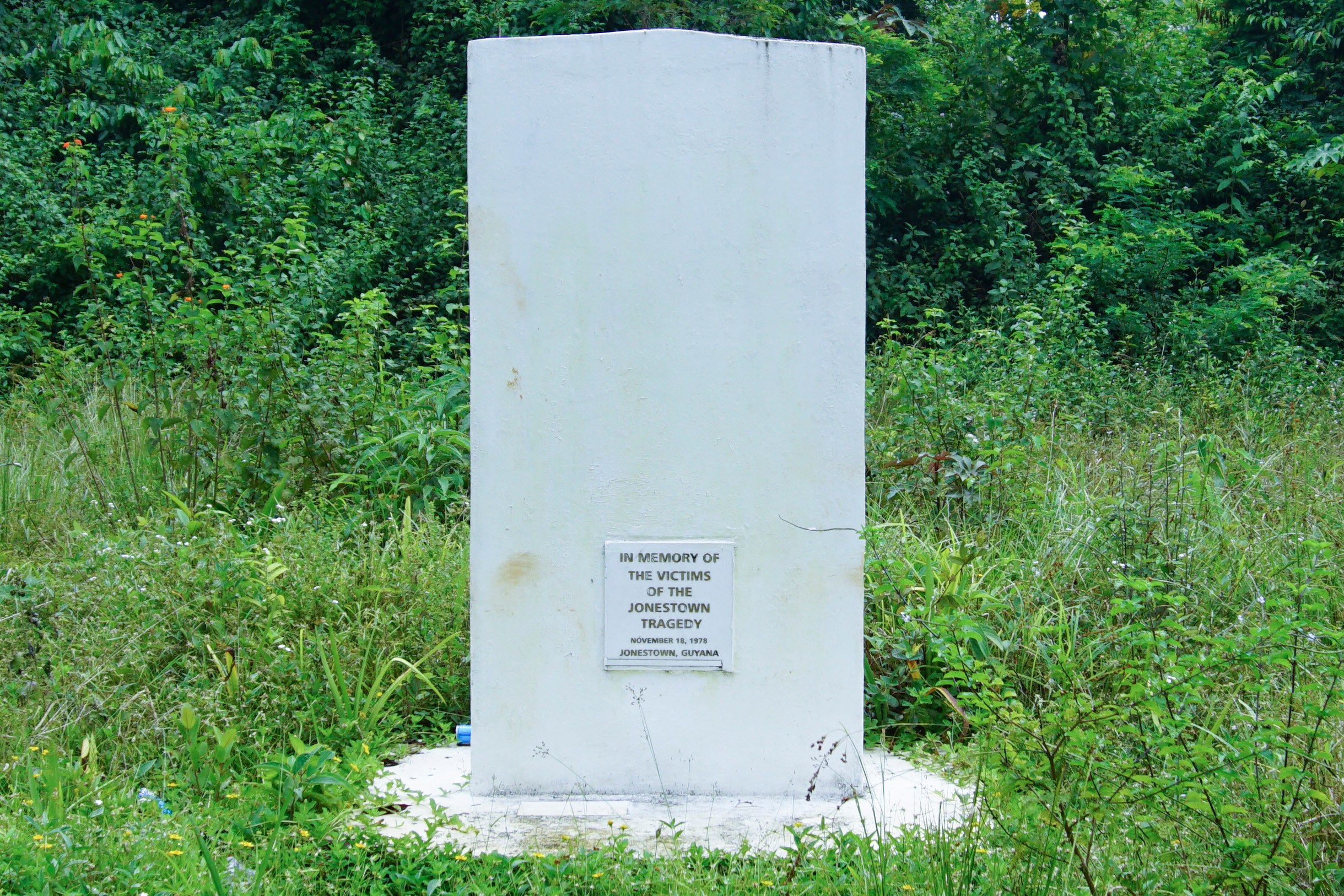
On November 18, 1978, Congressman Leo Ryan visited with a group investigating allegations of abuse and residents being prevented from leaving. Ryan and several others were killed at a nearby airstrip after the visit. Jones then ordered the settlement’s residents to die.
More than 900 people died, including hundreds of children, primarily from a cyanide-laced drink. The film addresses the deaths as mass murder-suicide and includes evidence that many victims were coerced or forced. The drink was Flavor Aid, despite the familiar reference to Kool-Aid.
Nelson directed and produced the roughly 86-minute film, which was written primarily by Marcia Smith. It premiered at the Tribeca Film Festival, where it won Outstanding Achievement in Documentary, before airing on PBS’s American Experience in 2007.