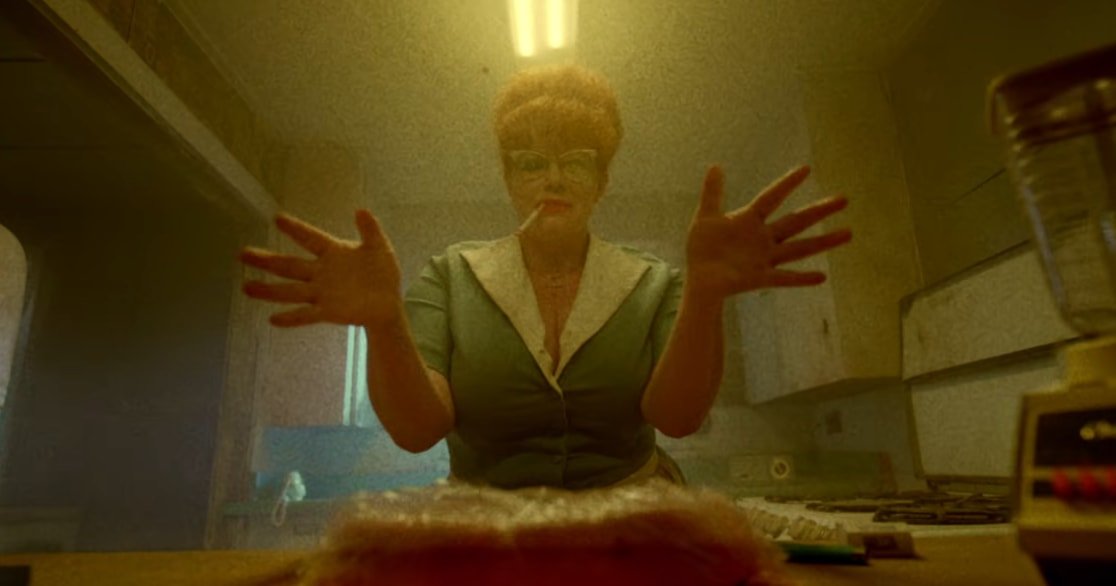
Hulu’s Furious isn’t particularly subtle about the questions it wants you to sit with—and that seems to be the point.
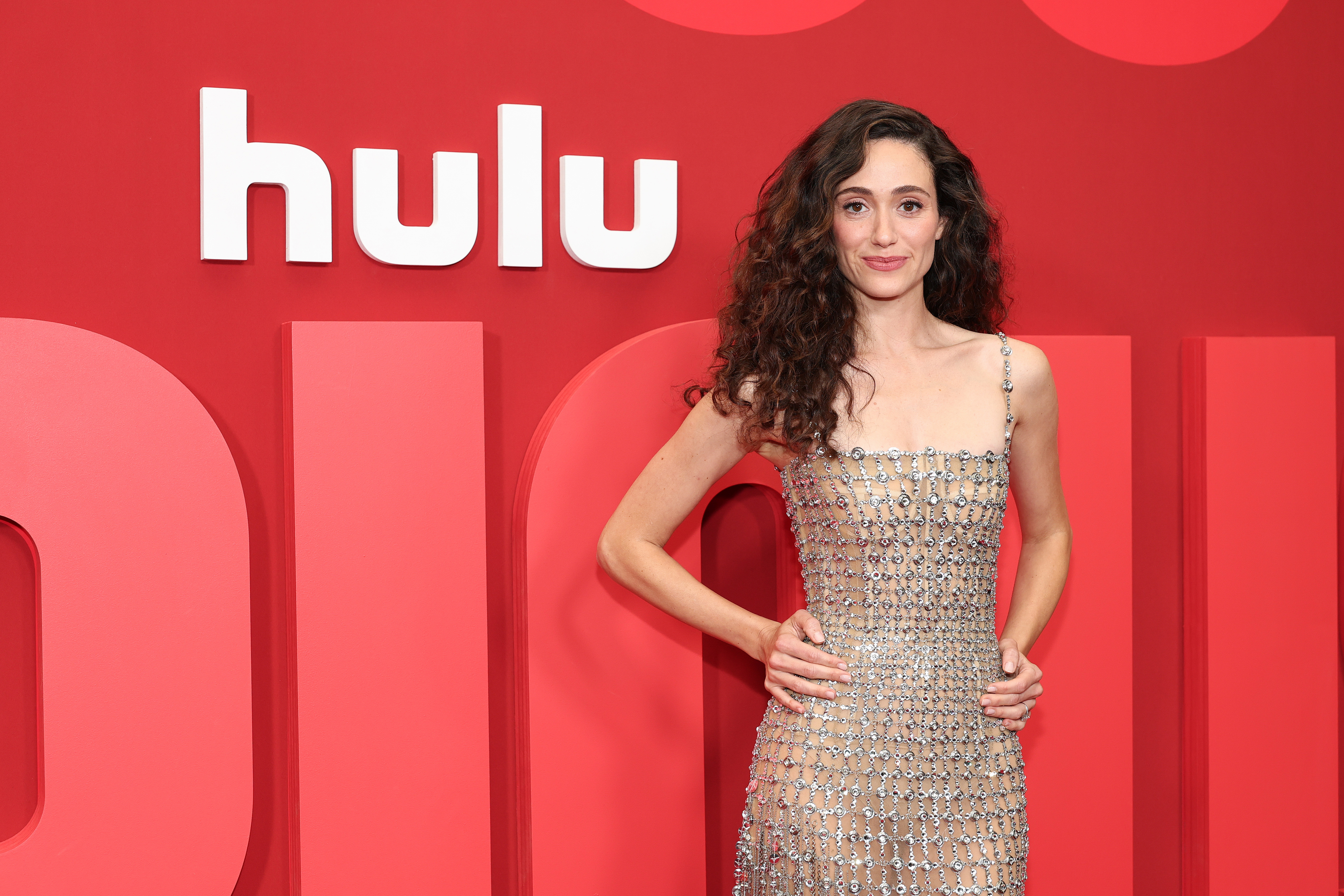
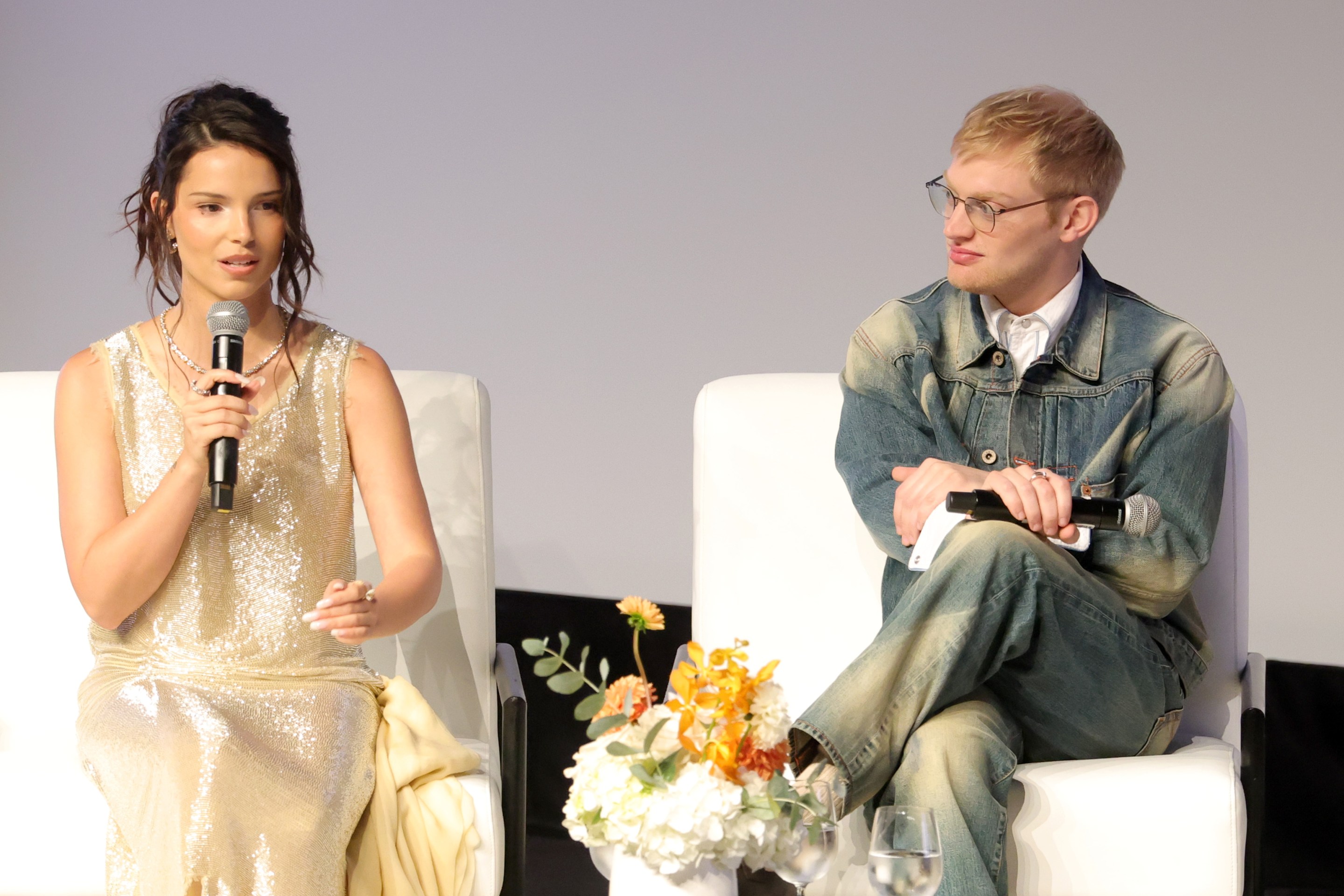
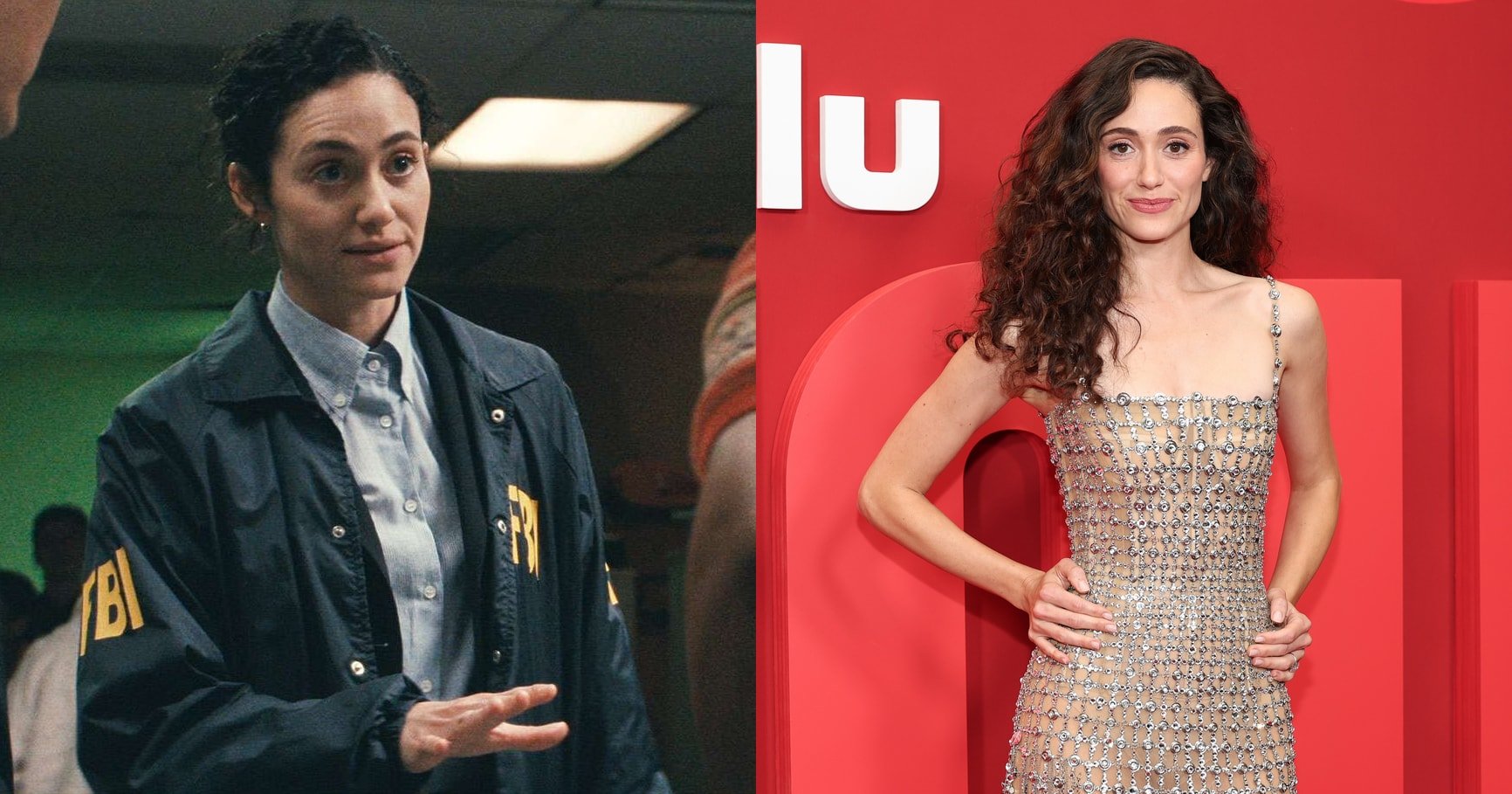
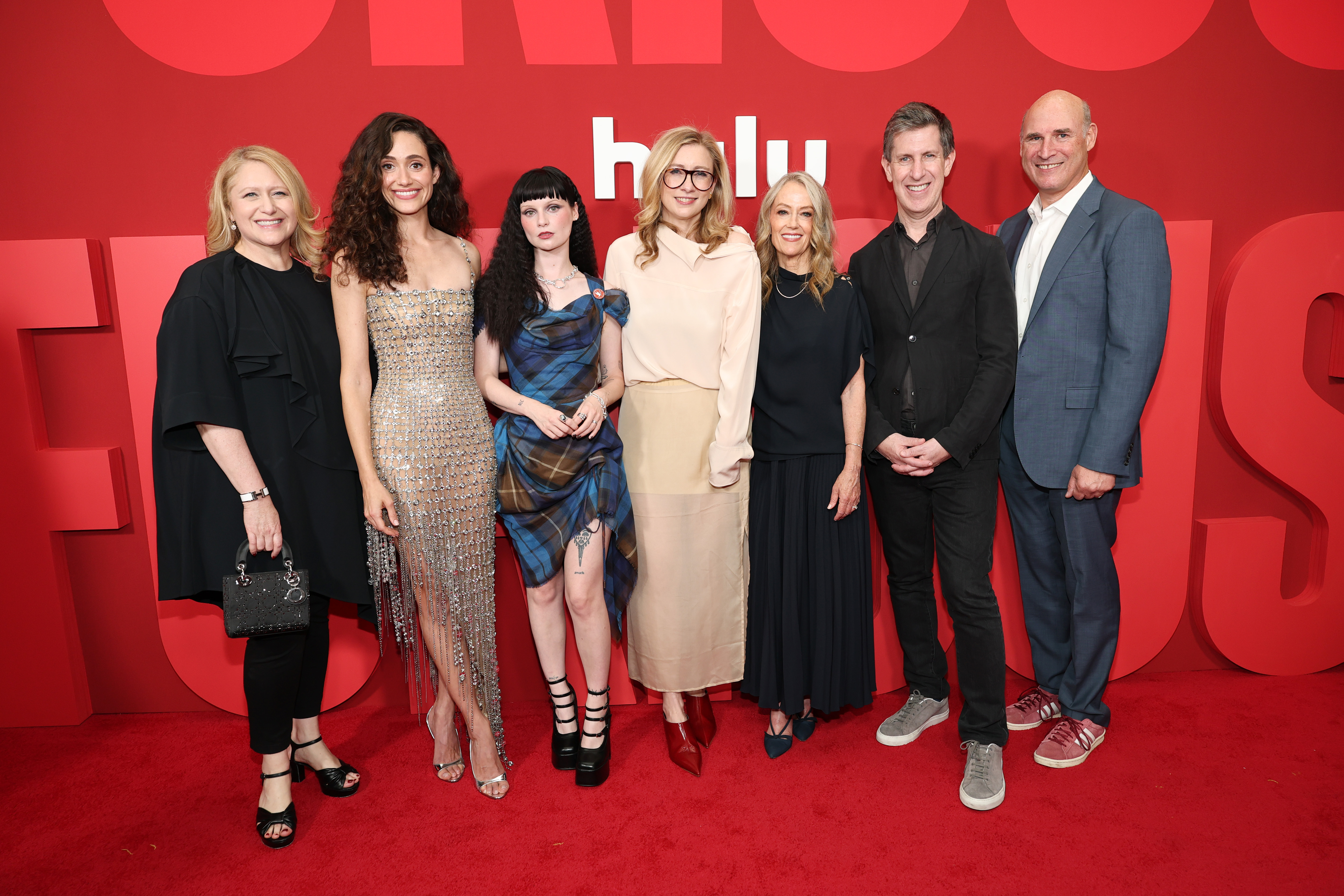
Created by Elizabeth Meriwether, the mind behind New Girl and The Dropout, the eight-episode thriller stars Emmy Rossum as FBI agent Alice Black, who becomes consumed by the hunt for a female serial killer targeting men connected by a disturbing shared history. Lola Petticrew plays the woman at the center of the investigation, alongside Scoot McNairy, Jake Lacy and Quincy Tyler Bernstine.
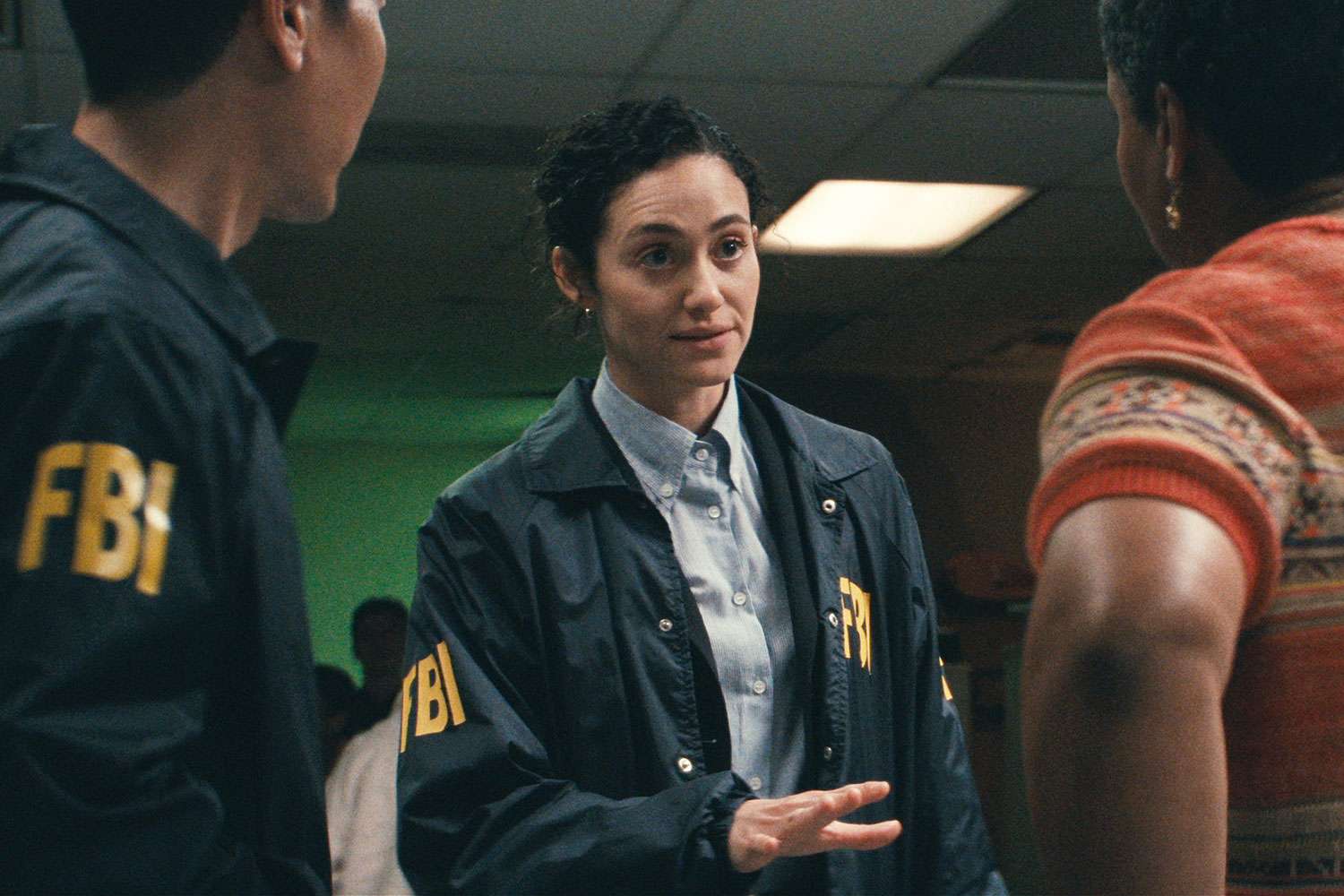
Without getting into spoilers, the premise puts Furious in morally uncomfortable territory almost immediately. This isn’t simply a procedural built around who did it. The show is interested in what happens when the audience understands why the violence is happening—and then has to reckon with the difference between understanding an act and condoning it.
That distinction matters because the series deliberately engages with sexual abuse, institutional failure, misogyny, trauma, and the ways victims are believed—or aren’t. Meriwether has described the show as an examination of female rage and the complicated cultural moment surrounding it, while Rossum has spoken about Alice as someone confronting both a killer and her own ideas about justice.
There’s also an interesting tradition behind it. Crime fiction has spent decades asking audiences to become fascinated with male killers, antiheroes, and vigilantes. Furious takes some of those familiar genre conventions and shifts the perspective, asking what changes when the person committing the violence is a woman, her victims are men, and the story refuses to make the morality comfortably black-and-white.
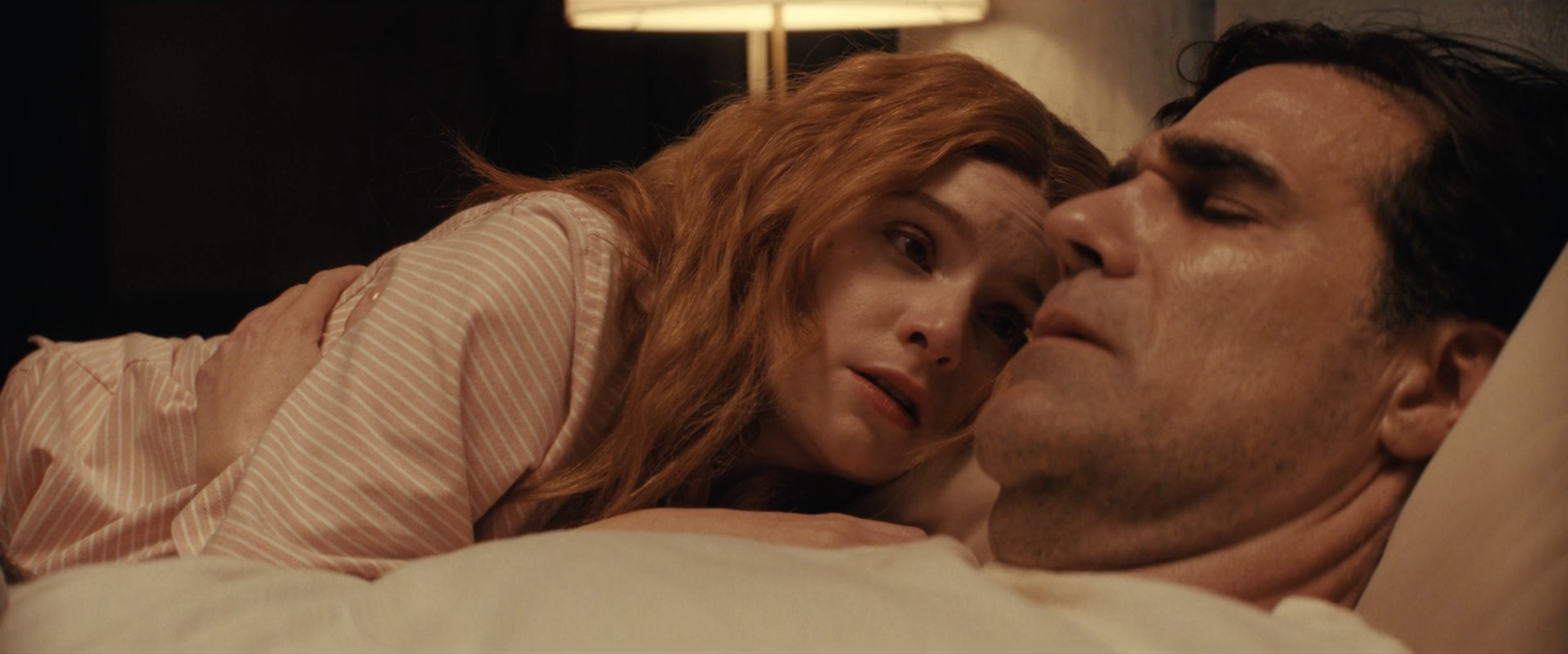
That doesn’t mean the series is arguing that revenge equals justice. It means it understands that horror and crime stories can be useful precisely because they let us explore ideas that would be deeply uncomfortable anywhere else.
And despite the heavy subject matter, Furious isn’t relentlessly grim. Meriwether’s darkly comic sensibility regularly surfaces, and the supporting cast—particularly Quincy Tyler Bernstine as veteran FBI agent Nora Washington—helps keep the series from becoming a straightforward revenge thriller.
Eight episodes, Emmy Rossum, a female serial killer, and a complicated conversation about rage, justice, and who gets to be sympathetic in stories about violence. Whatever conclusion you come away with, Furious clearly wants you arguing about it afterward.