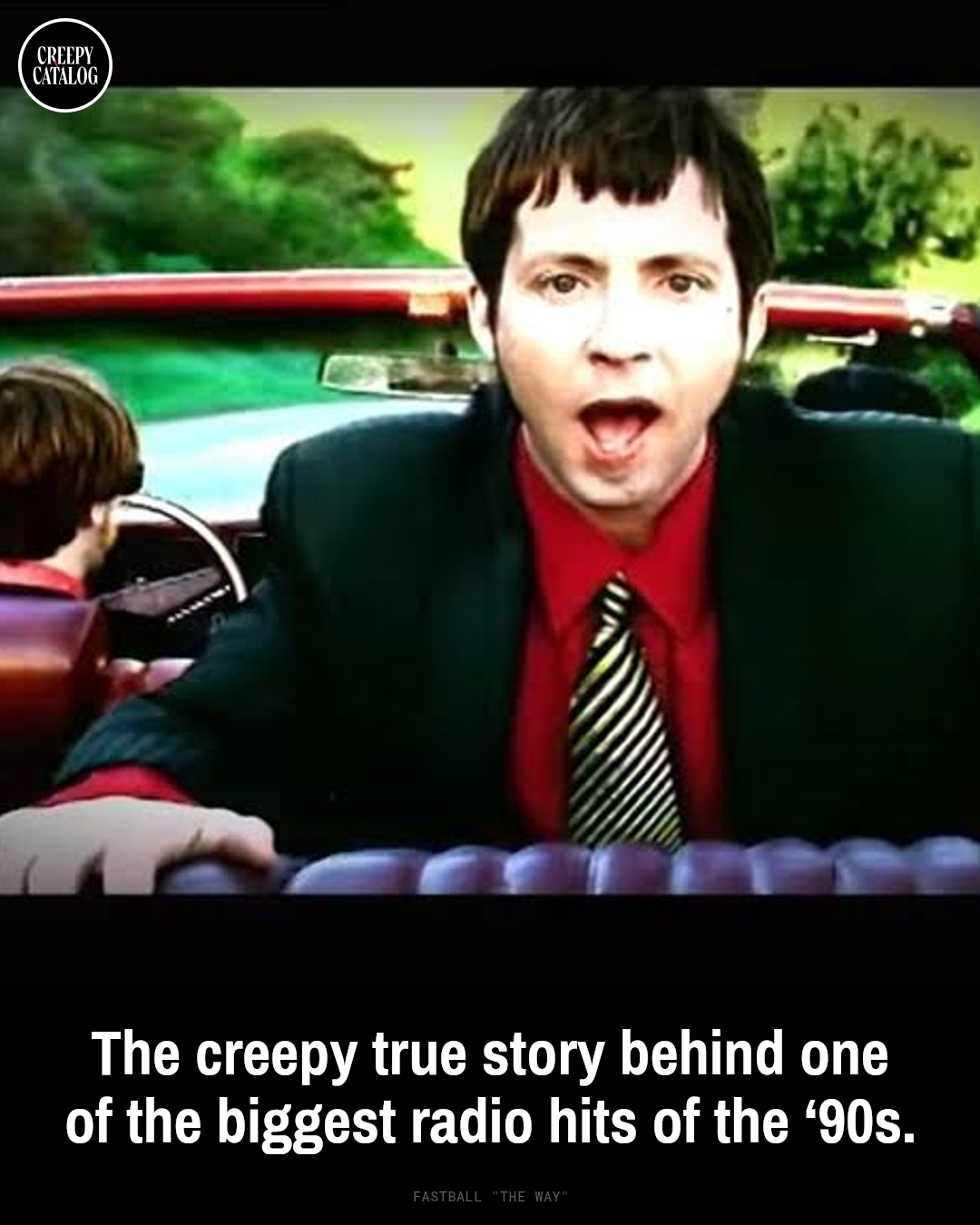
Fastball’s “The Way” grew out of a missing-persons story: an elderly Texas couple set out for a festival 15 miles from home and ended up dead hundreds of miles away.
In June 1997, Lela and Raymond Howard left Salado, Texas, for a fiddling festival they attended every year. Lela was 83 and showing signs of Alzheimer’s disease. Raymond, 88, had recently had a stroke and a head injury that required surgery.
Their son called that morning and pleaded with them to let him drive. They assured him they could manage the familiar trip. They never came home.
About 500 miles from Salado, a police officer stopped them because they were driving after dark without their headlights on. Lela was behind the wheel, but she couldn’t tell him where they lived. He warned her to switch on the lights and let them continue.
The couple attended a farmers market in Arkansas 3 days after their children reported them missing. Back at their house, searchers found their cat, clothes and toiletries. Their calendar was still on February.
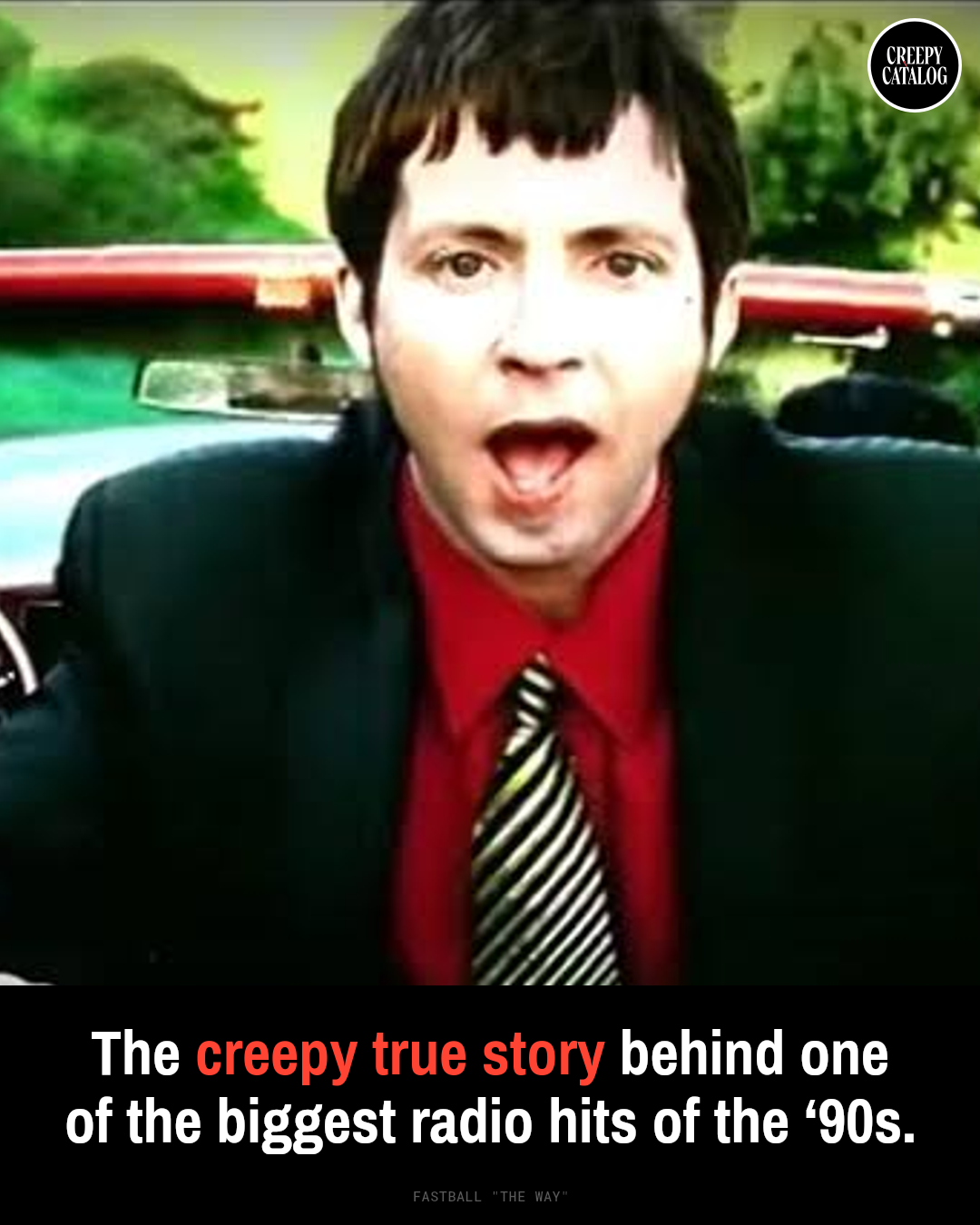
Fastball singer Tony Scalzo began following the story while the Howards were missing. It inspired the song’s imagined journey of a couple leaving everything behind, with lyrics promising that they’d never grow hungry, cold or old.
“Anyone can see the road that they walk on is paved in gold / And it’s always summer,” the song goes, “They’ll never get cold / They’ll never get hungry / They’ll never get old and gray.”
The Howards’ real journey ended near Hot Springs, Arkansas. At the bottom of a cliff, they and their car were found 14 days after they’d left home. There were no skid marks on the road above.
Scalzo described the song this way: “It’s a romanticized take on what happened.” The Howards’ children said they were glad their parents had been together when they died.