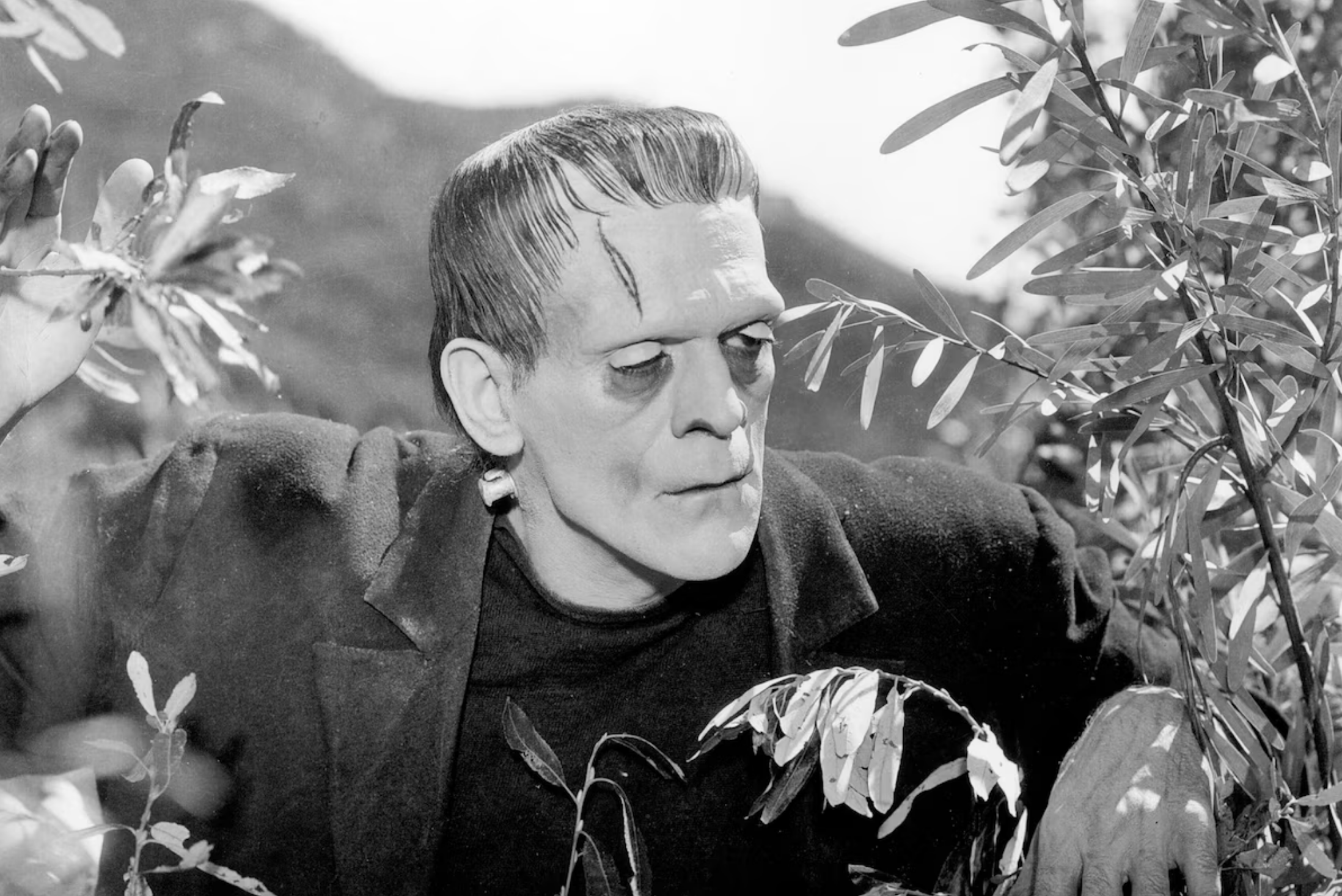
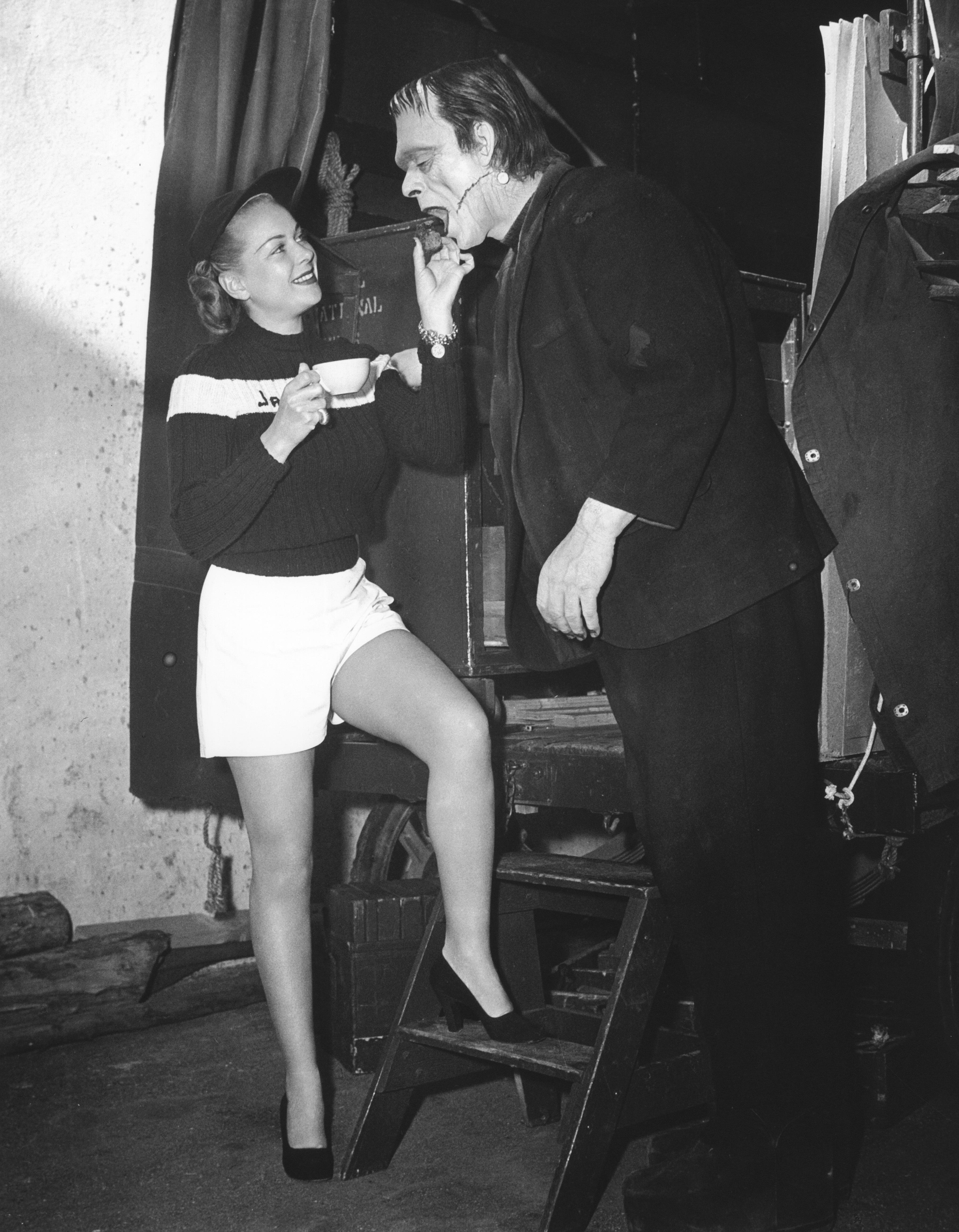
On November 21, 1931, James Whale’s Frankenstein brought Boris Karloff’s Monster to theaters. The flat head, neck electrodes and heavy eyelids became the creature’s defining screen image, a look makeup artist Jack Pierce created for Universal’s film.
Colin Clive plays Henry Frankenstein, the scientist who builds a body from human remains and uses electricity to bring it to life. Karloff gives the largely silent creation a childlike vulnerability. Cruelty helps drive the story toward catastrophe: the Monster is mistreated, escapes and eventually faces villagers who pursue him to a windmill and set it ablaze.
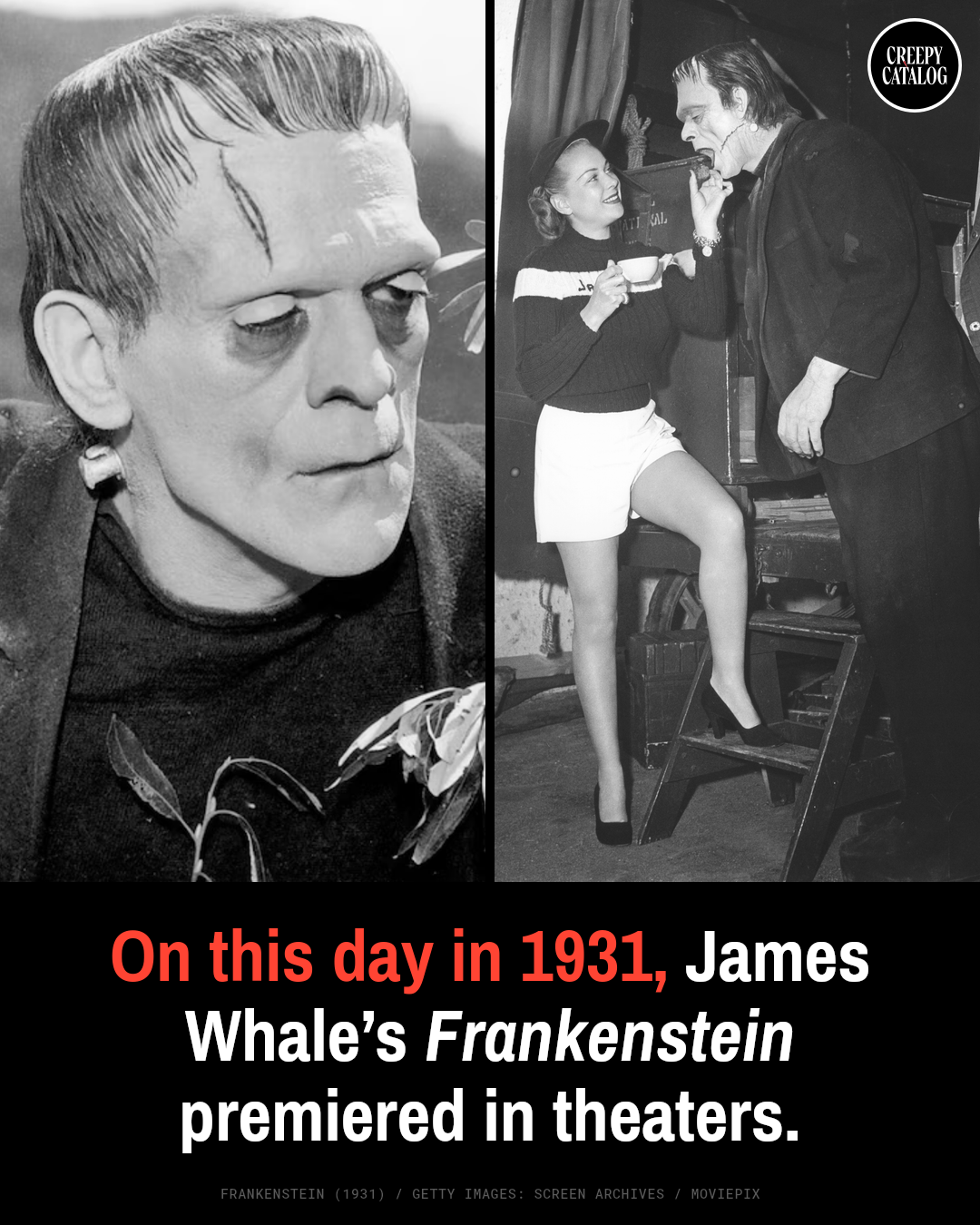
Universal pursued Frankenstein after Dracula’s success earlier in 1931. Bela Lugosi was initially attached to play the Monster before Karloff took the role. Pierce’s makeup required hours of application, and steel rods in Karloff’s boots helped produce the creature’s stiff-legged walk.
The adaptation drew heavily on stage versions of Mary Shelley’s story, especially Peggy Webling’s play. Its scientist’s name, the stolen “criminal brain” and the Monster’s appearance all depart from Shelley’s 1818 novel. Those choices helped shape the Frankenstein familiar from later movies and parodies: the electrical laboratory, the assistant and the villagers carrying torches.
The film also faced censorship in later releases, including cuts to Henry’s declaration, “Now I know what it feels like to be God.”