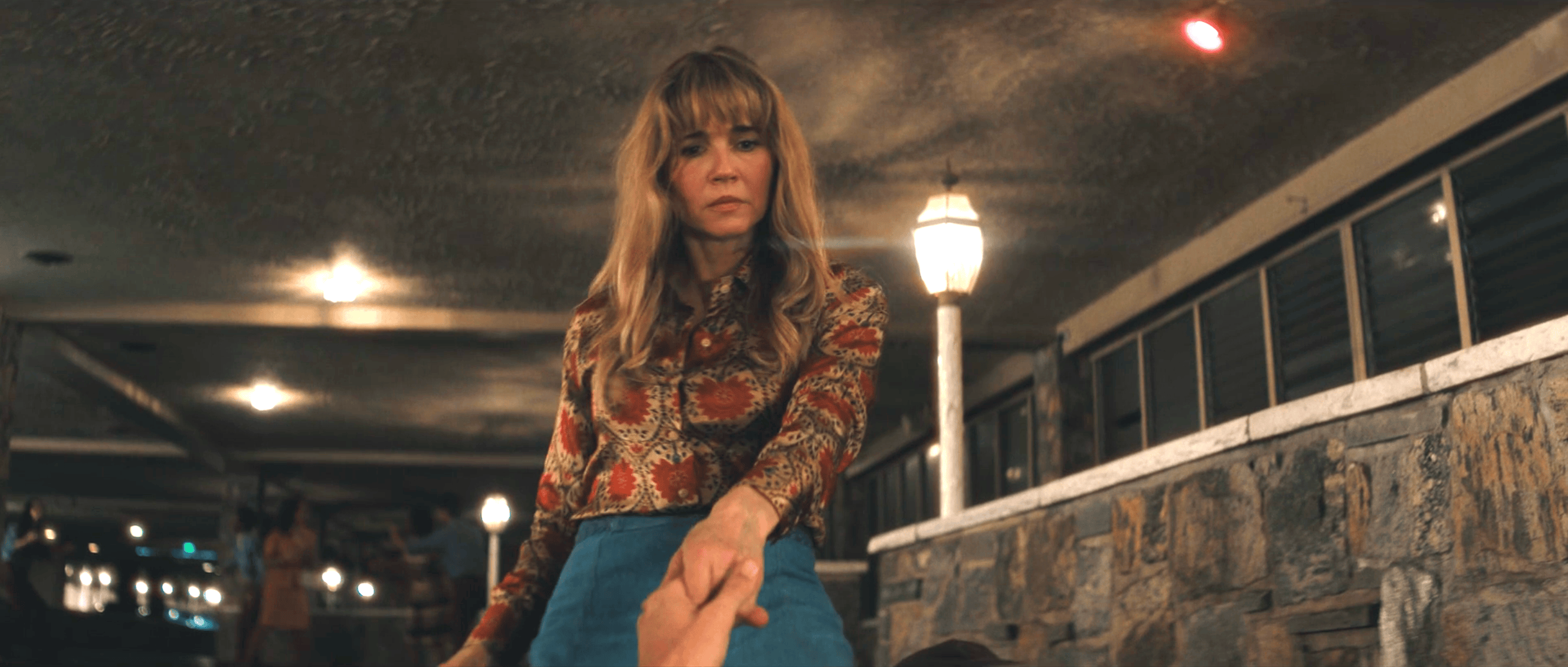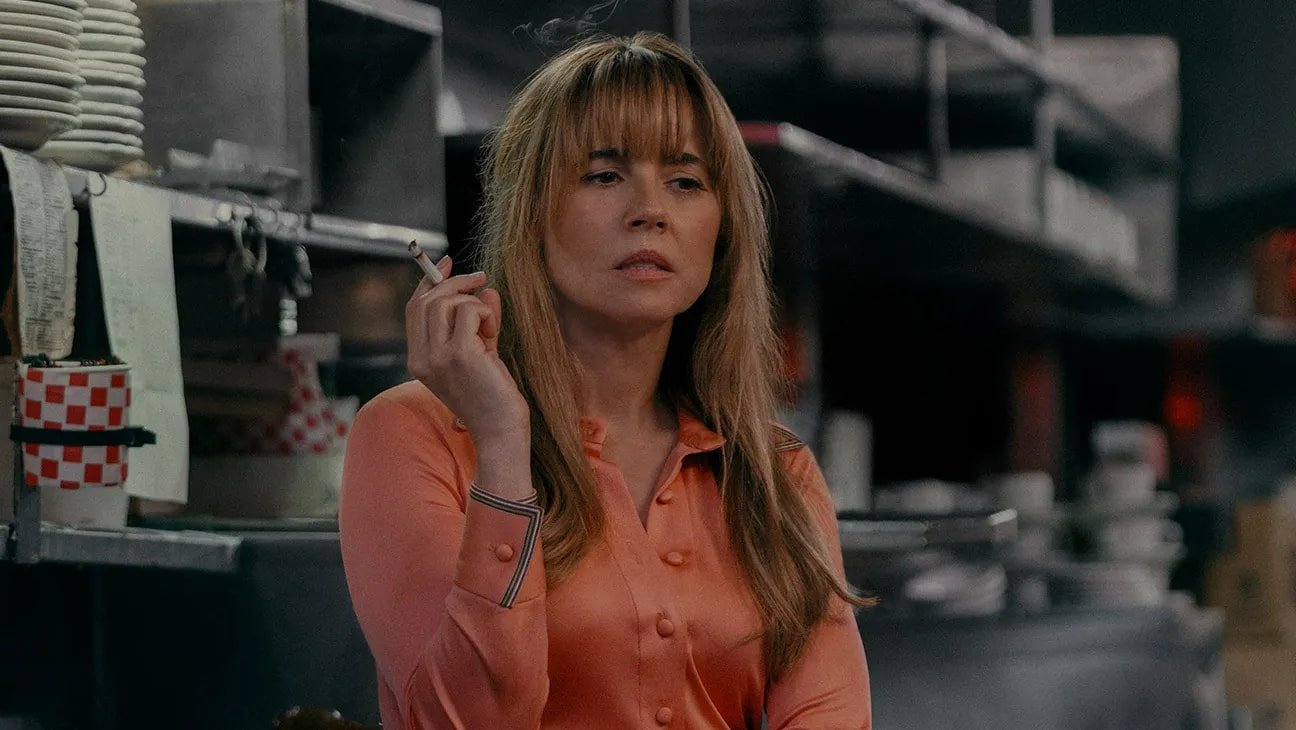
Linda Cardellini’s performance as Pamela Voorhees in Crystal Lake is the kind of work that quietly redefines a character most people only knew as a late-film twist.
For eight episodes she carries a woman who is constantly being managed, medicated, dismissed, and gaslit, by her husband, by doctors, by the camp, by the town, while still trying to function as a mother. Cardellini never lets Pamela tip into cartoon villainy too early.
She keeps the performance grounded in exhaustion, protective ferocity, and the slow accumulation of grief, so that by the time the violence arrives it feels like the only language left to her. That control is what makes the final scene land so hard.
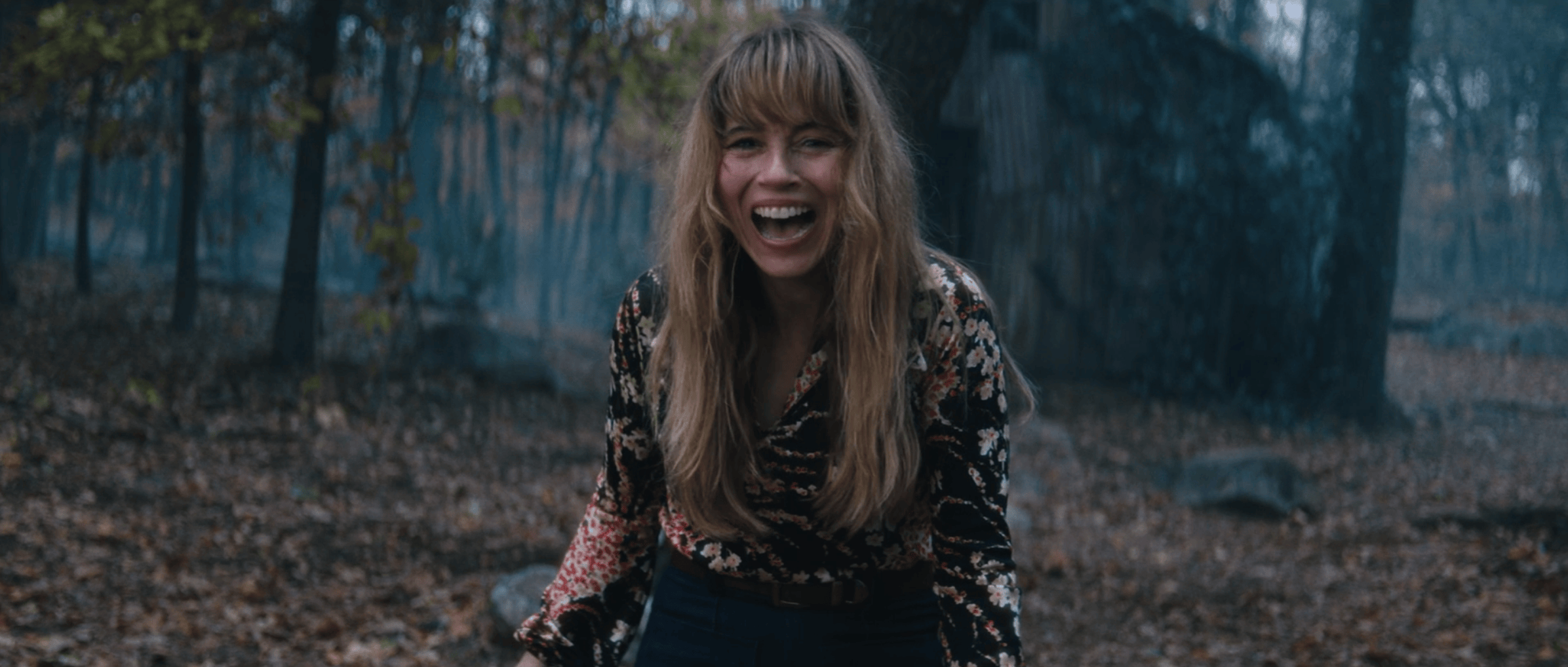
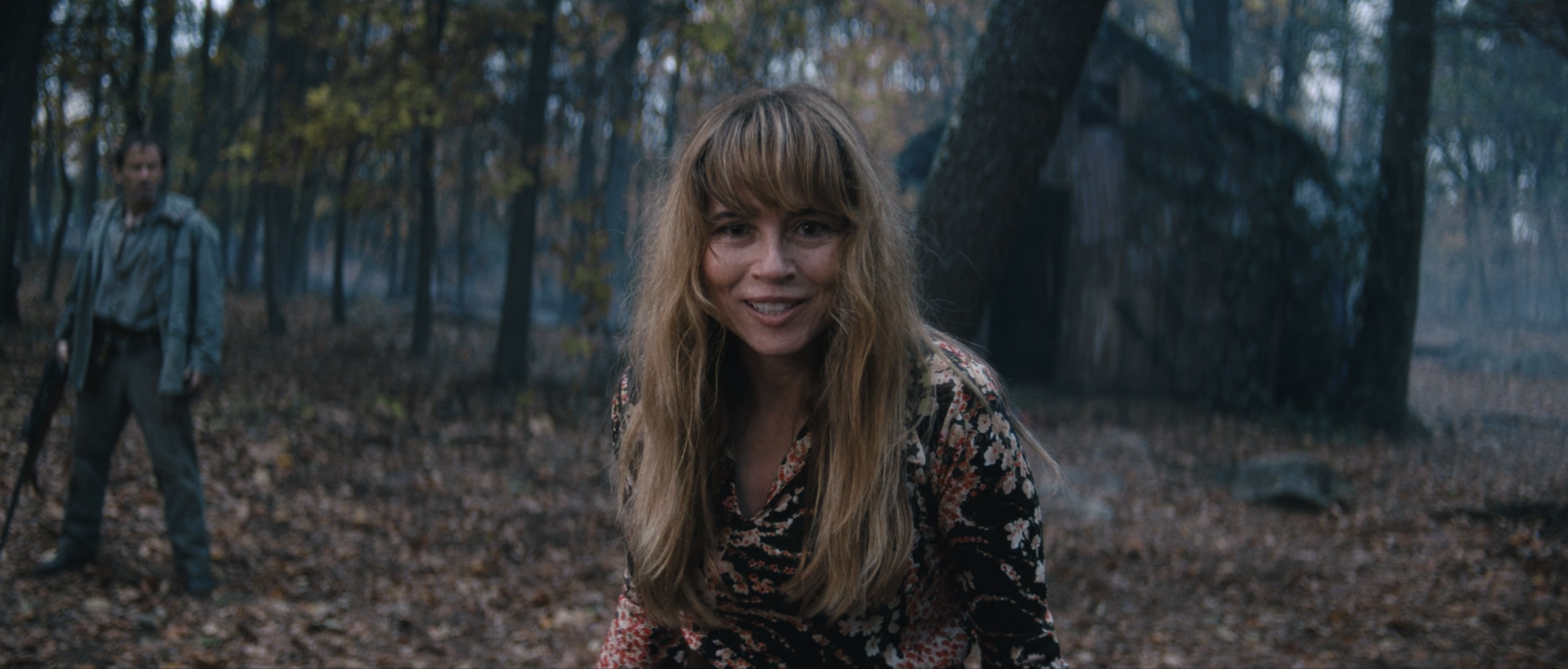
In the last moments of the season, after Ralph shoots Jason and the boy disappears into the woods anyway, Cardellini lets everything break. She starts laughing, not the manic cackle of a stock horror mother, but something raw and almost relieved.
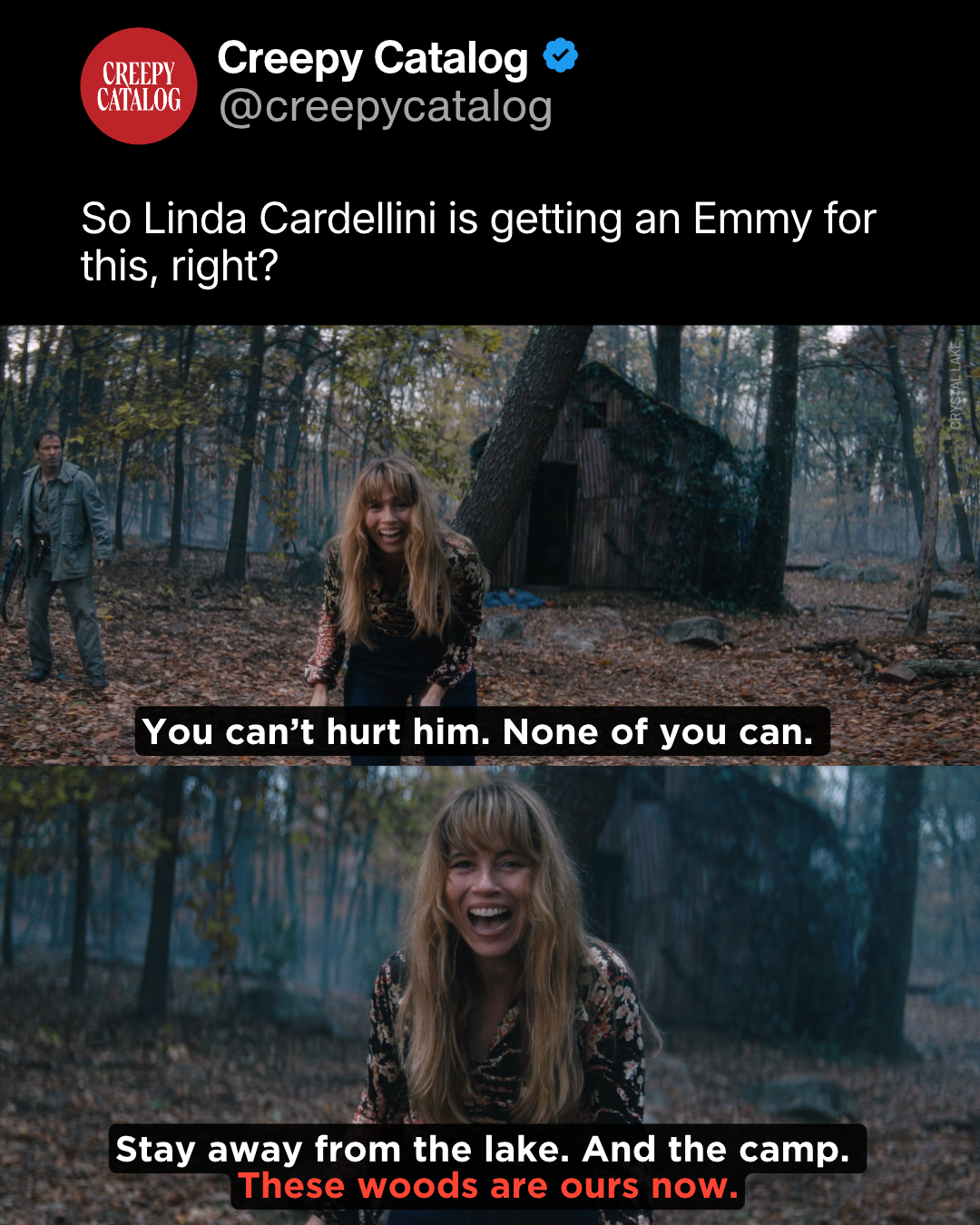
It’s the laugh of a woman who has spent years being told her son was fragile, defective, and doomed, and who has just watched him take a shotgun blast to the head and walk away. When she tells Ralph that no one can hurt Jason anymore, that he is stronger than anyone gave him credit for, and that the woods belong to them now, Cardellini plays it as both triumph and surrender.
The laugh keeps going while she delivers the lines, as if the words are only half-formed through the release. It is unsettling precisely because it still contains the mother who spent the entire series trying to keep her child safe.
That scene is the clearest argument for an Emmy. Cardellini has to make the audience understand why Pamela would choose this version of Jason, the one who is no longer a helpless boy but something closer to unstoppable, over the version the world kept insisting she mourn.
The laughter isn’t pure madness. It’s the sound of a woman who has been cornered for so long that the only freedom left is the knowledge that her son can no longer be taken from her.
Cardellini sells both the horror of that realization and the terrible, private joy in it. It’s a precise, emotionally complicated piece of work that turns a franchise origin into a character study, and it is exactly the kind of performance awards are supposed to recognize.