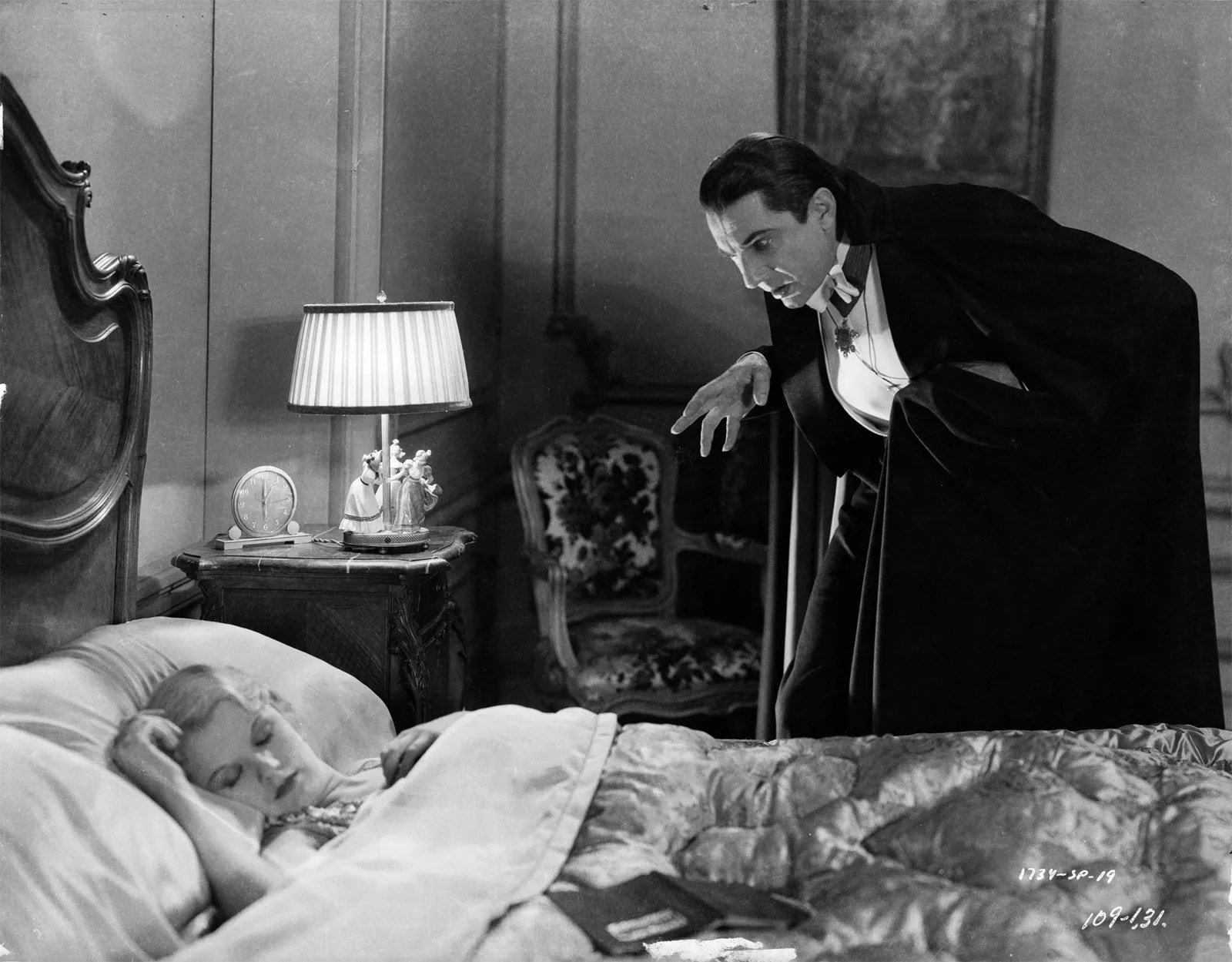
Rob Zombie’s favorite horror movies stretch from Bela Lugosi’s Dracula (1931) to 28 Days Later (2002), with a special affection for the genre’s earliest decades. The filmmaker behind House of 1000 Corpses and The Devil’s Rejects calls the 1930s his favorite era.
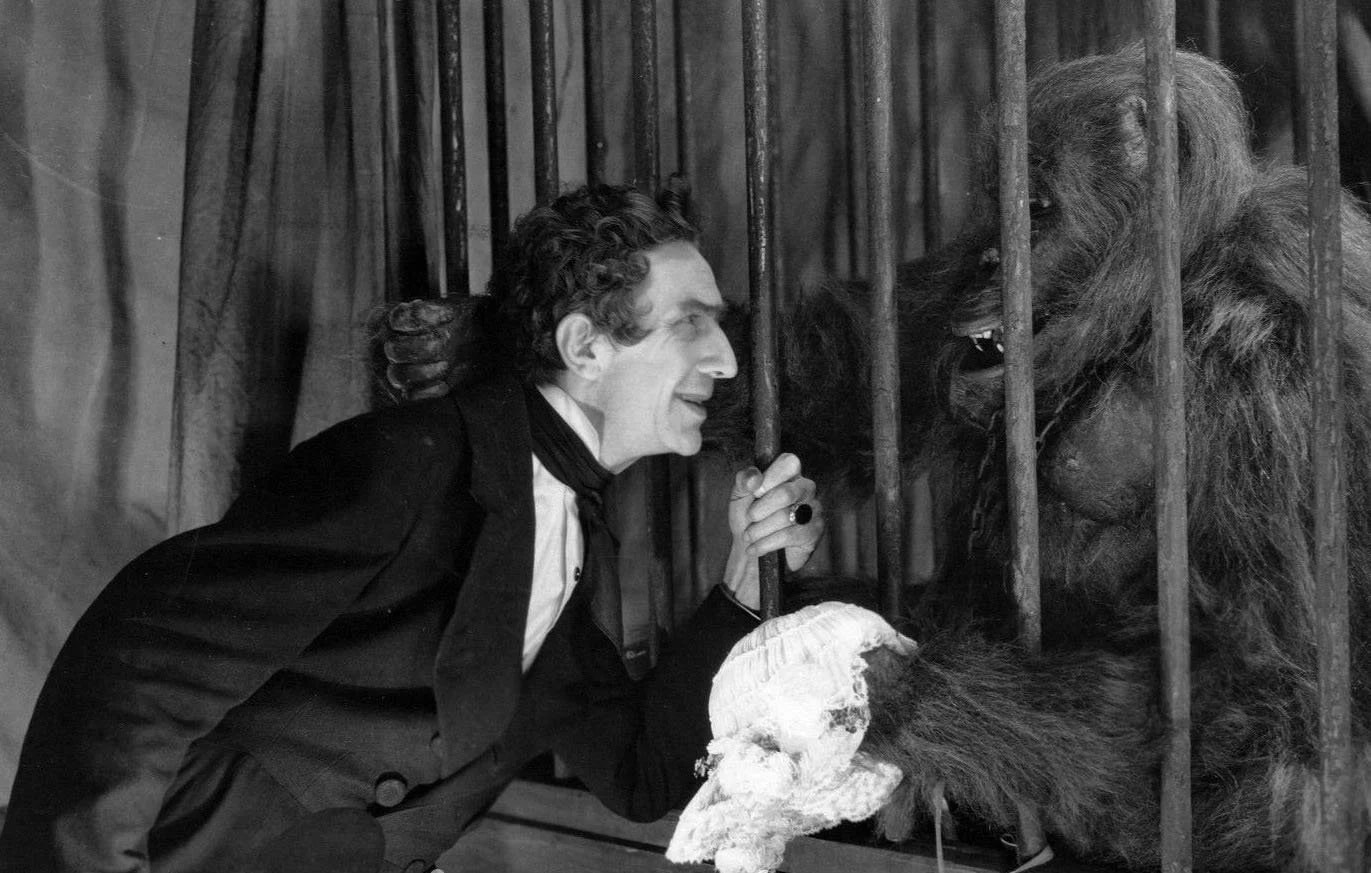
“The 1930s is my absolute favorite time period for horror movies, because they were just so demented and sick,” Zombie said. He particularly loves pre-Code horror, made before the Hays Code’s restrictions took hold in 1934.
His favorites include:
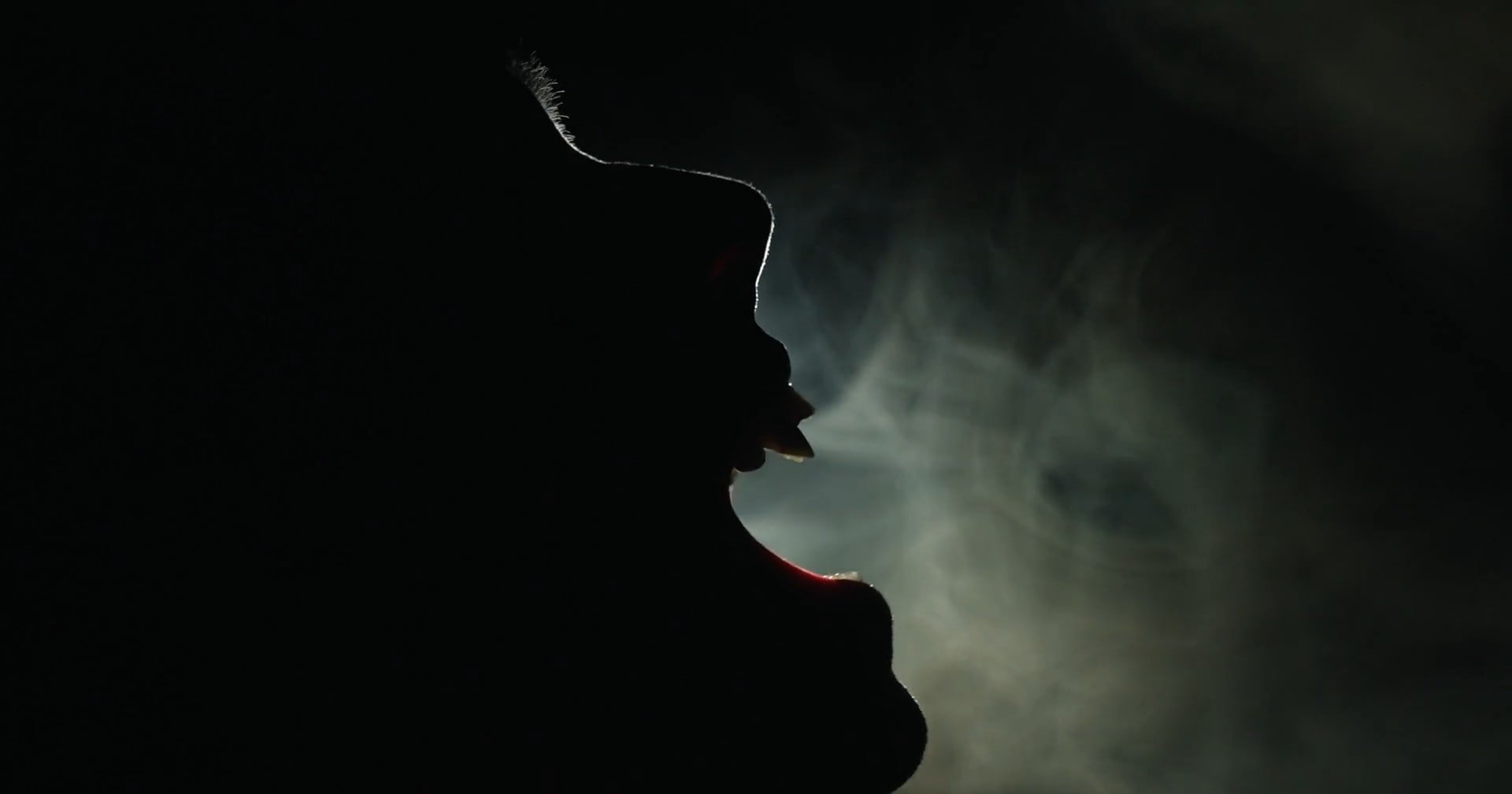
Dracula (1931) A mysterious Transylvanian count moves to England and begins preying on young women as a vampire, in the iconic Universal Pictures adaptation starring Bela Lugosi.
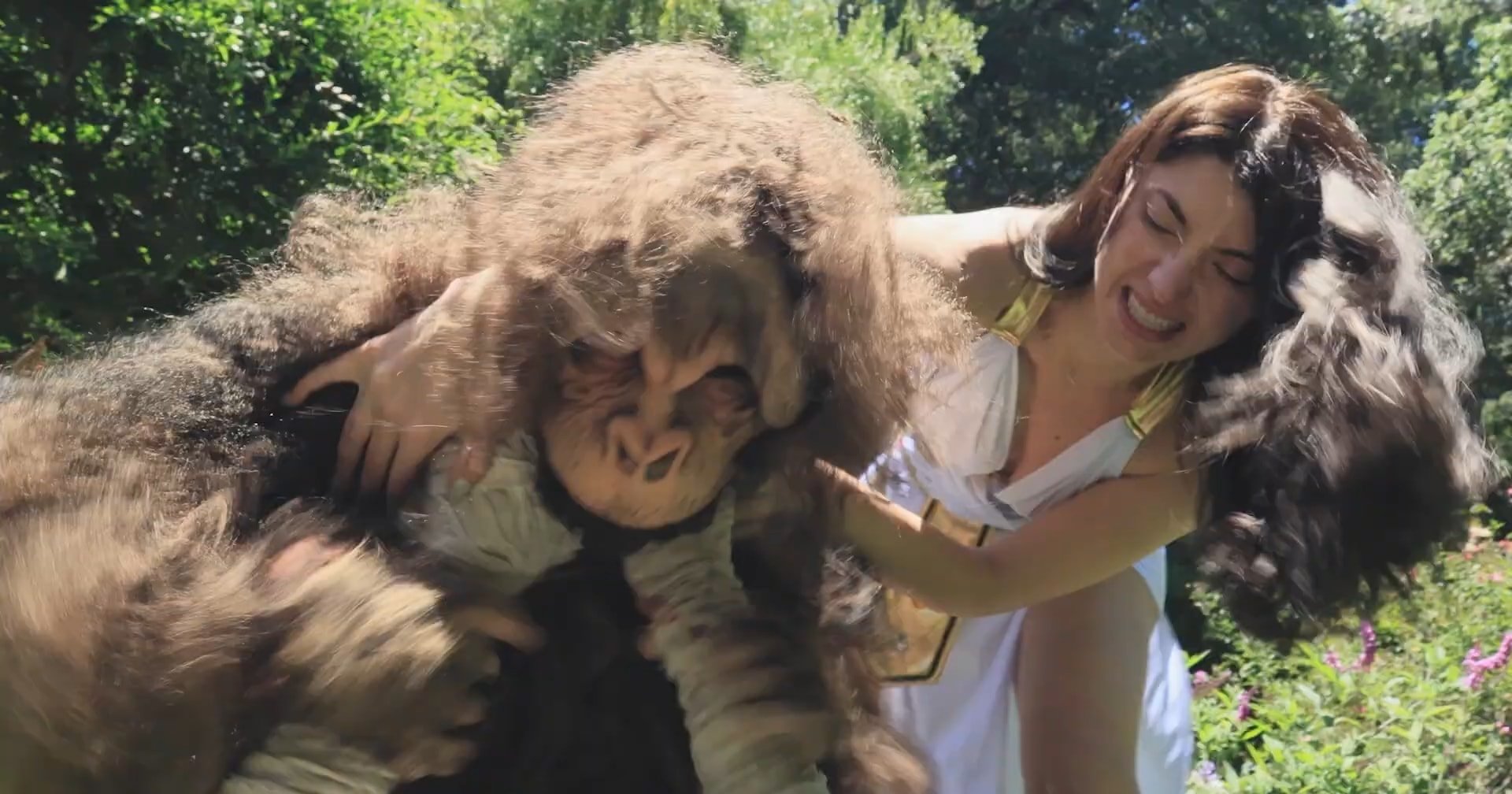
Murders in the Rue Morgue (1932) In 19th-century Paris, a mad scientist conducts grotesque experiments involving apes and humans, loosely based on Edgar Allan Poe’s story.
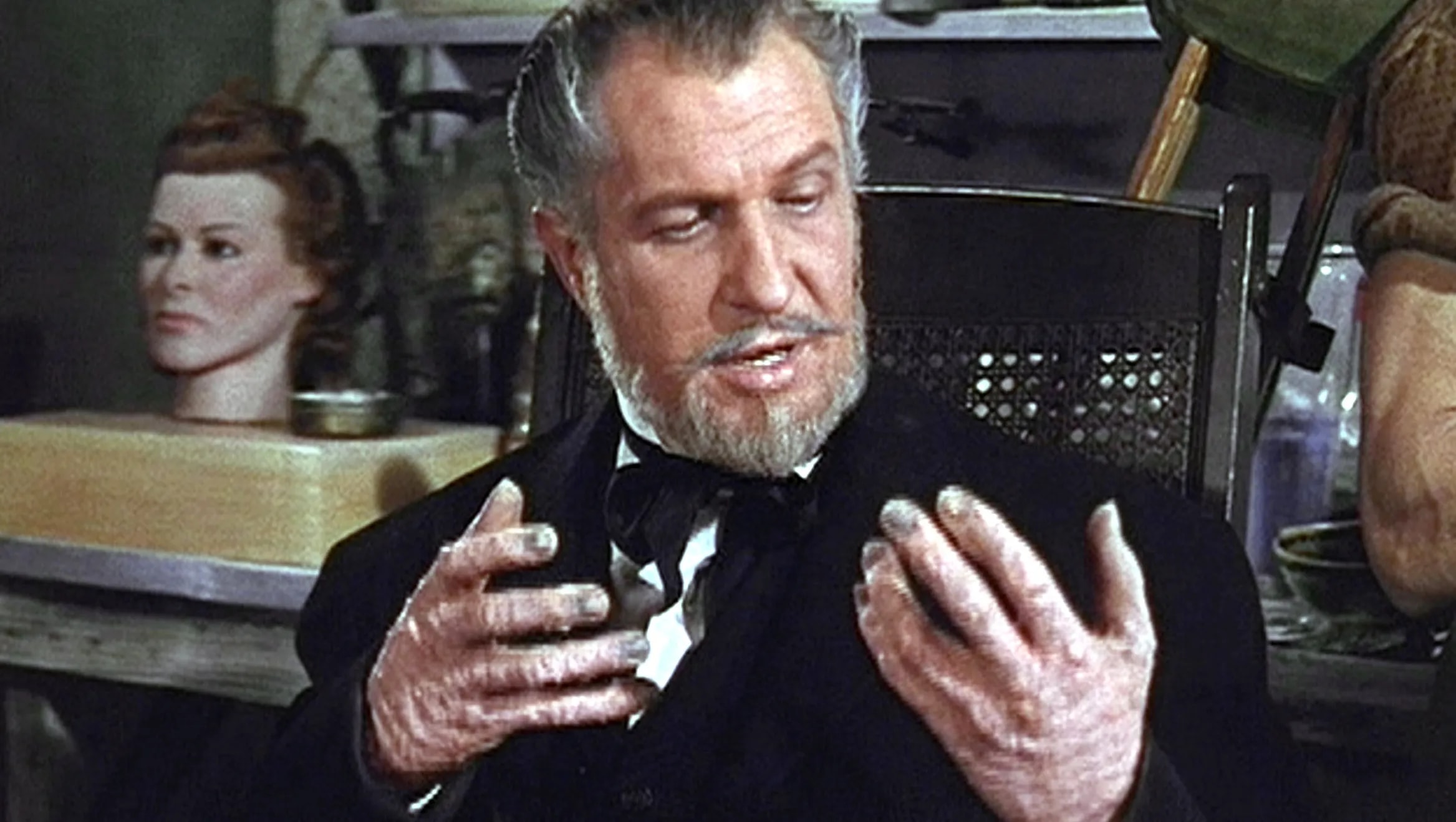
House of Wax (1953) After his wax museum is destroyed in a fire, a disfigured sculptor (Vincent Price) rebuilds it using the corpses of his murder victims as the models for his figures.
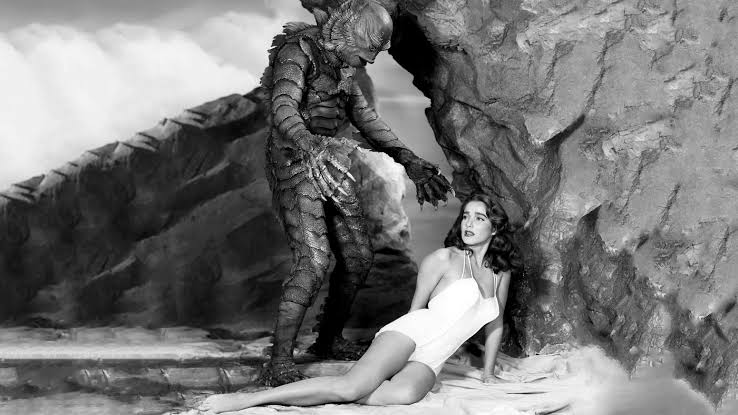
Creature from the Black Lagoon (1954) A scientific expedition in the Amazon discovers a prehistoric amphibious humanoid that begins attacking the crew.
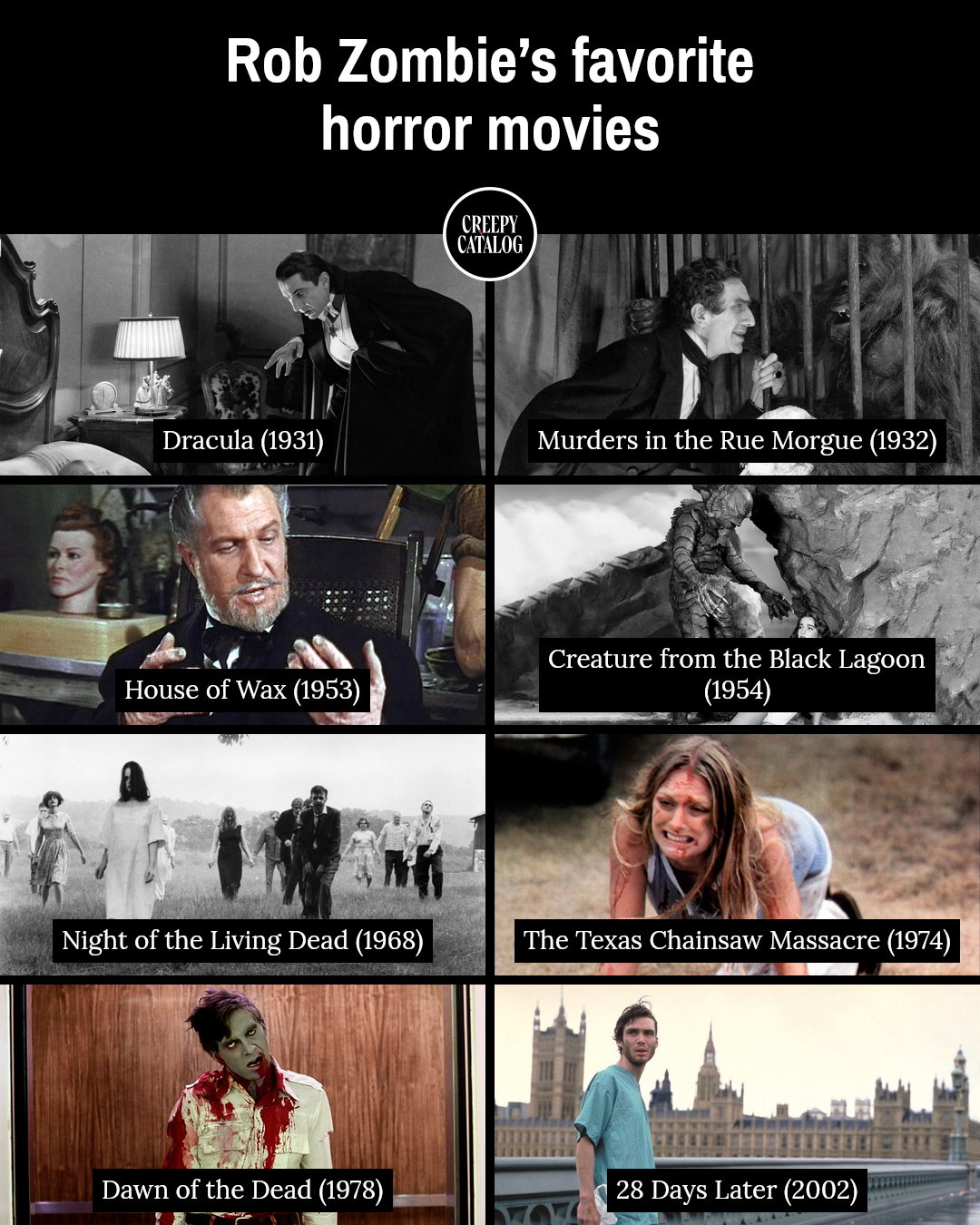
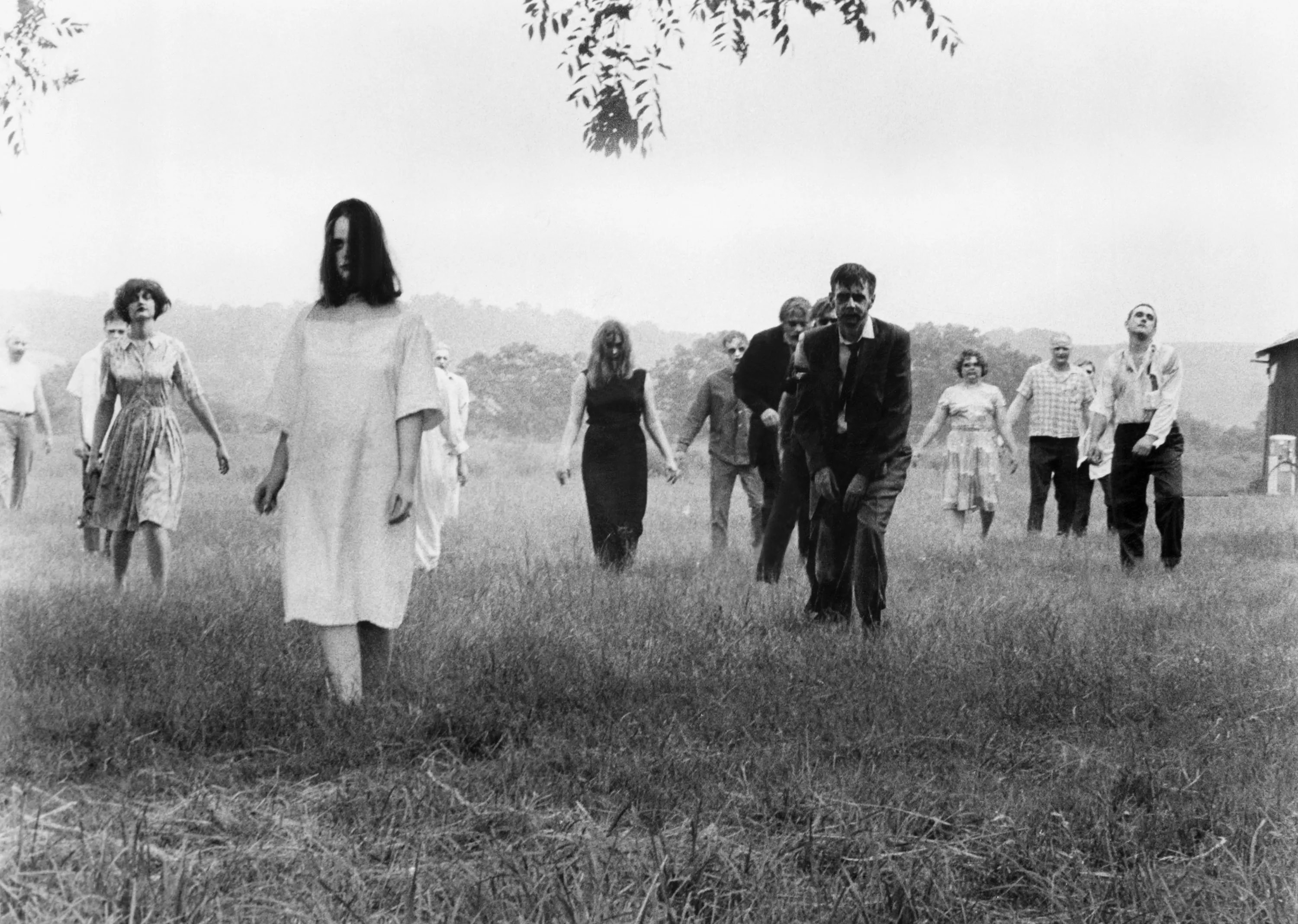
Night of the Living Dead (1968) A group of strangers barricade themselves inside a rural farmhouse as reanimated corpses rise and relentlessly attack the living.
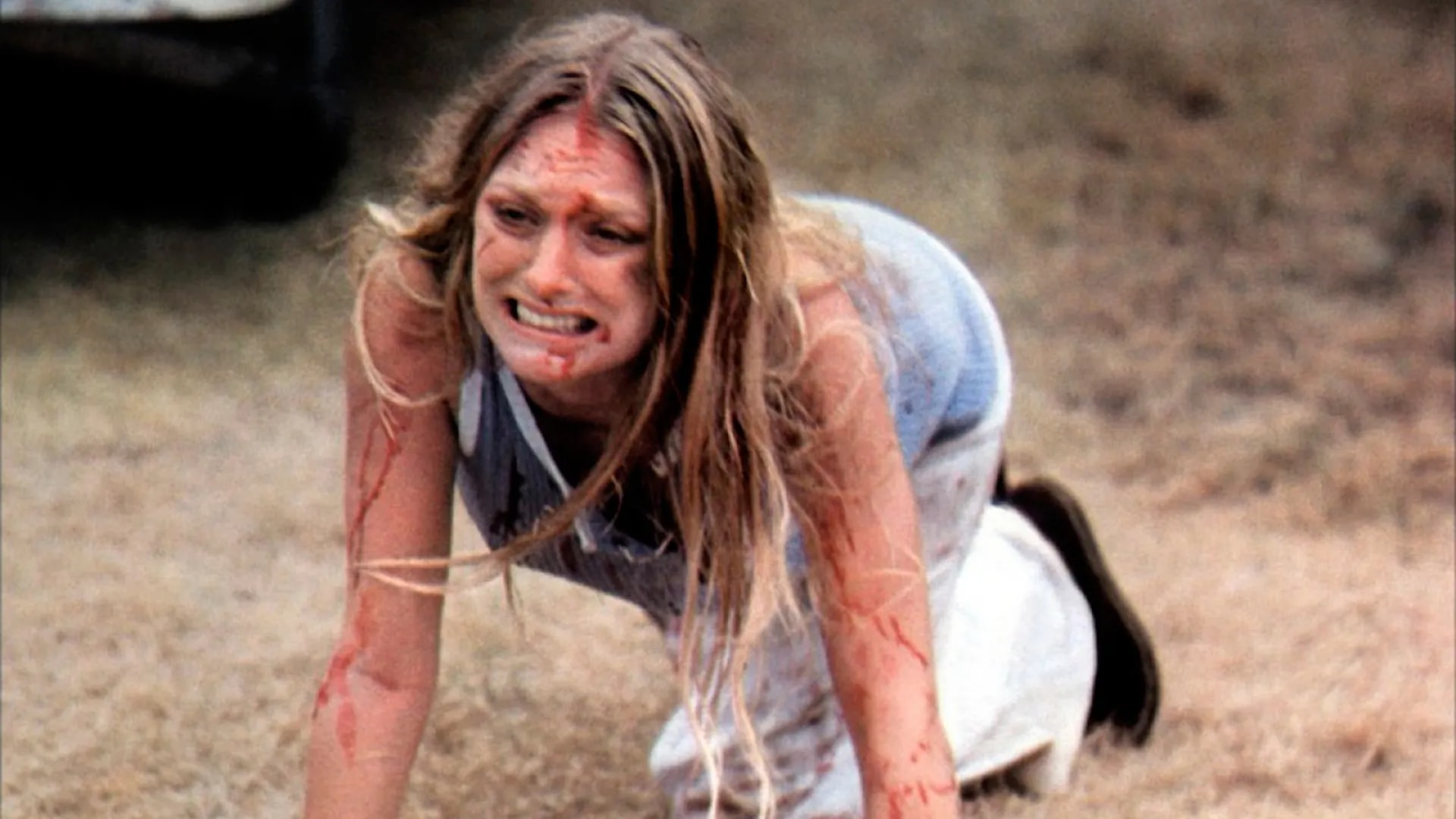
The Texas Chainsaw Massacre (1974) A group of young travelers in rural Texas is stalked and slaughtered by a family of cannibals, including the chainsaw-wielding Leatherface.
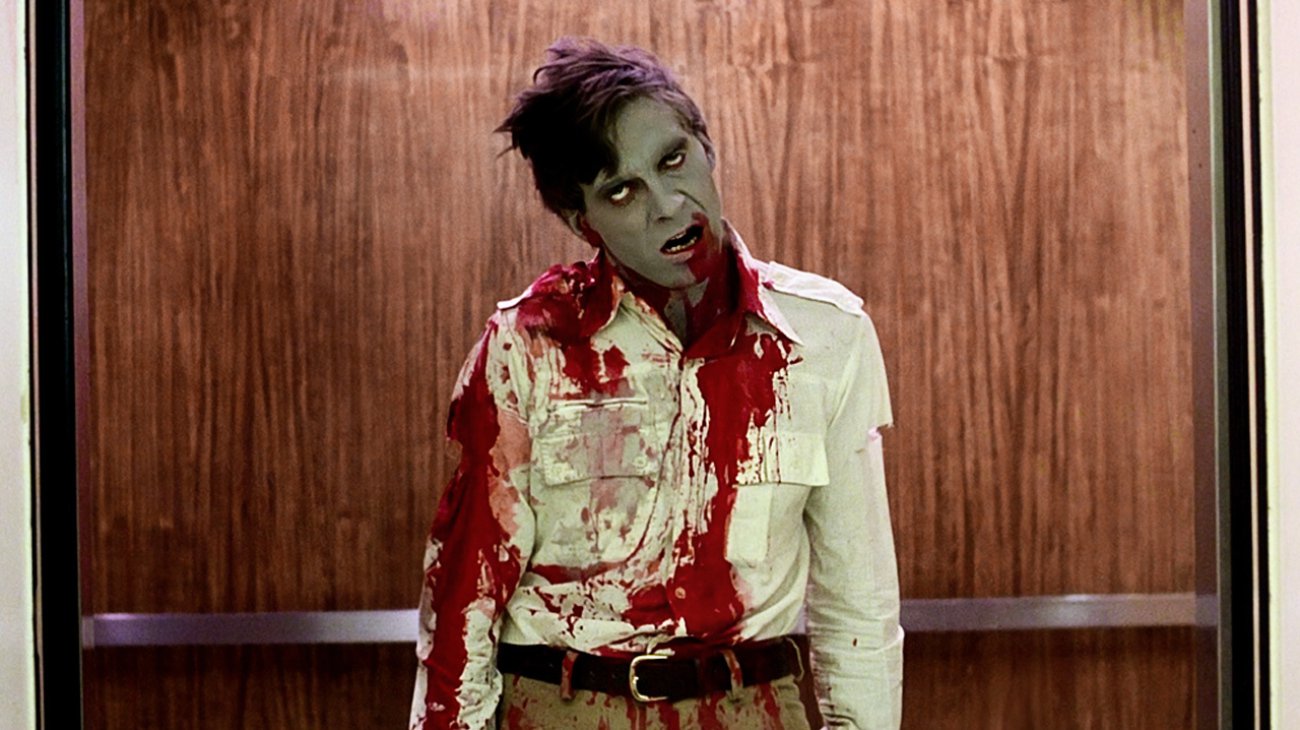
Dawn of the Dead (1978) Survivors of a zombie outbreak take refuge in a shopping mall, where they must confront both the undead outside and growing tensions within their group.
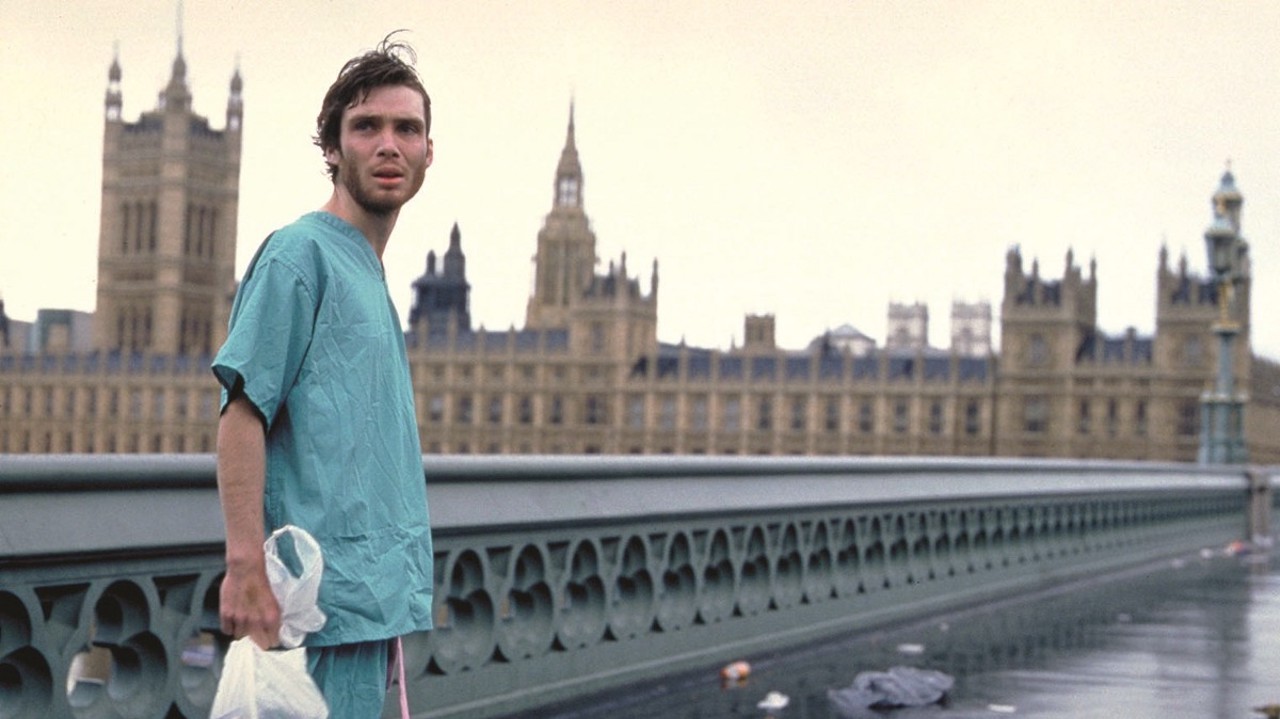
28 Days Later (2002) A man wakes from a coma to find London devastated by a highly contagious virus that turns the infected into violent, rage-driven attackers.
Lugosi, whose work particularly fascinates Zombie, stars in both Dracula and Murders in the Rue Morgue. Zombie’s enthusiasm for that period also comes with a complaint about what followed: “When you watch movies from the 1940s, they seem so tame and so dry, but everything from the ’30s is just amazing.”