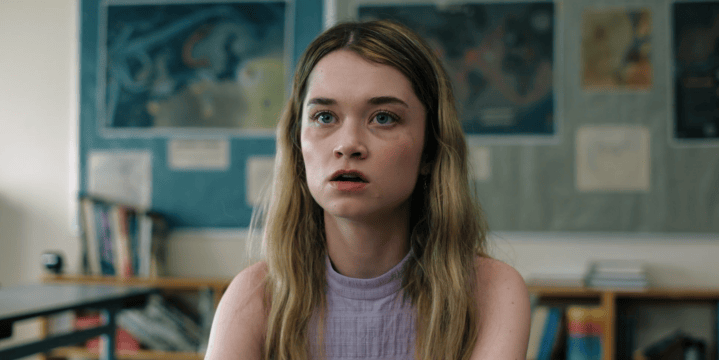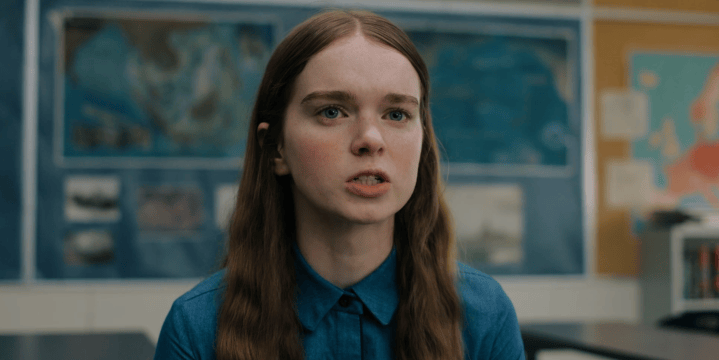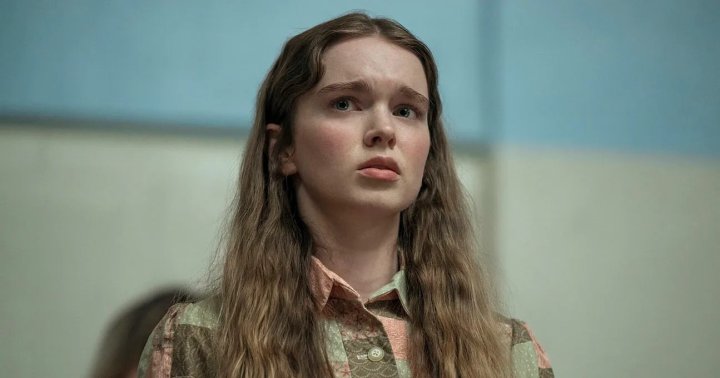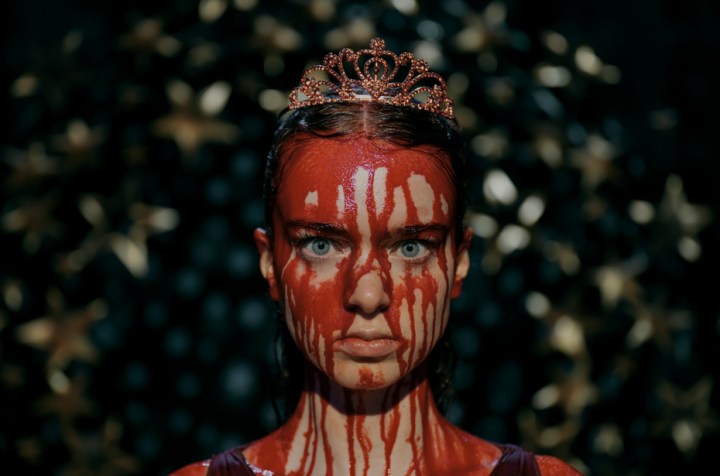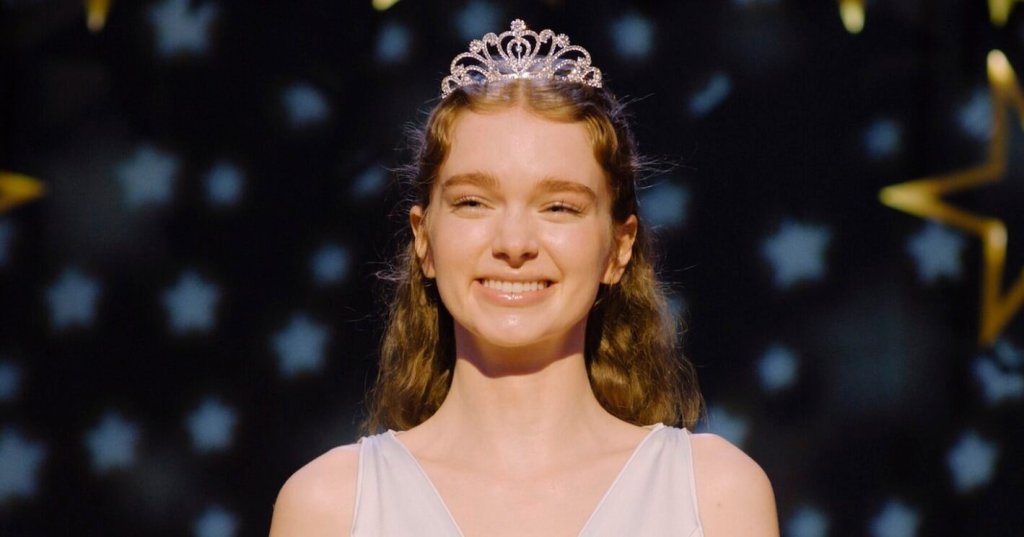
Every time Carrie White gets a new adaptation, the same complaint comes back like clockwork: she’s supposed to be ugly.
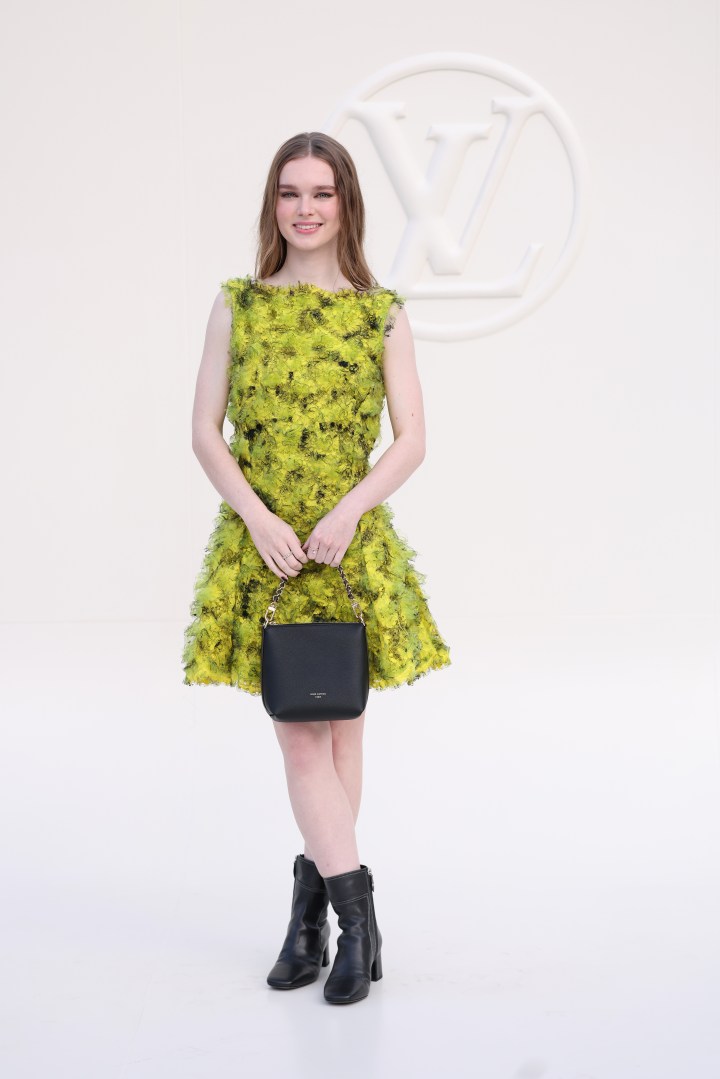
In Stephen King’s novel, Carrie is a dowdy, pimply outcast, a girl who looks wrong to everyone around her long before anything supernatural happens. And yet the actresses who’ve played her are Sissy Spacek, Chloë Grace Moretz, and now Summer H. Howell, who leads Mike Flanagan’s eight-episode series that premiered October 7 on Prime Video. Every one of them is stunning. The criticism isn’t wrong, exactly. It’s just aimed at something Hollywood was never going to do.
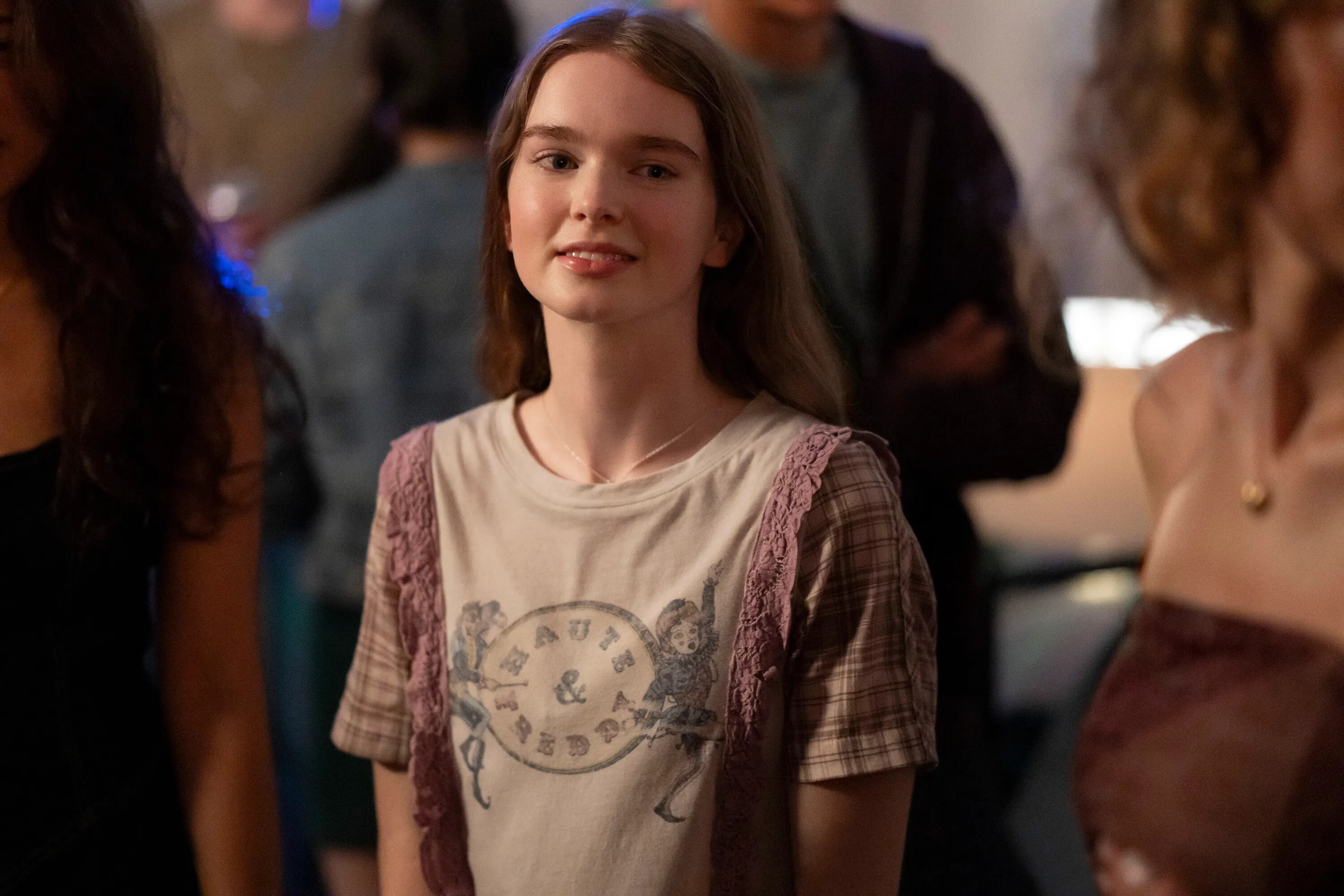
The unspoken rule is that studios don’t cast unattractive leads. The assumption is that audiences won’t want to spend two hours, let alone eight episodes, looking at someone who isn’t conventionally beautiful. So “ugly” on screen is a costume: glasses, a frumpy cardigan, a bad haircut, maybe a strategically placed pimple. Television even built a show around the trick, casting a conventionally gorgeous actress in braces and oversized glasses and calling her Ugly Betty. When Hollywood does want real unattractiveness, as with Charlize Theron in Monster, it takes a dramatic physical transformation, and the transformation is the headline.
Honestly, we’re lucky. The alternative is a megawatt star like Sydney Sweeney in glasses and overalls, solemnly informing us she’s the school pariah. We’ve all seen that movie, and nobody believes it for a second.
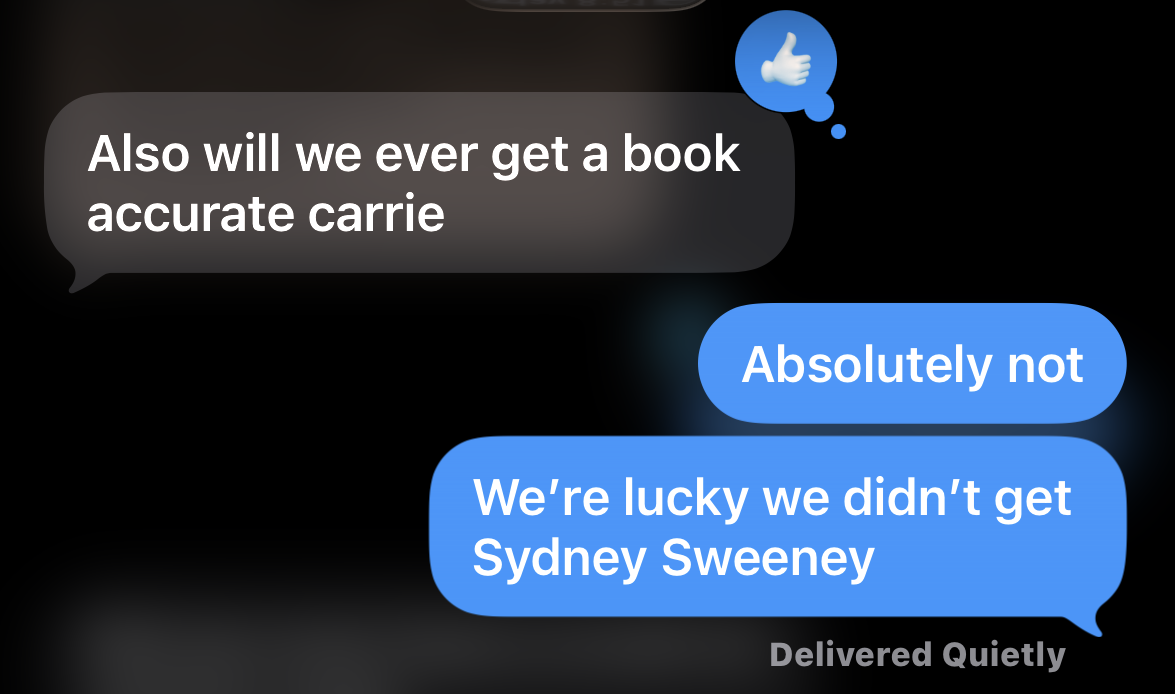
It’s also worth asking how much the looks matter here. The case that they do: part of what makes Carrie sting is how appearance works as a weapon in teenage cruelty, and if no one in the audience would pick her out as an outcast, the bullying can start to feel arbitrary. The case that they don’t: Carrie isn’t tormented because of a bad complexion. She’s tormented because she’s strange, sheltered, and raised by a religious fanatic, which is why the book has always been about how a group decides someone doesn’t belong. And this adaptation isn’t even trying to be faithful. Flanagan has said he doesn’t see the point in a faithful retelling, since he considers De Palma’s 1976 film a beautiful, faithful adaptation already. His version is a contemporary reimagining built around viral bullying and social media cruelty, and he describes his Carrie as open, earnest, curious and kind. Stephen King himself has praised the series, particularly for what it says about social media. Arguing about whether she’s ugly enough is a fight over faithfulness the show never promised.
So could Hollywood be right that audiences wouldn’t watch a genuinely plain Carrie? They might be.
That’s the uncomfortable part, and it says more about us than about the studios. But maybe the better ask was never an ugly Carrie. It’s a Carrie whose story doesn’t hinge on whether we’d find her pretty.