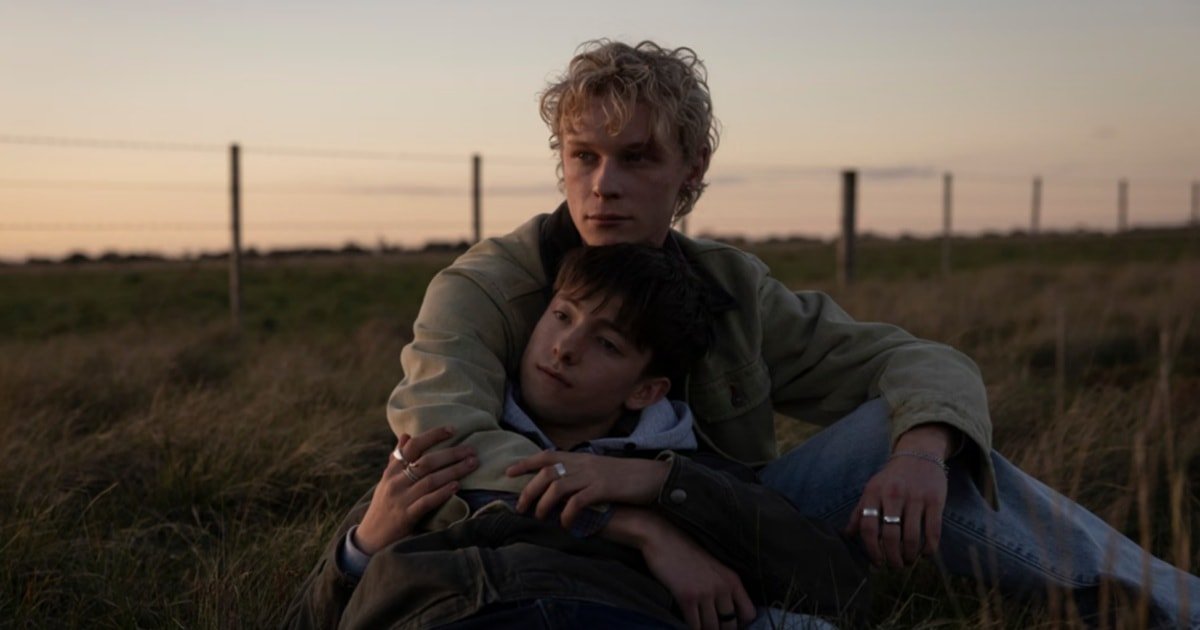
At its heart, “Leviticus” is a love story — one so tender and so charged that it becomes the very thing that can kill you. The 2026 Australian film, the debut feature from director Adrian Chiarella, follows Naim, a grieving teenager who moves to a devout evangelical town and falls, quietly and completely, for a local boy named Ryan. What begins as the ache of first love — the stolen glances, the pull toward someone you’re not supposed to want — is exactly what the town sets out to destroy.
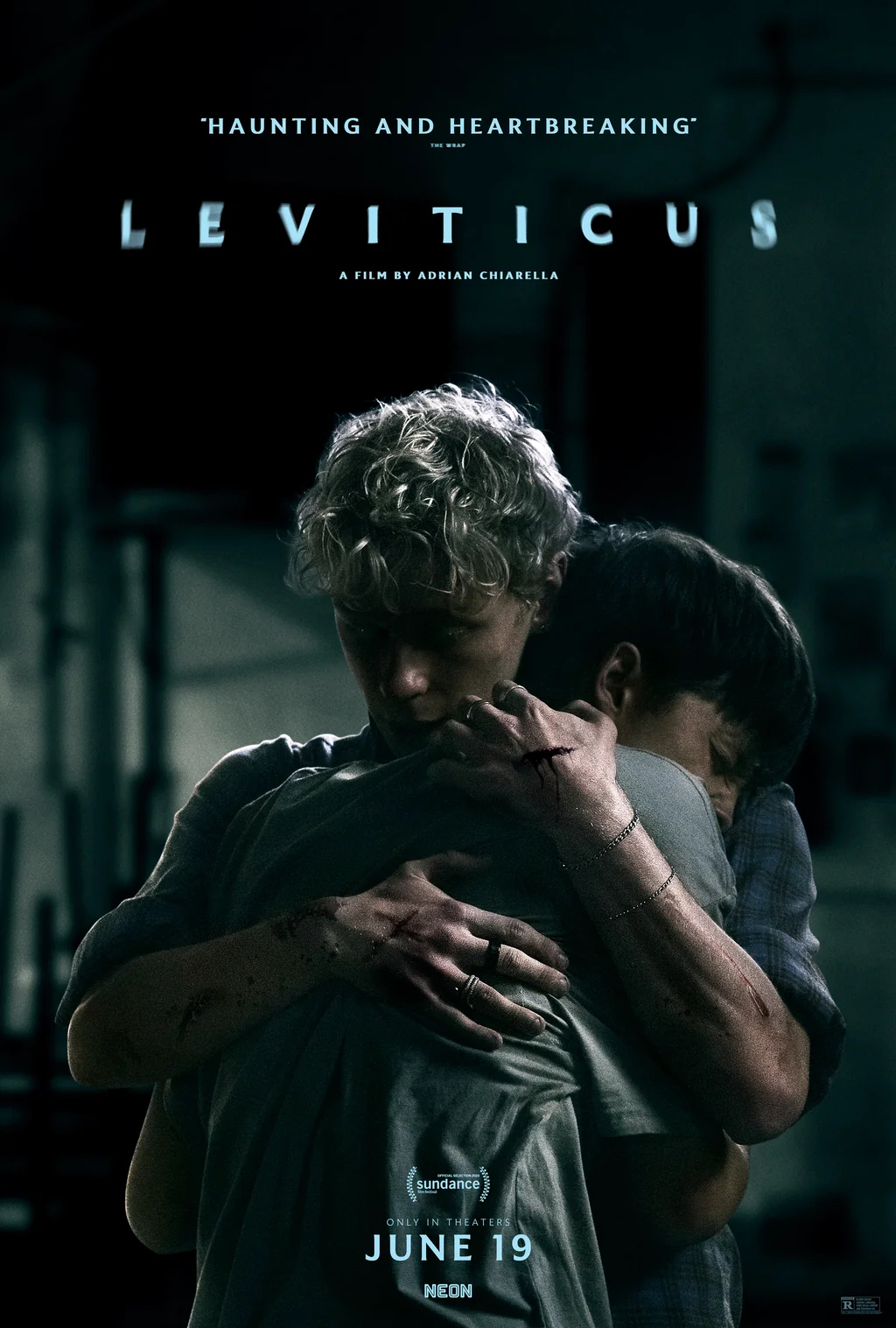
When Ryan and the pastor’s son are dragged into a “deliverance” ritual meant to purge their desires, the yearning they carry doesn’t vanish. It’s turned against them. Both boys are marked by an entity that convulses, strangles, and mutilates its targets. The pastor’s son turns up decapitated in a field.
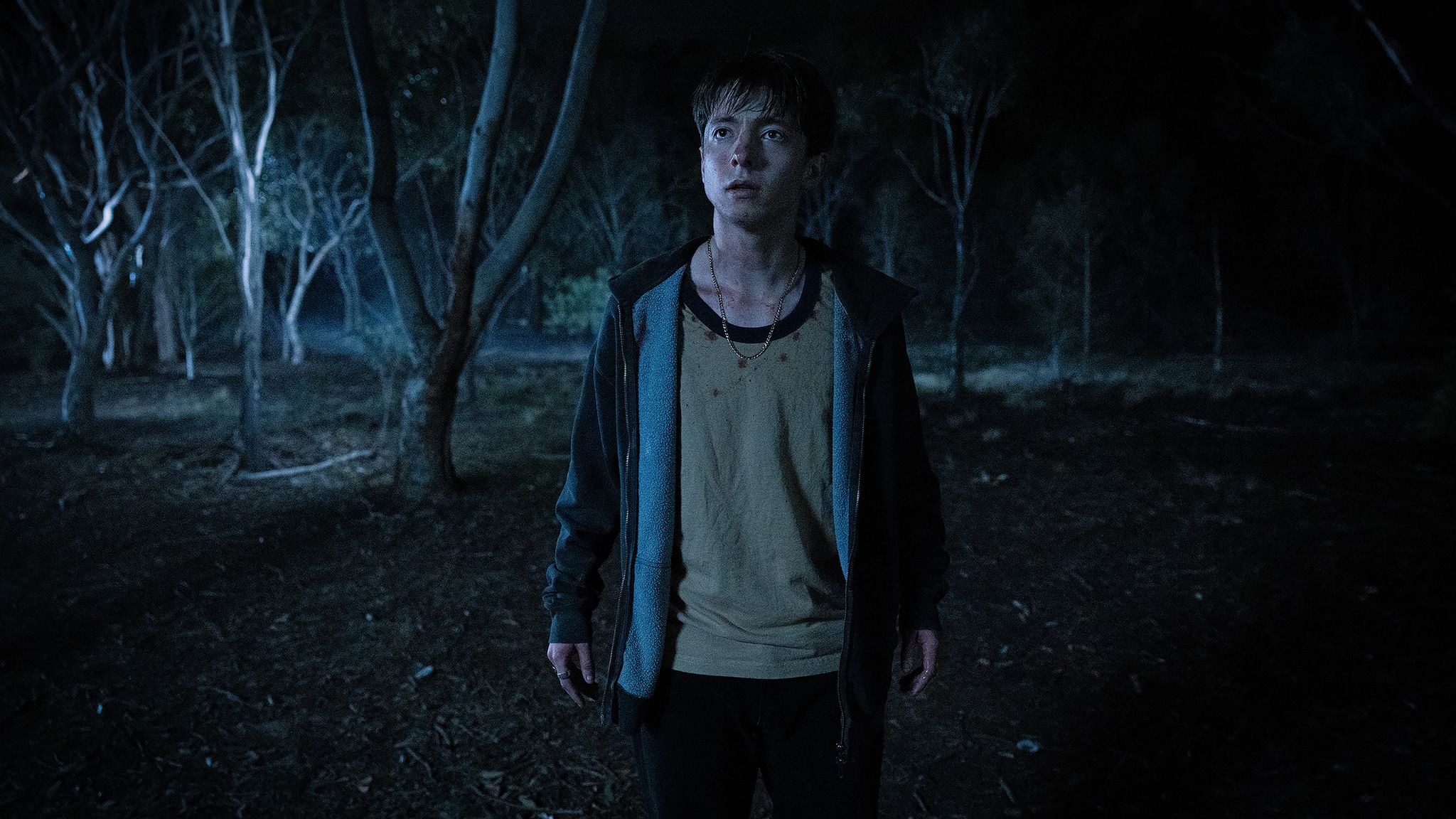
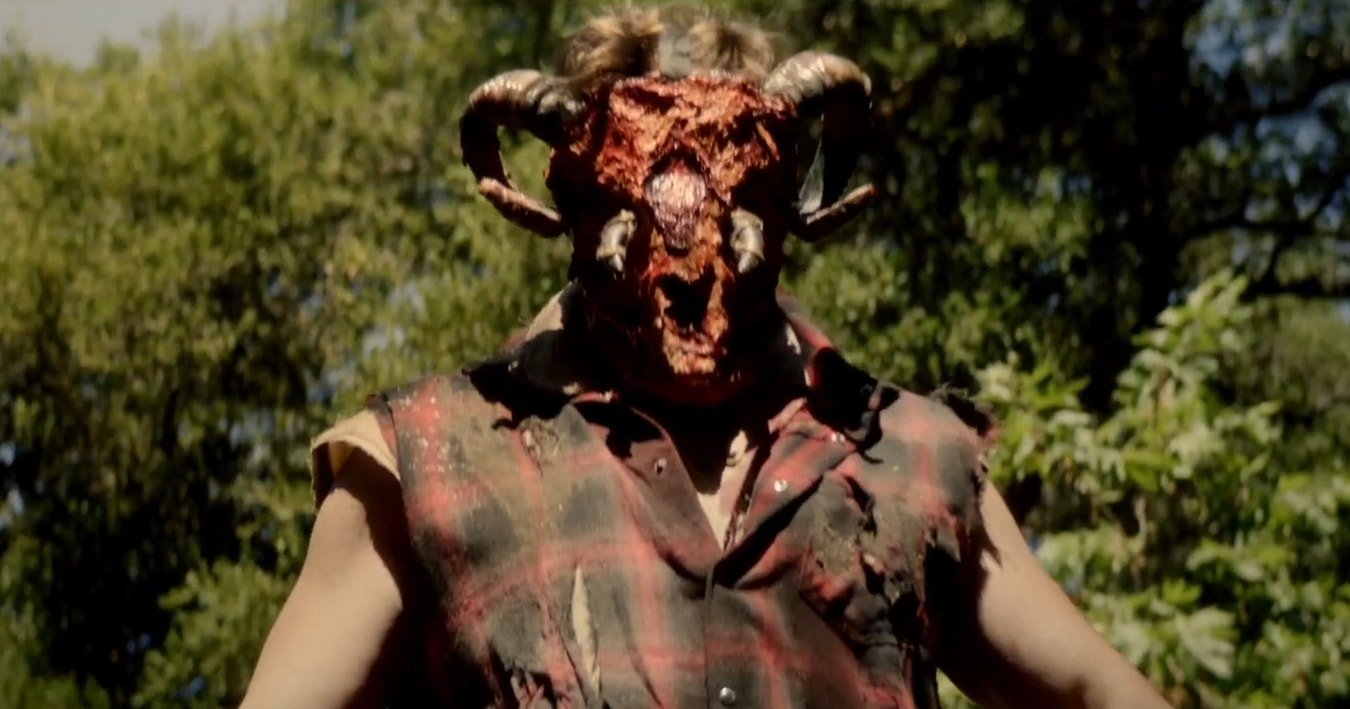
This is where “Leviticus” reveals itself as romantic horror in the truest sense. The monster is a shapeshifter, and it hunts each victim in the shape of the person they love most — appearing only when they’re alone, growing stronger over time, unstoppable. Desire becomes the thing stalking you. The face you long to see becomes the last face you’ll ever see. The movie makes the intensity of wanting someone inseparable from the terror of being punished for it.
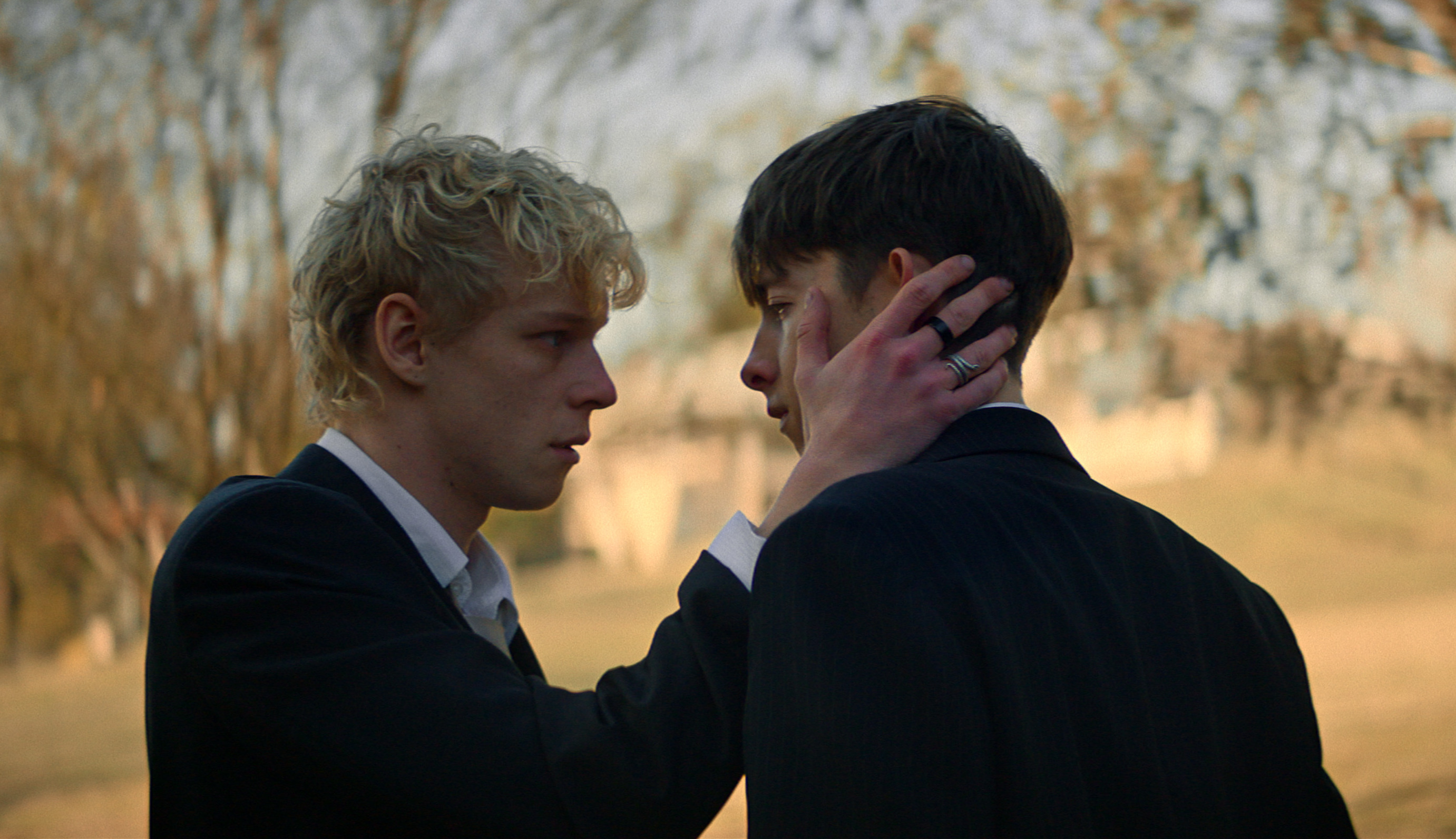
Chiarella has called the film a “queer social horror,” built in the tradition of “It Follows” and “The Witch,” where the thing chasing you is inseparable from the thing you’re told to be ashamed of. Conversion therapy becomes the engine of the nightmare, but the beating center is the love it tries and fails to erase.

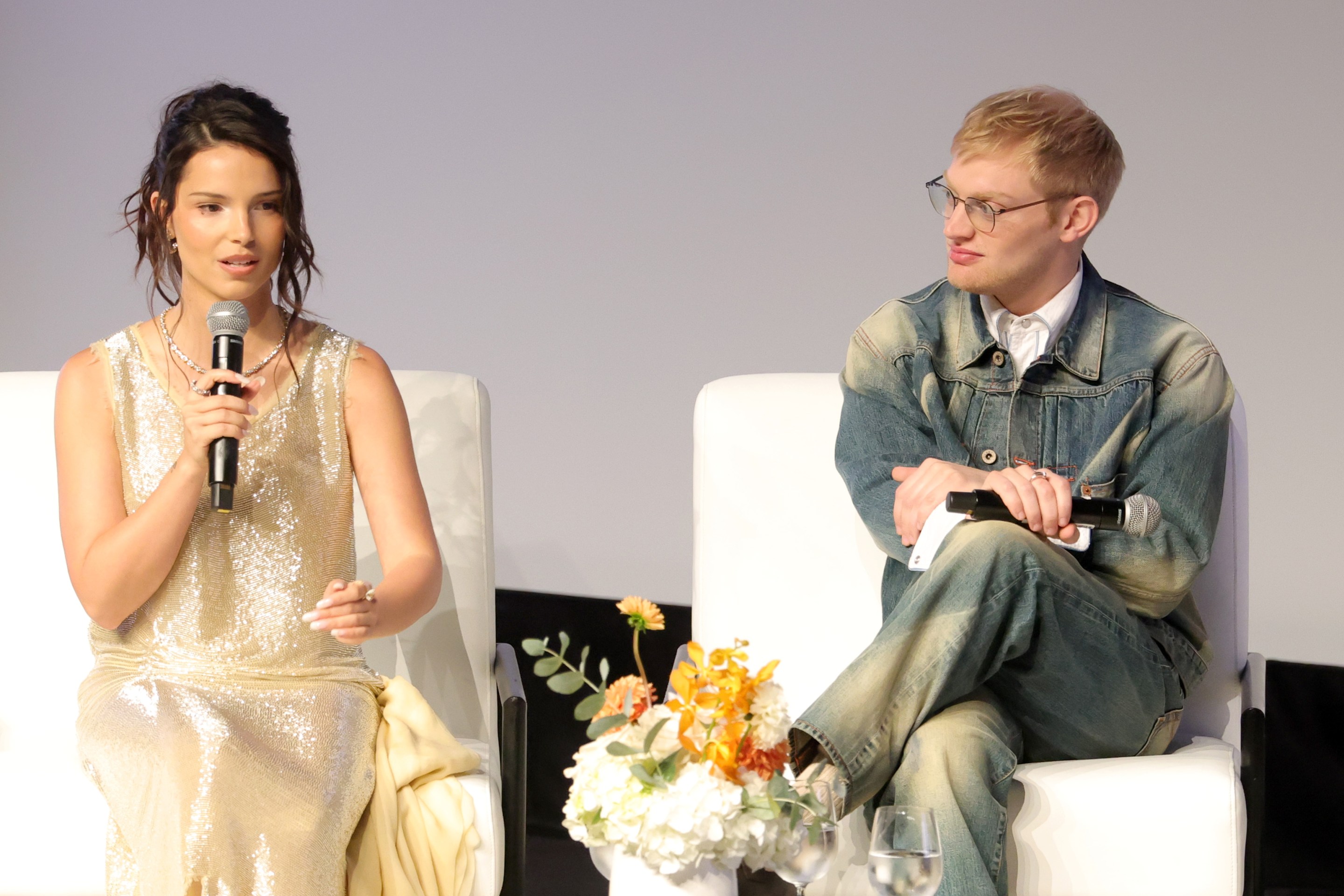
Critics have been on board: it holds a 92% on Rotten Tomatoes and an 83 on Metacritic, with reviewers singling out leads Joe Bird and Stacy Clausen, who give the central romance its raw, aching pulse. Frank Ocean personally approved his song “Self Control” for the end credits — a track about wanting someone you can’t fully have — the first time he’s licensed his music for a film since 2019.