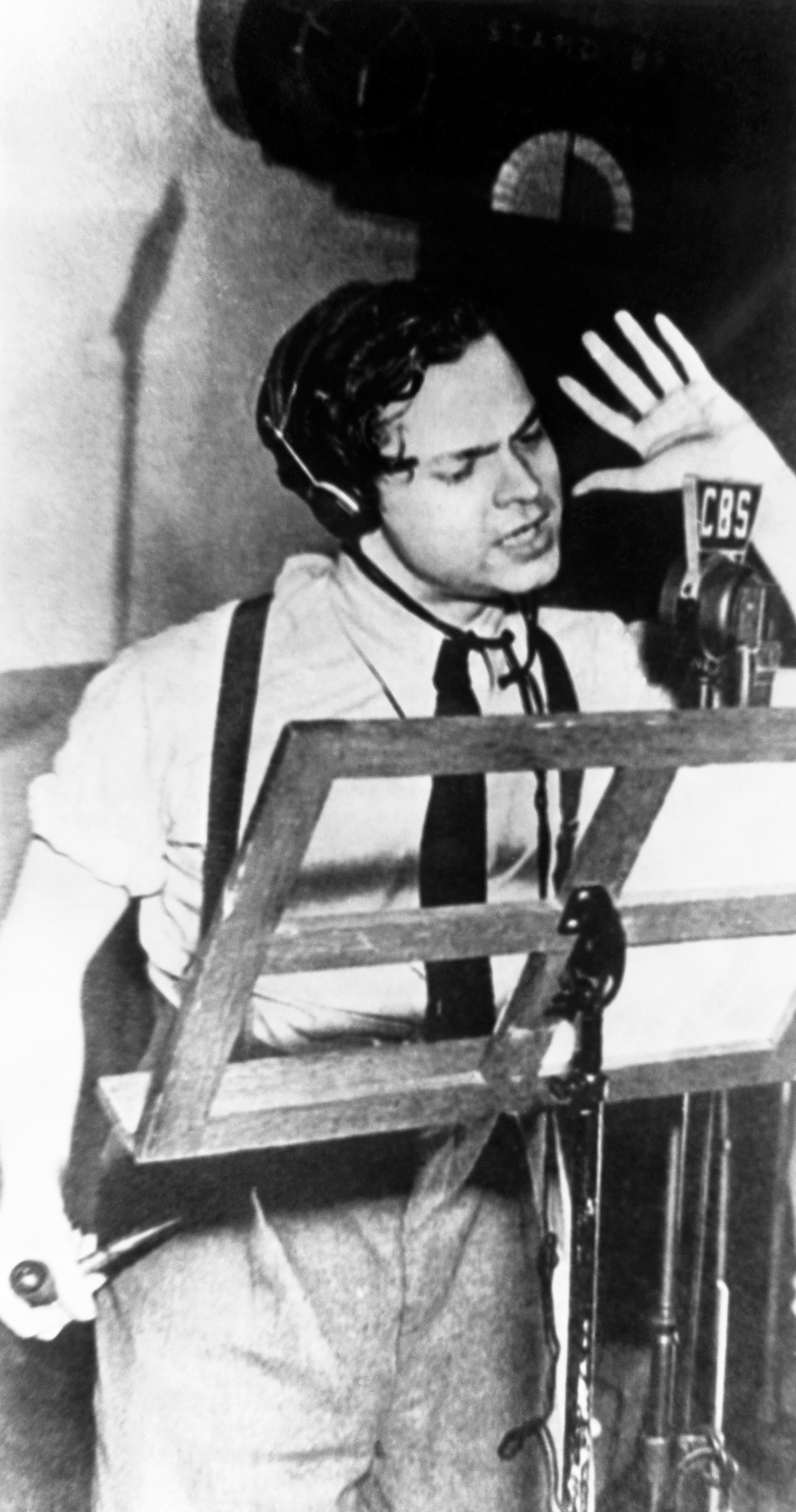
On October 30, 1938, Orson Welles’ War of the Worlds radio drama sent listeners into a panic with reports of a Martian invasion. People called police stations, newspapers and radio stations in fear after the broadcast made a fictional Martian attack sound like breaking news. Some had missed the announcements identifying The War of the Worlds as a radio play.
Welles was 23 when he directed and narrated the hour-long adaptation of H.G. Wells’ 1898 novel for CBS’s The Mercury Theatre on the Air. After an introduction explaining that it was a dramatization, dance music gave way to urgent bulletins about activity on Mars and an object landing near Grovers Mill, New Jersey.
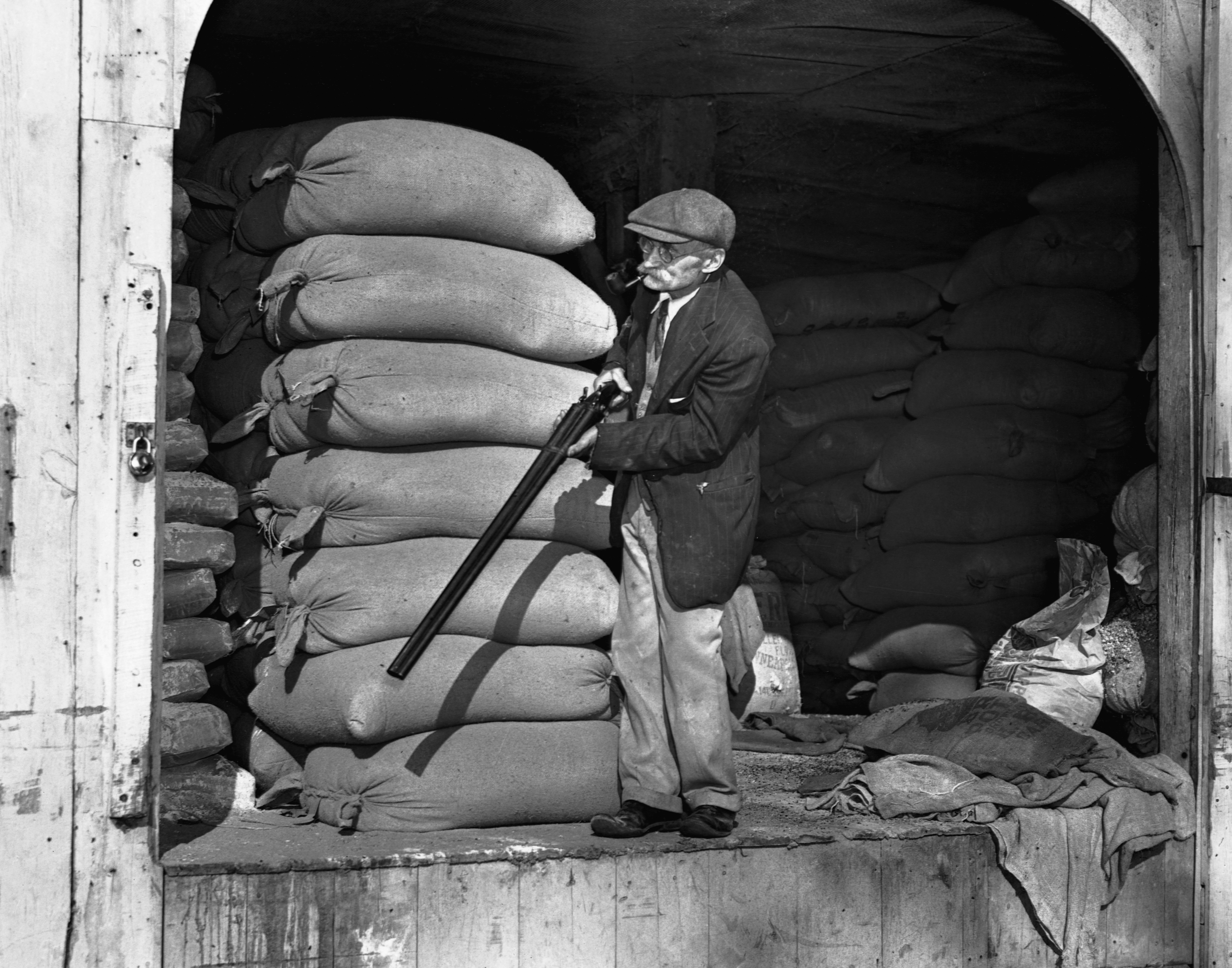
The imagined emergency escalated into accounts of invaders using heat rays and poison gas. Actors played journalists and government officials, including a Secretary of the Interior, while sound effects helped sell the unfolding disaster.
Anyone joining after the introduction could miss the setup. The program identified itself as fiction several times, including at intermission and at the end, but anxious calls still flooded switchboards in parts of the Northeast. Newspapers the next morning described people escaping their homes, roads filling with traffic and frightened listeners seeking medical care.
The broadcast’s reputation eventually grew far beyond the documented reaction. Later research found that relatively few radio listeners had tuned in; many more were listening to NBC’s Chase and Sanborn Hour, featuring Edgar Bergen and Charlie McCarthy.
Hospital records and listener surveys didn’t substantiate the sweeping panic described in early coverage. Confusion and fear were real, particularly around the supposed New Jersey landing site, while claims of nationwide hysteria, mass flight and multiple deaths were exaggerated.
Welles apologized at a press conference the next day and said he’d never meant to mislead listeners. The FCC investigated and imposed no punishment. The attention helped advance his career, including his opportunity to make Citizen Kane.