The nightmare of Resident Evil (2026) starts with something painfully ordinary: a guy who just wants to go home.
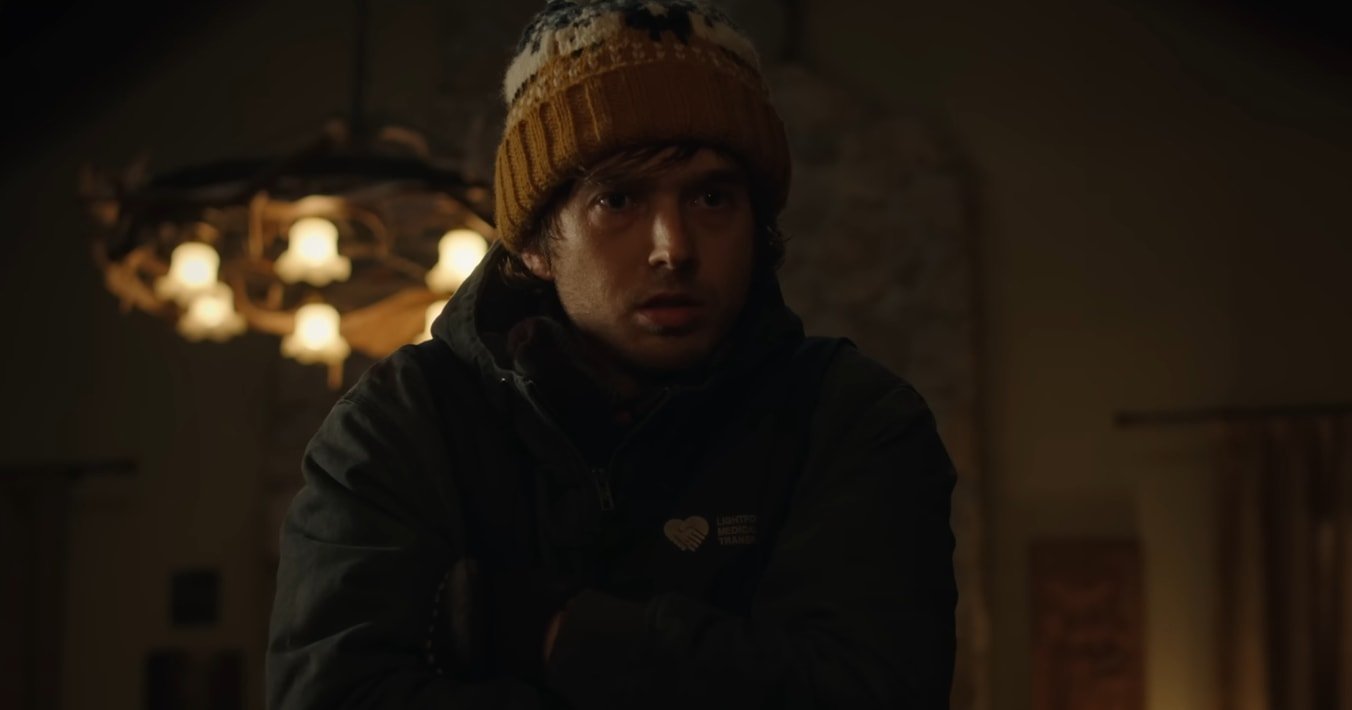
Austin Abrams’ character Bryan is a medical courier wrapping up his shift. He’s already tired. The staff at the hospital have been rude.
He’s dealing with a heavy phone call from his girlfriend. She’s pregnant, and he hasn’t processed it yet. All he wants is to clock out, get in his car, and drive home.
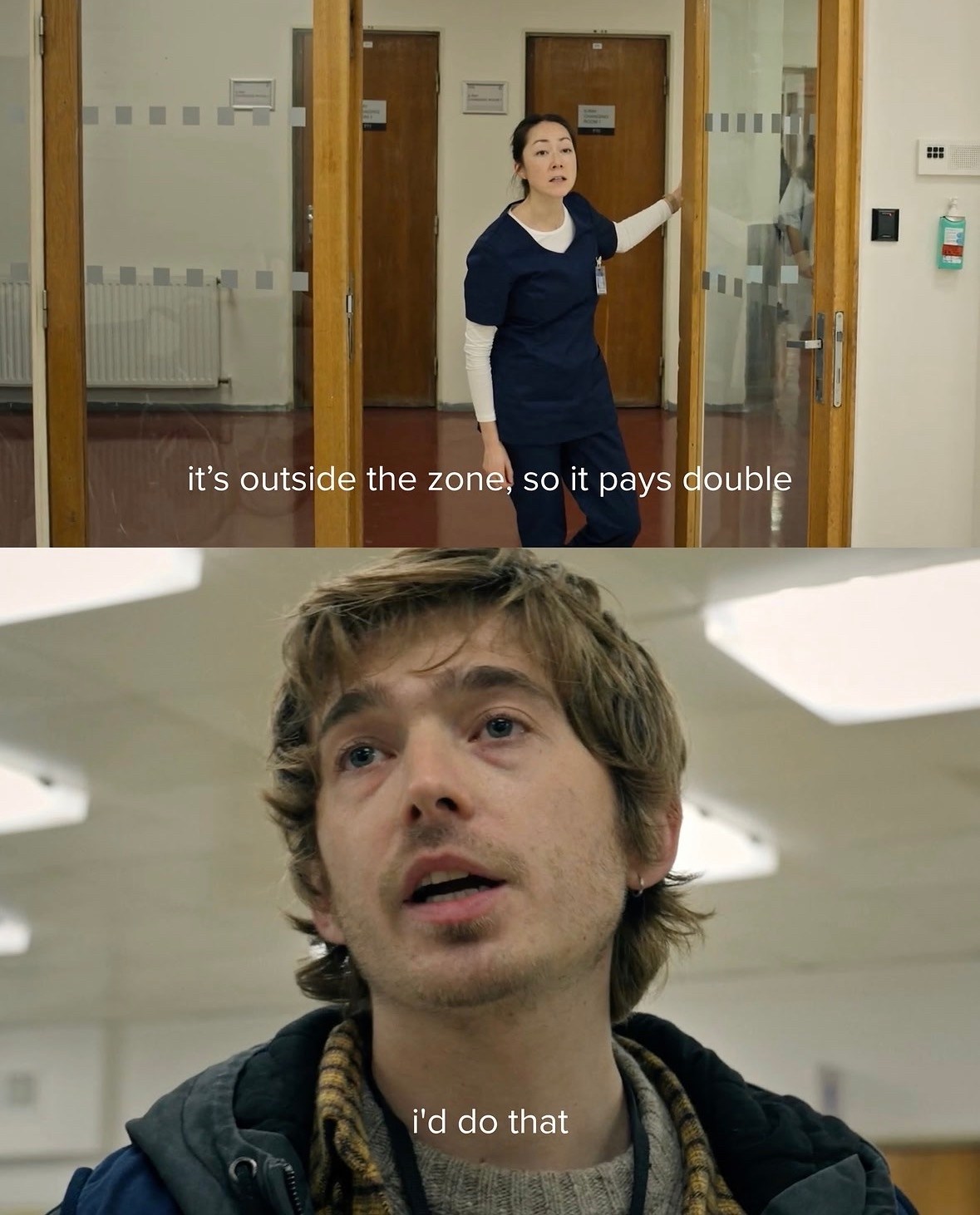
Then a doctor flags him down for one more run. It’s outside the zone, so it pays double.
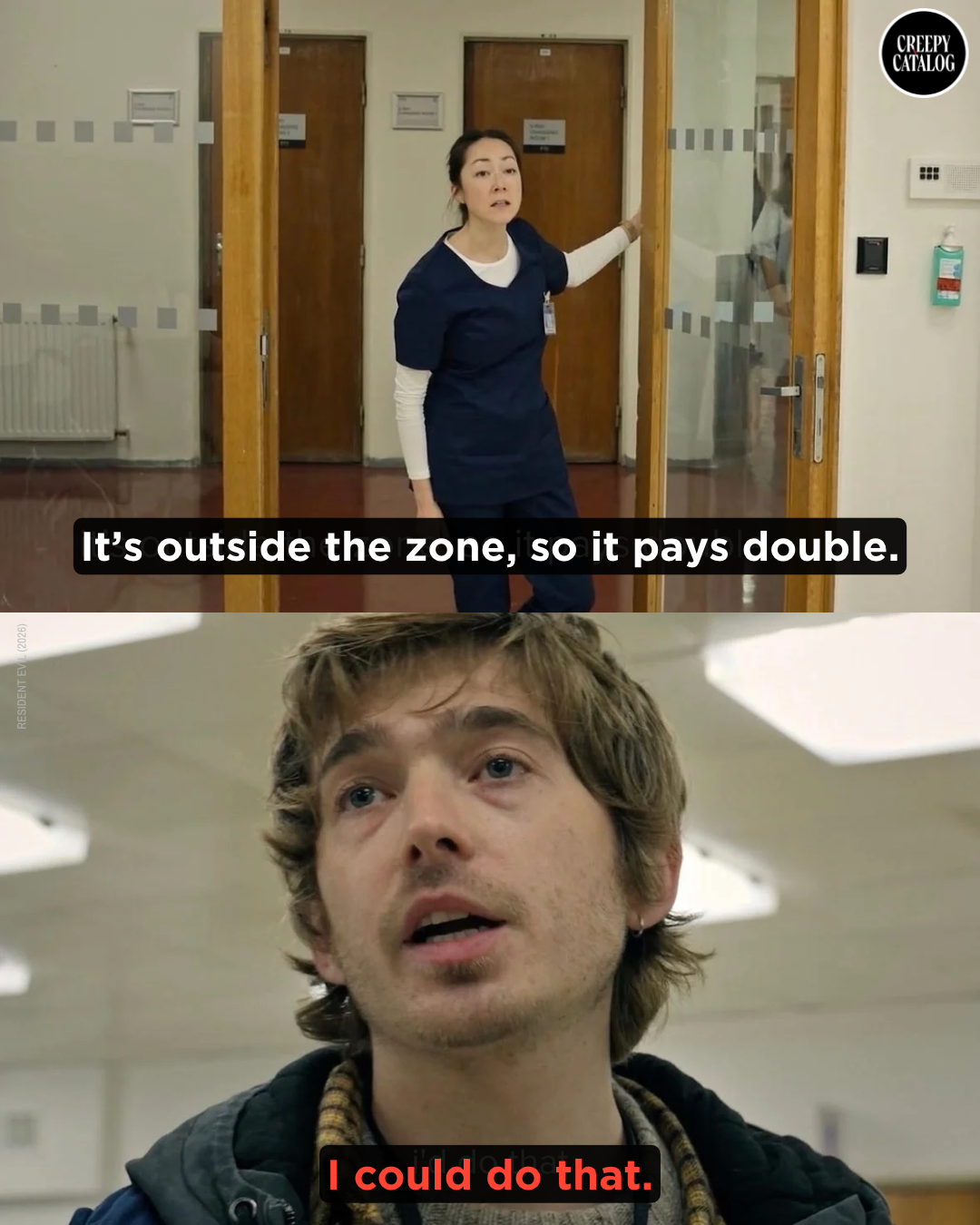
That’s the whole setup. There’s no destiny, no chosen one, no hero complex. Just an exhausted worker who hears “double pay” and says yes before he can talk himself out of it.
The roads are snowy. His car isn’t really equipped for it. His girlfriend is waiting. He has every reason to turn it down, but the bonus is right there, and for one night it feels worth it.
Anyone who’s ever stayed late for overtime, taken an extra shift they swore they wouldn’t, or said “I’ll just do this one last thing” knows exactly how he feels. You’re done. Your body is done. Your brain is already at home.
And then the extra money appears, and suddenly the smart choice and the easy choice stop being the same thing.
That single decision is what drops him on the road to Raccoon City General the night everything collapses. One last job. Double pay. Outside the zone.
By the time he realizes what he’s actually facing, and what’s already waiting on those mountain roads, there’s no going back. It’s the most relatable way a horror movie can begin, with a tired person who just wanted the night to be over and took the shift that changed everything instead.