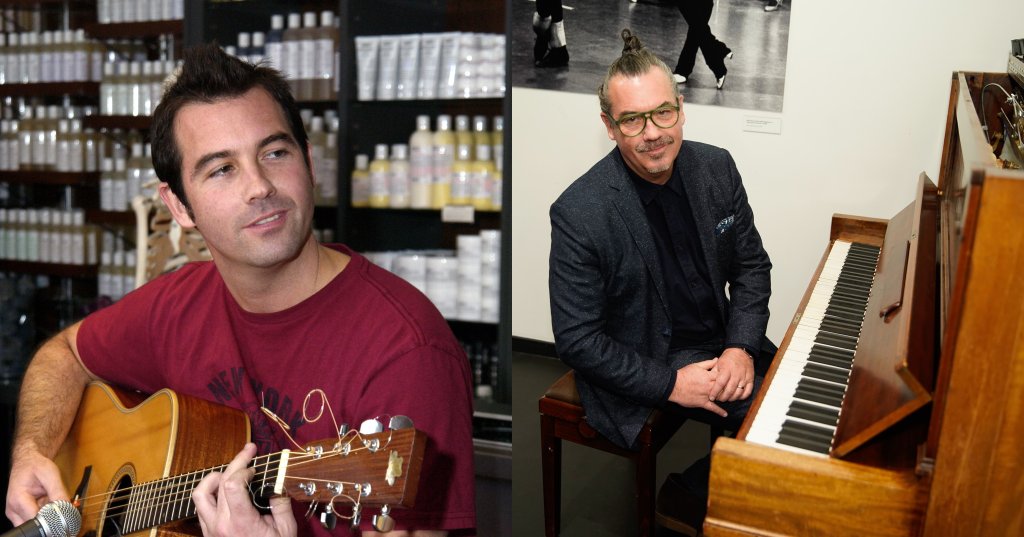
Duncan Sheik, the Grammy-nominated singer-songwriter who later reinvented himself as a Tony Award-winning Broadway composer, has died at 56. His mother, Suzanne Sheik, confirmed his death to The New York Times, saying he passed away Thursday from organ failure. Sheik had reportedly been hospitalized in critical condition earlier in the week, with an update posted to his Instagram account describing him as stable and receiving treatment before his death was announced days later. A spokesperson later confirmed the news publicly as well, calling him a singular and deeply influential voice in both music and theater.
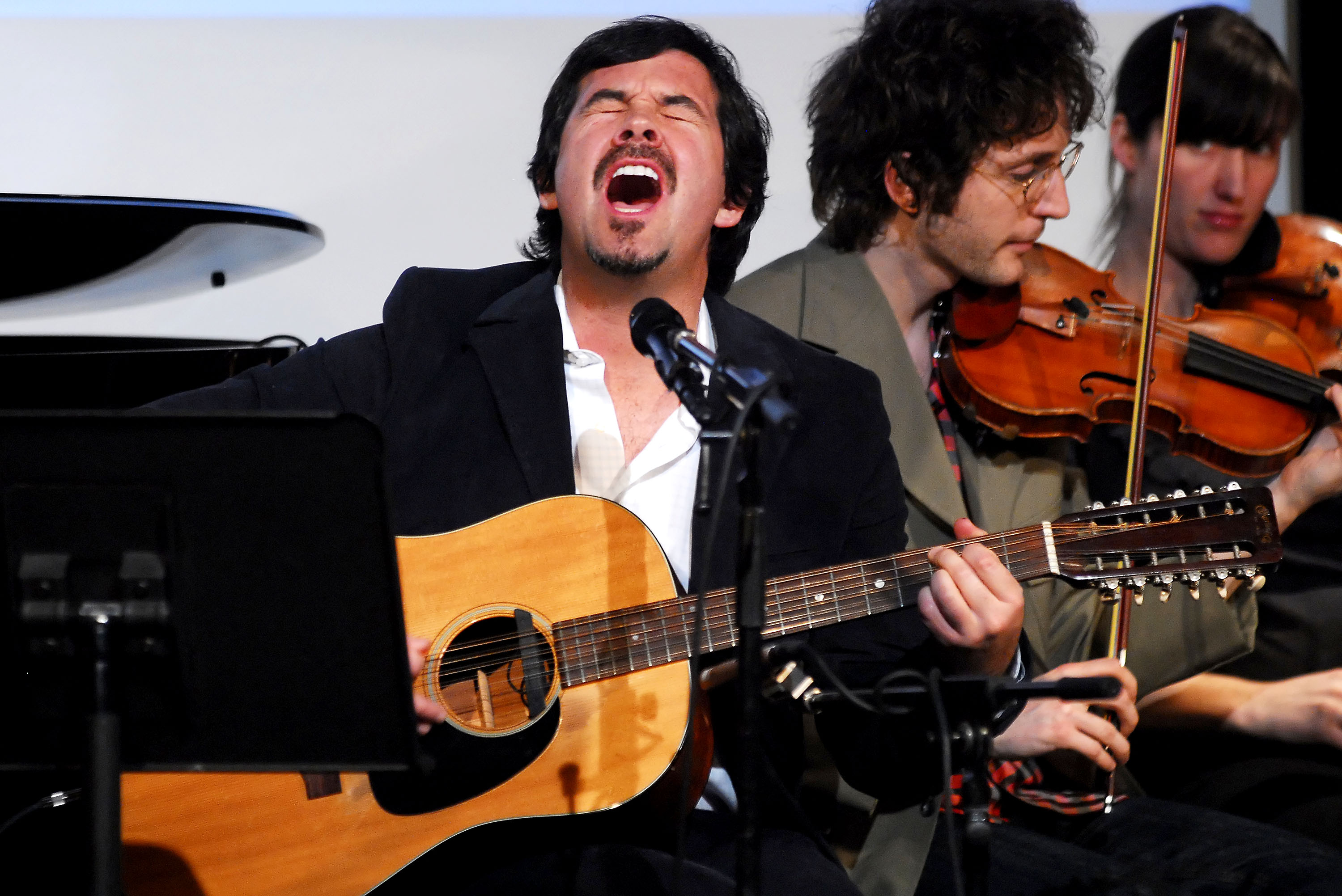
Born and raised in Montclair, New Jersey, Sheik came to music early, inspired in part by a Juilliard-trained grandmother who introduced him to the piano before he ever picked up a guitar. He attended Brown University, where he was briefly a bandmate of singer-songwriter Lisa Loeb before launching his own solo career. His self-titled 1996 debut album became his commercial breakthrough, propelled by the single “Barely Breathing,” which spent an unusually long 55 consecutive weeks on the Billboard Hot 100 and earned Sheik a Grammy nomination for Best Male Pop Vocal Performance. Even as that hit lingered on the charts, Sheik reportedly grew disillusioned with the music industry and began looking toward the stage for his next chapter.
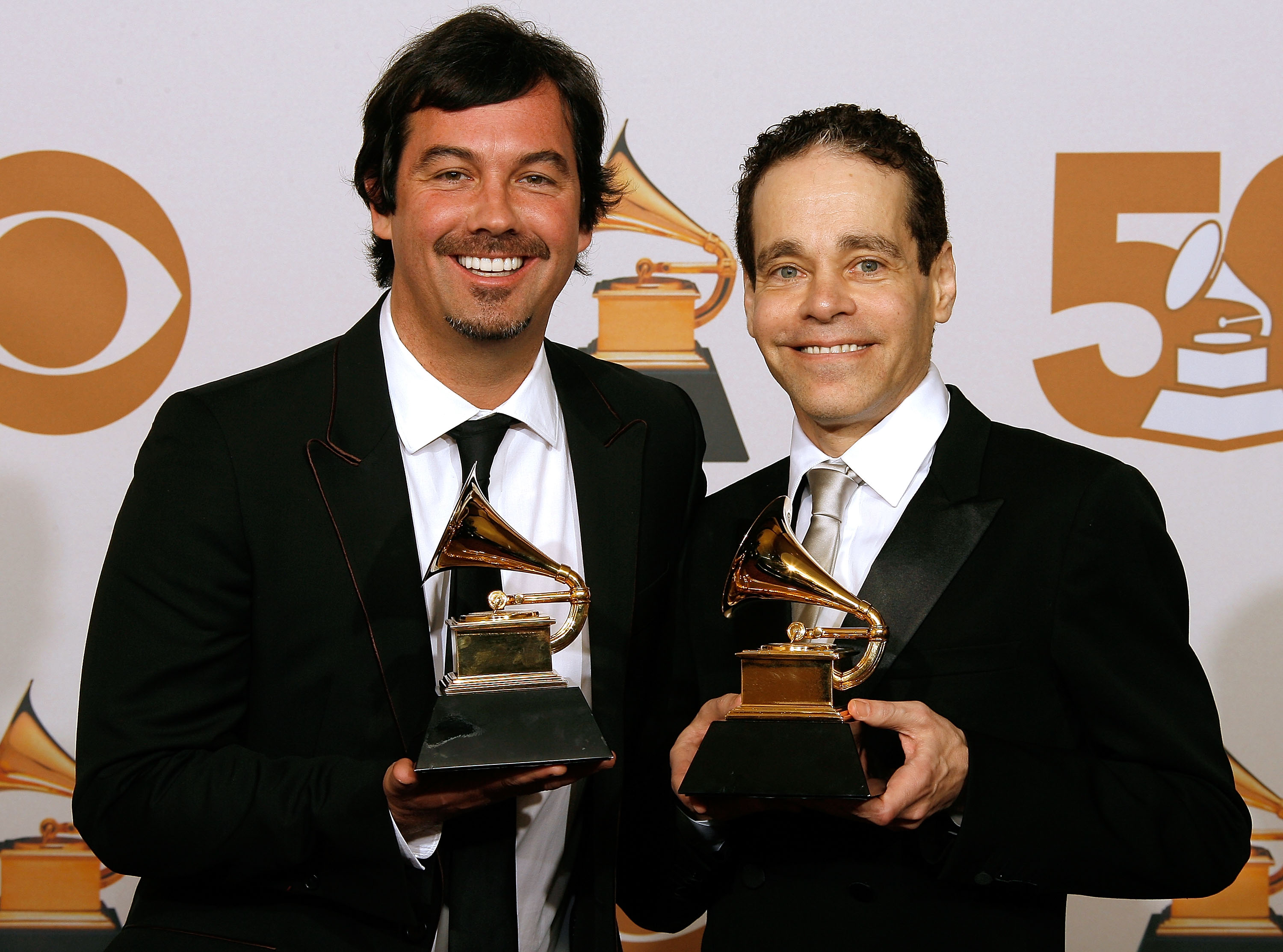
That pivot paid off substantially. Sheik became a fixture of the theater world with “Spring Awakening,” the envelope-pushing rock musical about teenage sexuality and repression that opened off-Broadway before moving to Broadway and winning multiple Tony Awards, including Best Original Score. It became the project most closely associated with his theatrical legacy, and a revival was reportedly in the works at the time of his death.
Sheik went on to write music for several other stage productions, including “Alice by Heart,” an adaptation of Lewis Carroll’s “Alice’s Adventures in Wonderland,” as well as “Because of Winn-Dixie” and “Noir.” Perhaps his most unexpected theatrical swing, though, was “American Psycho,” the 2013 stage musical based on Bret Easton Ellis’s controversial and violent 1991 novel about a homicidal, status-obsessed Manhattan banker, later famously adapted into the 2000 film starring Christian Bale. Sheik wrote both the music and lyrics for the show, which premiered at London’s Almeida Theatre before transferring to Broadway in 2016 and going on to further productions in Sydney, Chicago, and Houston.
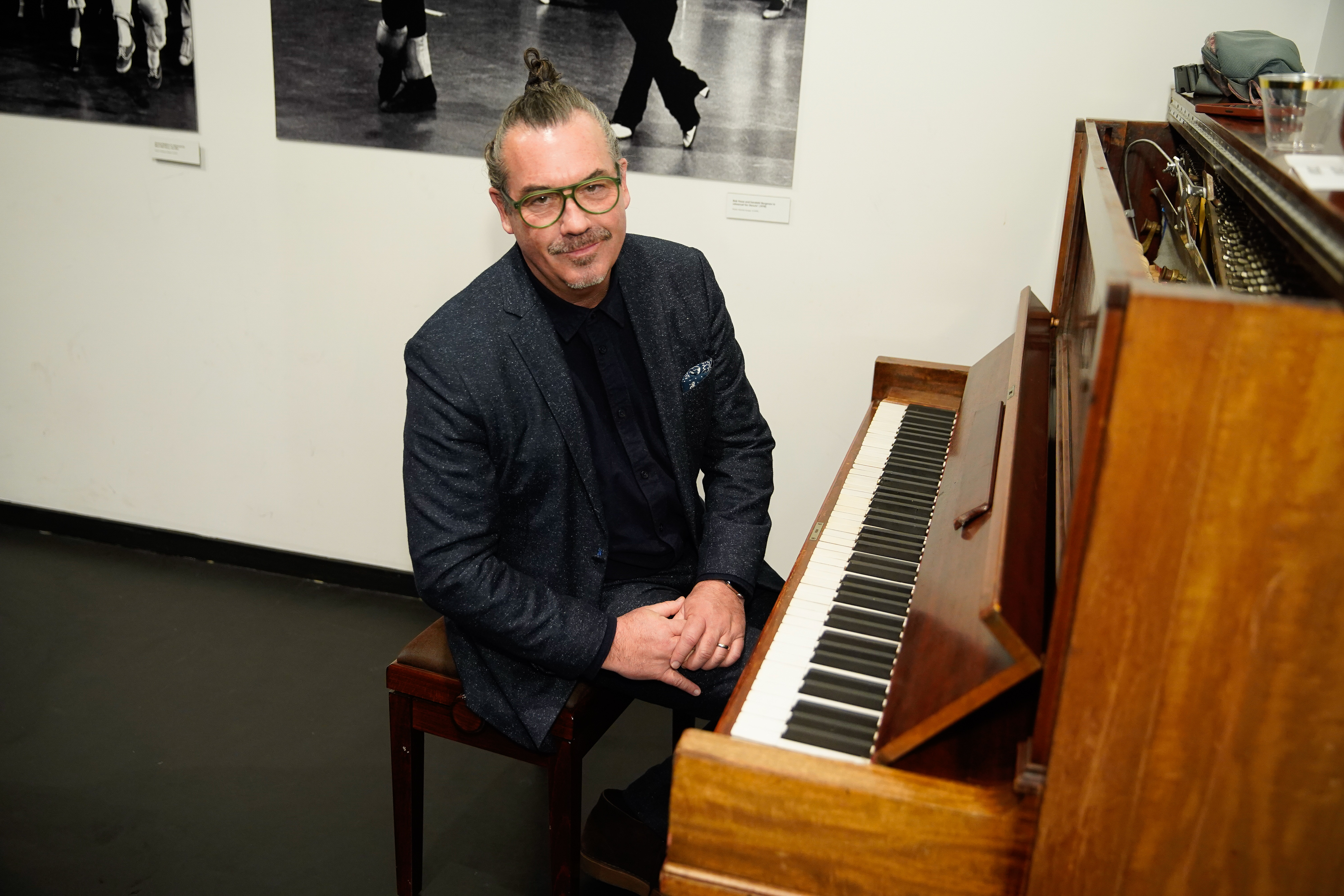
By his own account, Sheik didn’t even finish the source material — he’s said he made it only about halfway through the novel as a college student before hurling it across the room. Still, he found his way into the show’s satire through specific, telling details rather than its violence: for the number “You Are What You Wear,” he reportedly reached out to old girlfriends and asked what high-fashion labels they’d actually worn in the late 1980s, folding their answers into the song’s send-up of Wall Street-era status and vanity.
At the time of his death, Sheik had two more theatrical projects on the immediate horizon: a revival of “Spring Awakening” and a new musical, “Memoirs of Amorous Gentlemen,” an adaptation of a manga graphic novel, which had been scheduled for previews later this month. It remains unclear how his death will affect the timeline of either production.
Duncan is survived by his wife Nora and their 7-year-old daughter, Ines. His spokesperson said he was “surrounded by love” when he died.