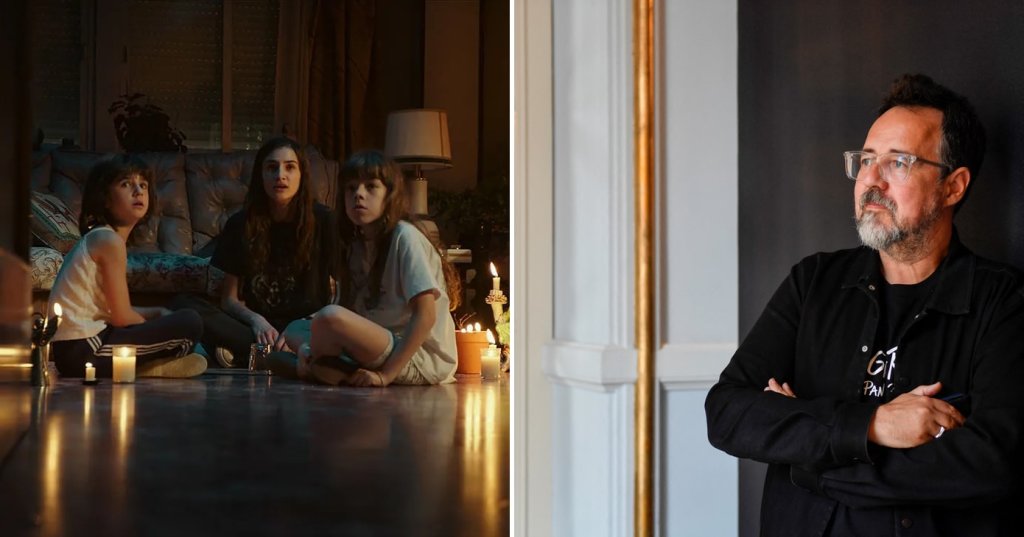
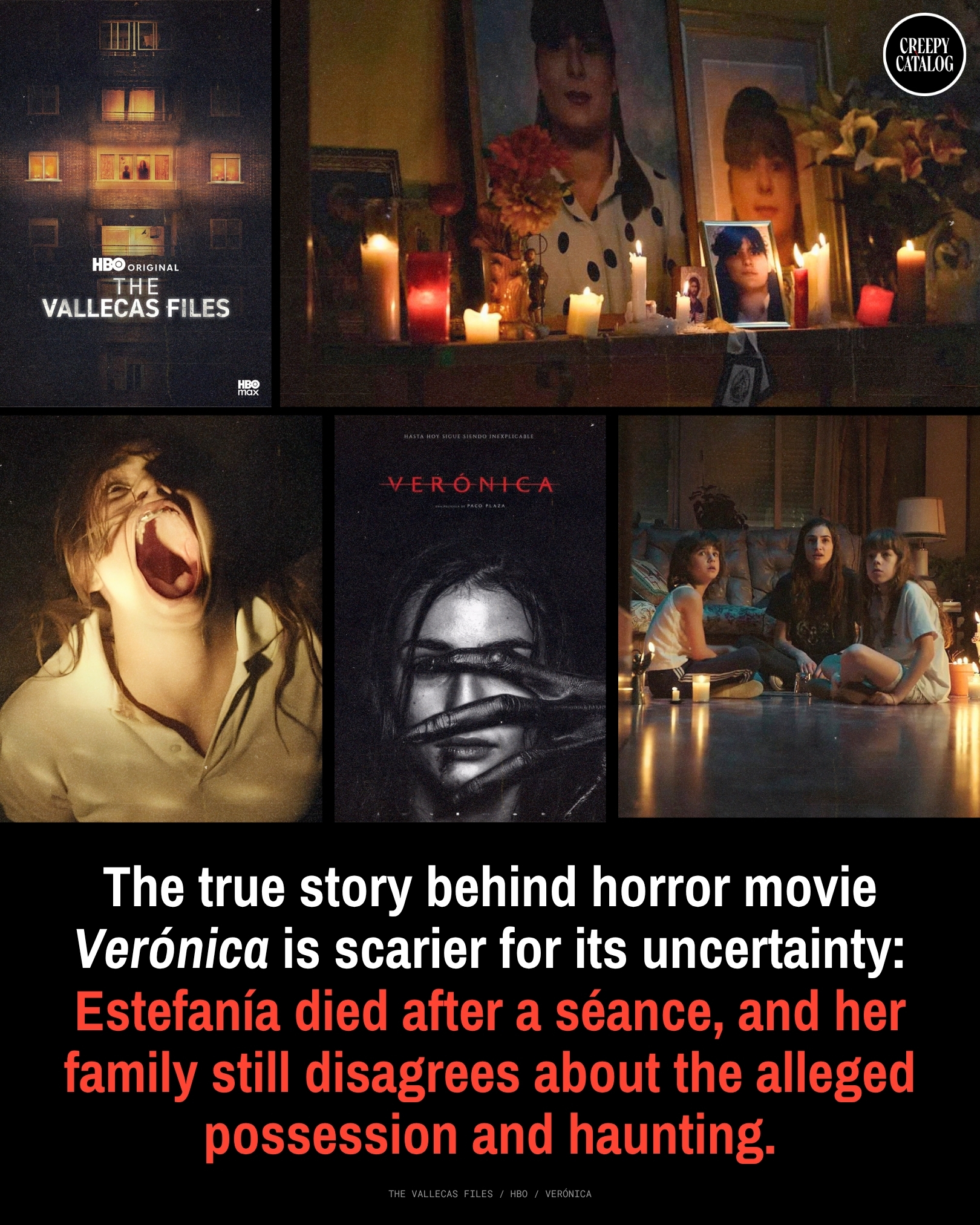
The police report linked to Paco Plaza’s 2017 horror film Verónica was written more than a year after Estefanía Gutiérrez Lázaro died. Her brothers later offered ordinary explanations for the alleged haunting, while her sister Querubina continued to say that what she experienced was real.
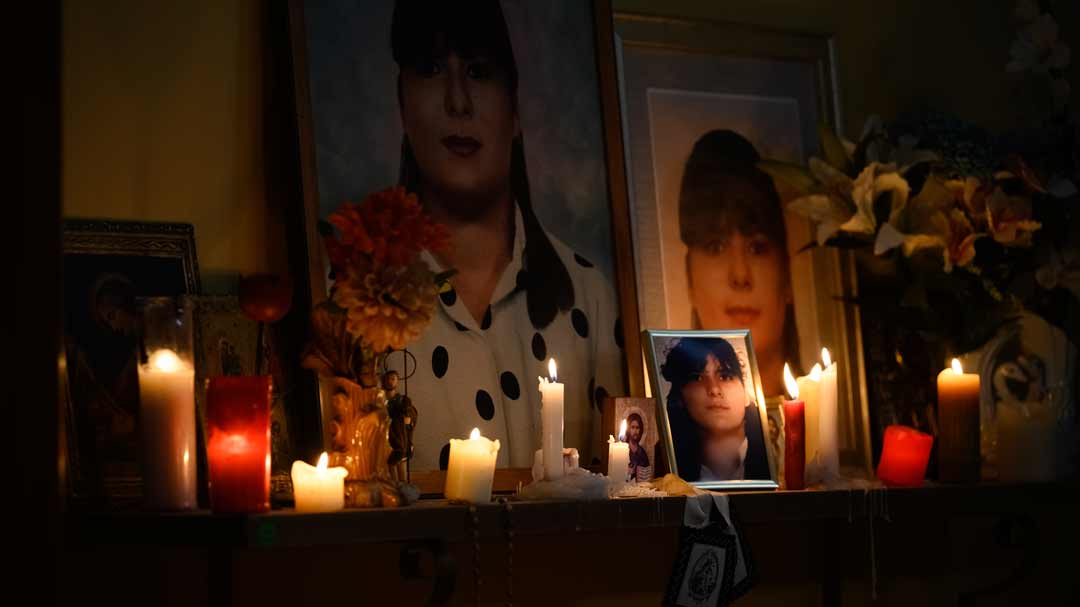
Estefanía was 17 when she died in hospital on July 14, 1991. She’d taken part in a school séance in Madrid’s Vallecas district, where the students hoped a Ouija board would let them contact a classmate’s boyfriend who’d died in a motorcycle accident. A teacher interrupted the séance and broke the board.
Her brothers Ricardo and Maximiliano later said she died about a year after that session, with unusual behavior beginning many months afterward. They said she’d been receiving treatment for suspected epilepsy and denied that she’d levitated or spoken in unknown languages.
Maximiliano also said their mother had convulsive epilepsy and that Estefanía’s seizures resembled hers. The reported autopsy finding was pulmonary asphyxia; her death was described as sudden and suspicious.
The police visit came in the early hours of November 27, 1992. Officers arrived at 8 Calle Luis Marín and found the family outside in the rain.
Their report described a “perfectly closed” wardrobe door opening “in a sudden and totally unnatural way,” along with a brown stain identified as drool. It characterized the visit as “a situation of mystery and rarity.”
Those details helped establish the case’s paranormal reputation. But inspector José Pedro Negri offered a more cautious account on TVE’s Código Uno on October 4, 1993. He described himself as a skeptic and said the wardrobe “could have 20,000 explanations.”
In a September 2018 interview, Ricardo and Maximiliano said falling photo albums sometimes pushed the wardrobe open, and that the brown substance was their youngest sibling’s baby food. They also pointed out that Negri’s later account of repeated violent slamming differed from the single opening described in the report.
Ricardo admitted that he’d secretly thrown a stone onto the terrace during the police visit at his mother’s request, to impress the officers. The brothers described their mother, Concepción Lázaro, as the “precursor” of the haunting story and said people presenting themselves as parapsychologists coached the children on what to say.
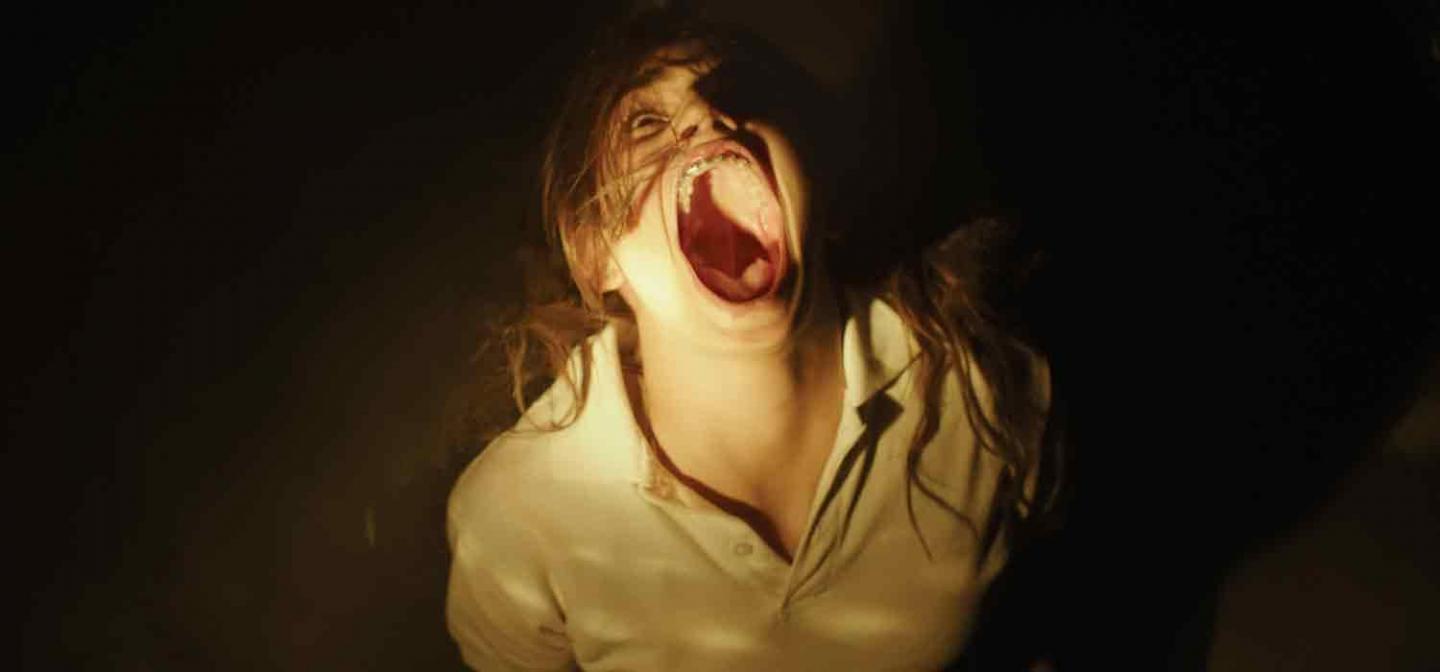
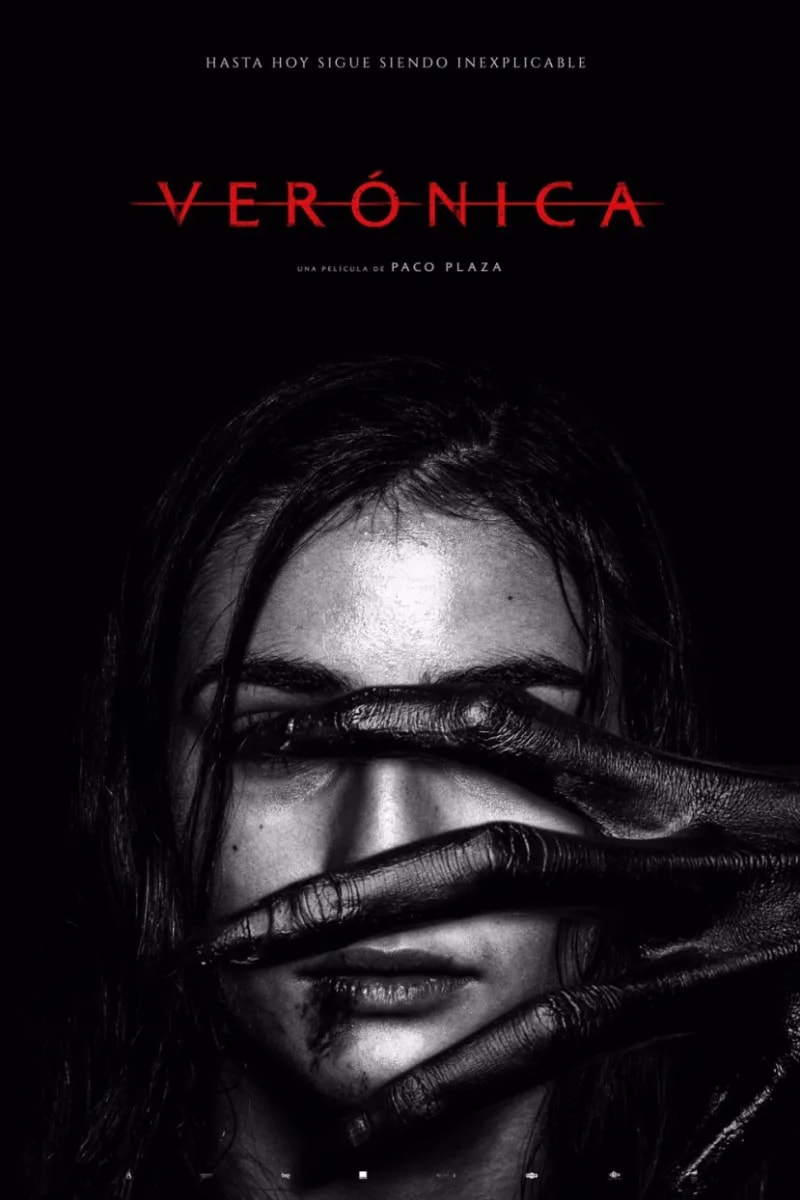
Verónica draws loosely from this case. Plaza said he knew his film would “betray the real events,” and described its central family of children as “all a vision.”
The real Estefanía’s father was alive, and the police investigation followed her death. Plaza also drew on another Madrid case and details from his own adolescence.
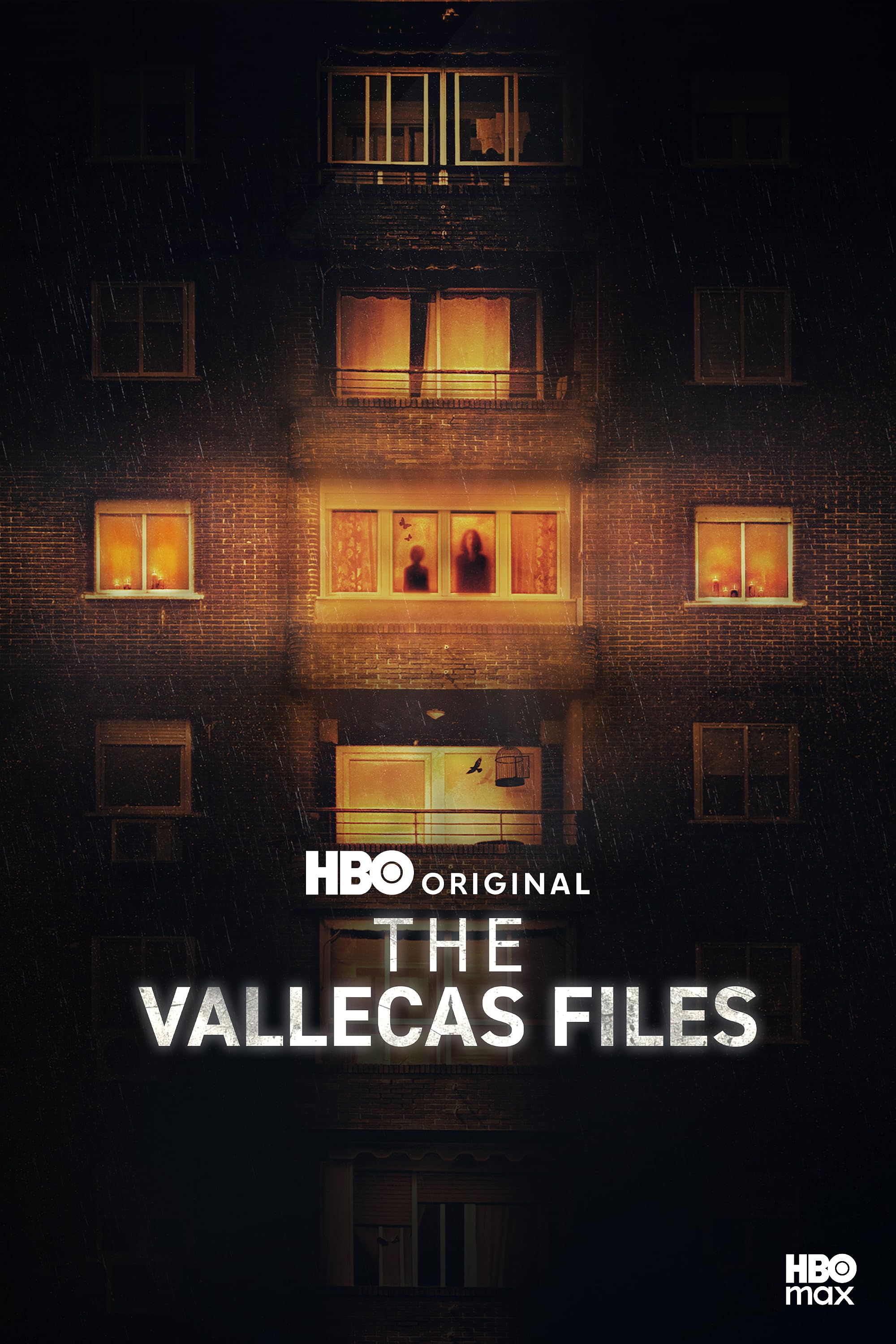
The family’s competing accounts continued in HBO Max’s Expediente Vallecas, which premiered on November 7, 2025. Ricardo repeated his confession about the stone on camera. Querubina maintained that what she’d lived through was real, and Concepción also participated in the series.