Most actors who break through with a striking screen presence spend the rest of their careers chasing the romantic lead — the polished, handsome parts Hollywood keeps steering talent toward.
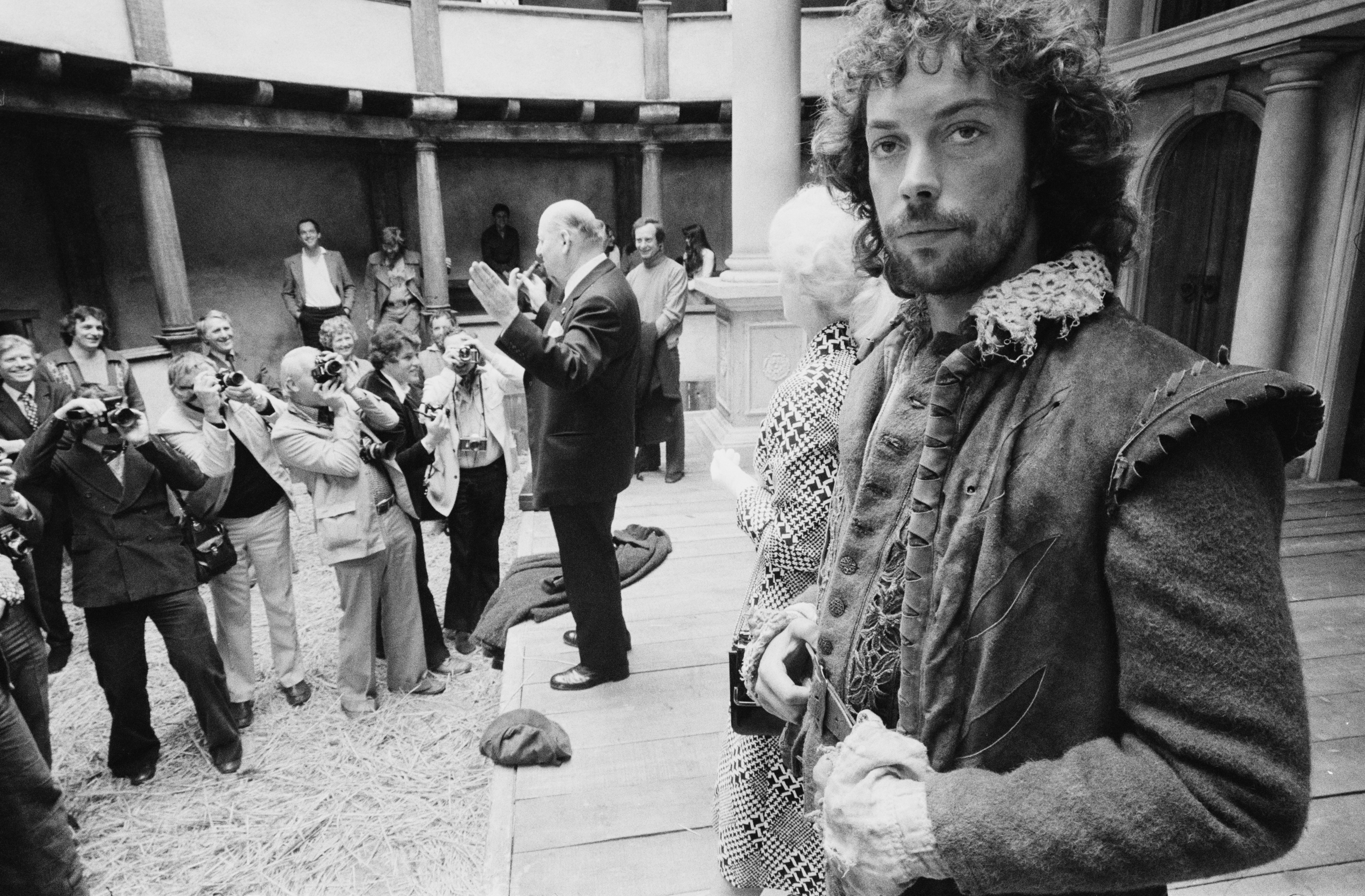
Tim Curry went the other way.
He chased roles that were eccentric, flamboyant, and villainous. He also had a working habit of taking “a sharp left” from whatever he had just finished.
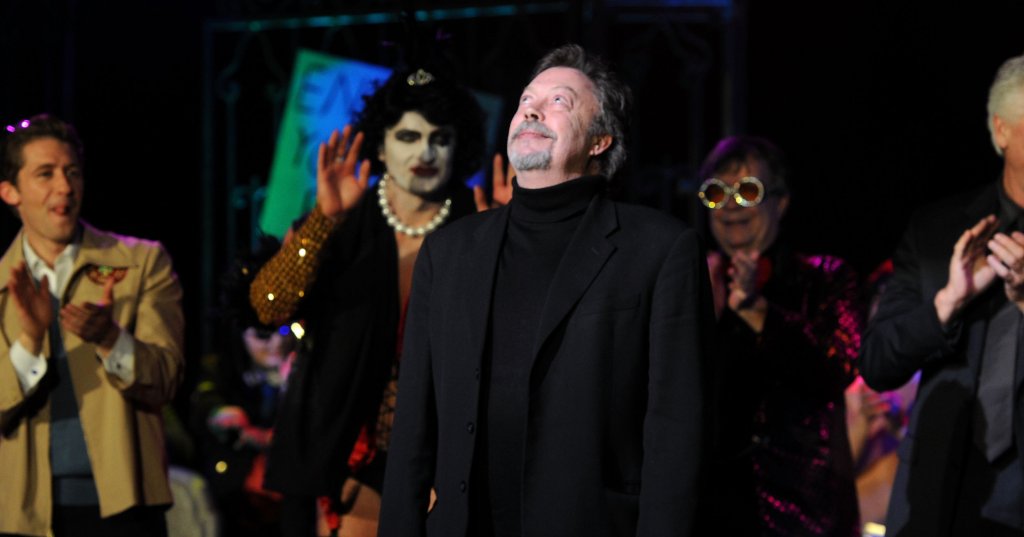
His breakthrough as Dr. Frank-N-Furter in The Rocky Horror Picture Show could have typed him forever. Instead, he kept veering. After Frank came Rooster in Annie, Wadsworth in Clue, Darkness in Legend, Pennywise in IT, and Long John Silver in Muppet Treasure Island — a run that hopscotches from screen musical to whodunit to fantasy horror to family adventure without ever settling into a groove.
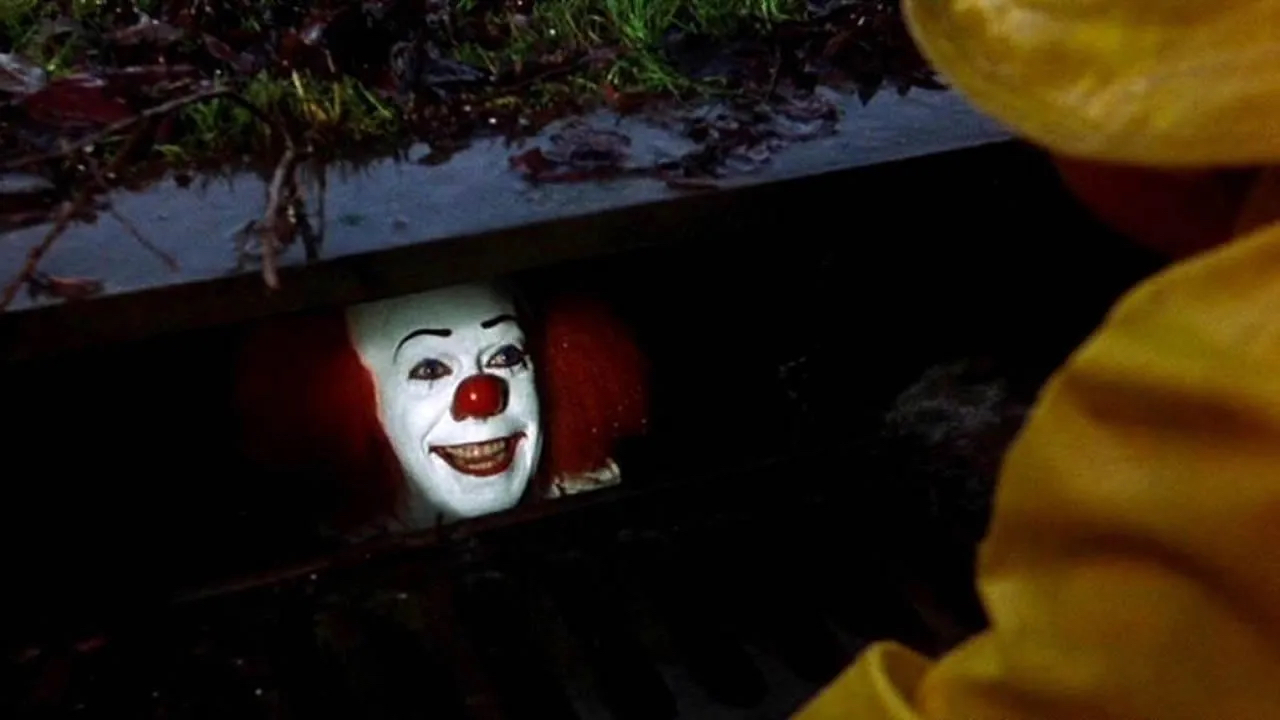
Behind the range was a refusal to be boxed in. Curry said he would not be limited “artistically, professionally, sexually or mentally.” He had no patience for the standard American career: find one thing you do well and wrap a bigger bow around it. That, he said, “wouldn’t interest me.” Where many performers build a brand and protect it, Curry treated each new part as a chance to become something he hadn’t been before.

That instinct kept steering him toward villains, and for Curry the appeal was simple. “The bad guys are always much better written than the good guys,” he said, “and they’re kind of irresistible to play.” Heroes get the plot. Villains get the best lines, the strangest edges, and the room to play.
It’s also why so much of his later work moved into voice acting, where a distinctive voice and a taste for the theatrical could carry a character on their own. Across animation and video games, he kept doing what he had always done: chasing the parts that let him be big, odd, and unmistakably himself — and taking that sharp left whenever the safe road beckoned.
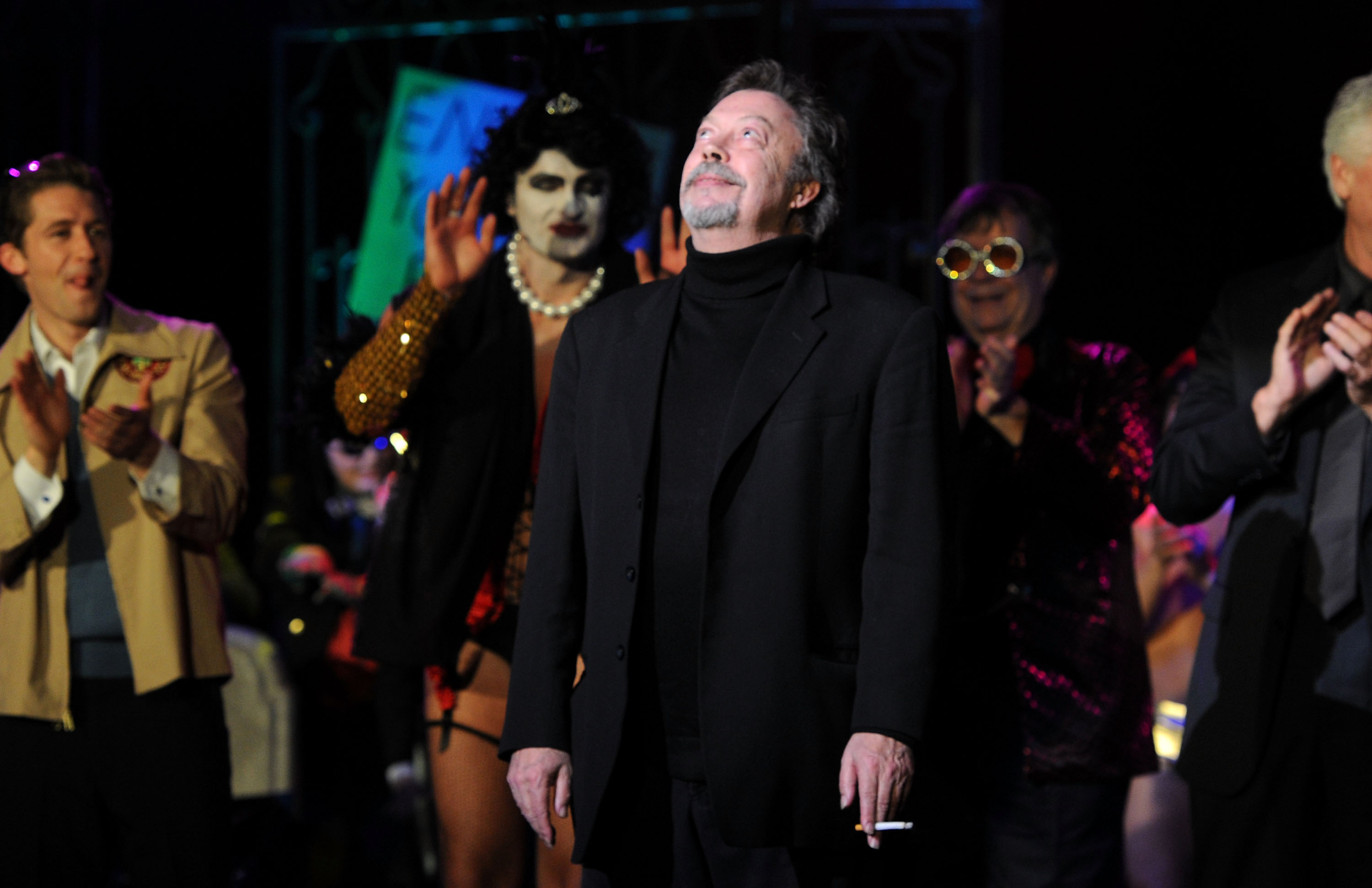
Tim Curry died this week at 80. The parts remain — the smile gone bad, the sweet transvestite, the butler with the perfect recap — but the man who kept choosing the stranger road is gone. We will miss that screen legend: the voice, the nerve, and the refusal to be ordinary.