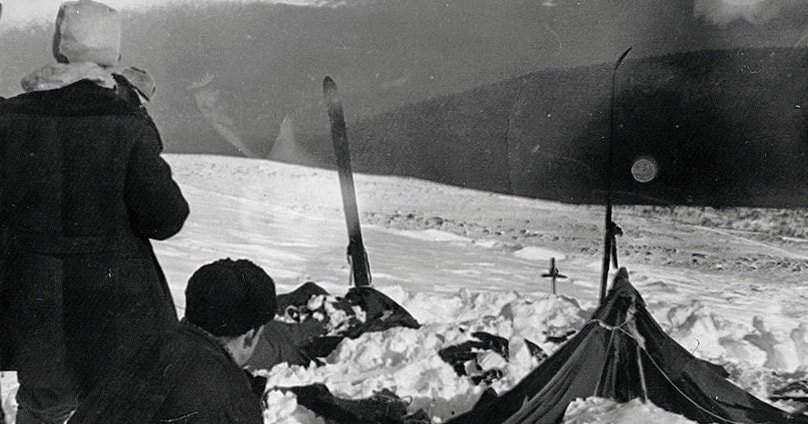
In the winter of 1959, nine experienced hikers set out on one of the Soviet Union’s hardest winter routes. They were skilled, well-prepared, and their final diary entries showed no sign of distress. Then something drove all nine of them to abandon the shelter and equipment they needed to survive temperatures as low as -40°F — and none of them made it out alive.
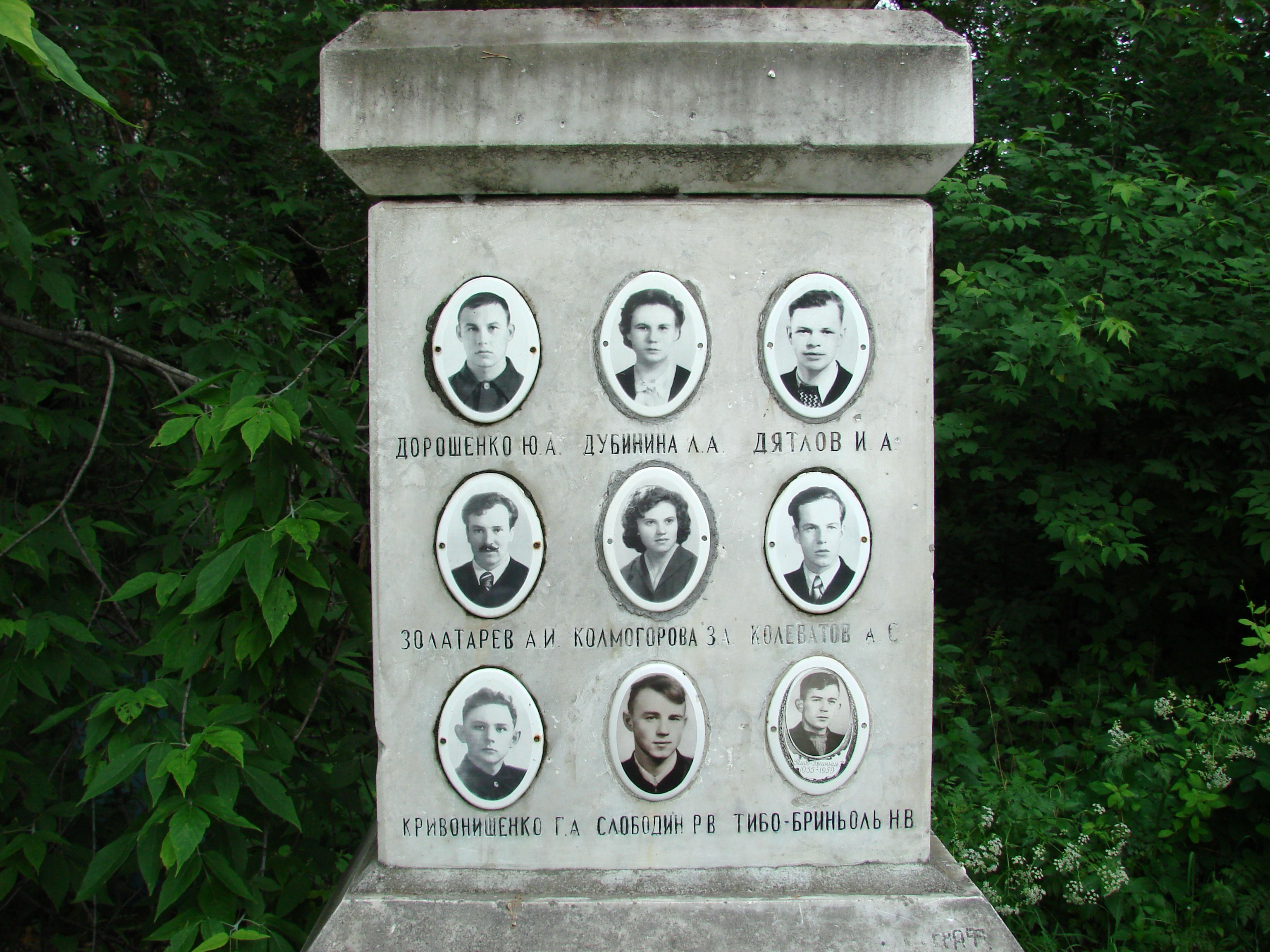
The bodies were recovered from Russia’s northern Ural Mountains after the group cut through their tent from the inside and fled into the extreme cold without proper clothing or shoes. Four of them weren’t found until May, buried beneath 13 feet of snow near a creek. Two were missing their eyes, and Lyudmila Dubinina was missing her eyes, tongue, part of her lips, facial tissue and a piece of skull bone.
The group was led by 23-year-old engineering student Igor Dyatlov, and it’s his name the case now carries. They had camped on the slope of Kholat Syakhl on February 1 after worsening weather pushed them off course. Their abandoned tent was discovered on February 26 with belongings and footwear still inside. Searchers followed nine sets of tracks left by people who were barefoot, wearing socks or wearing a single shoe, leading toward woods about a mile away.
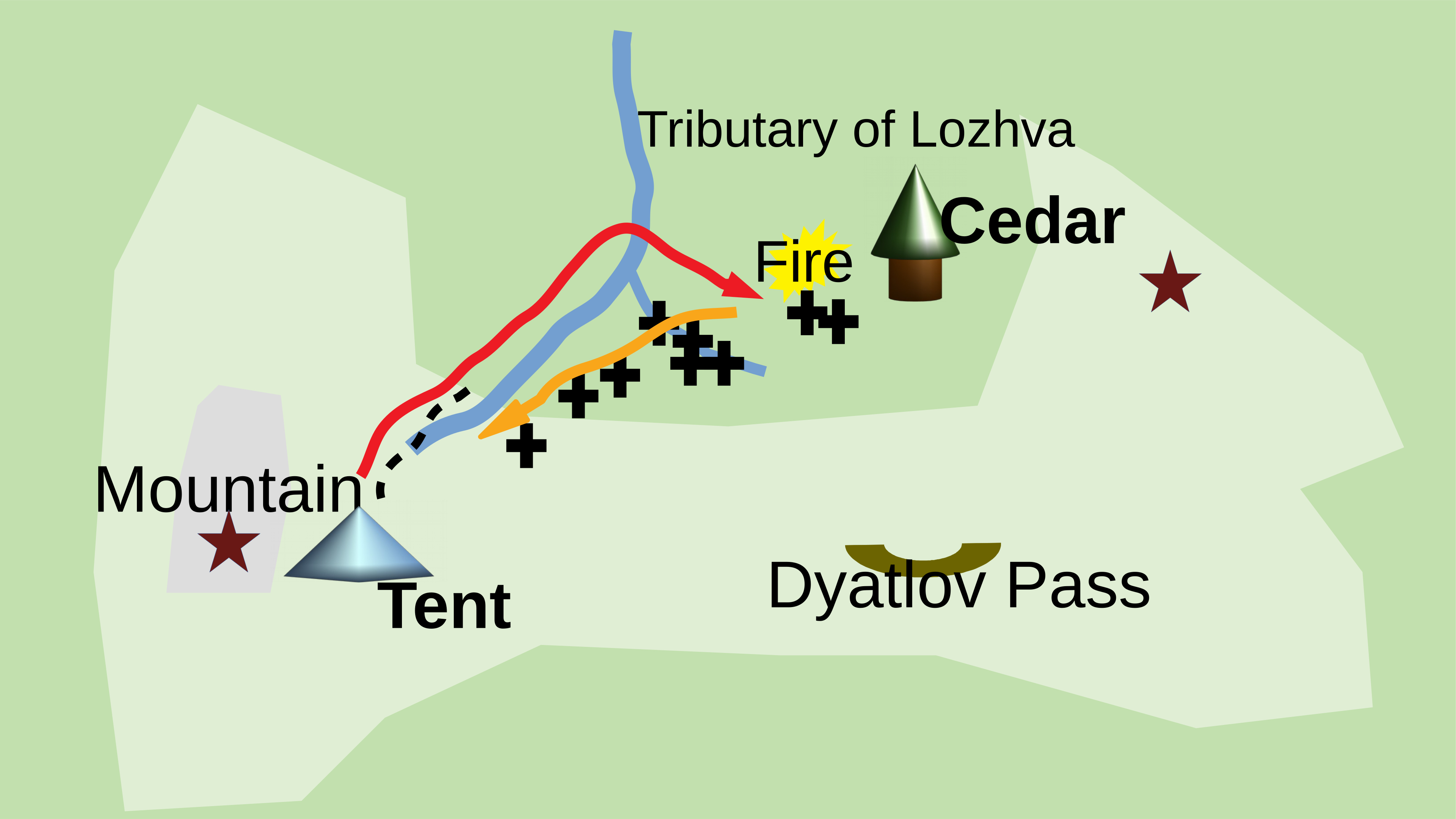
The first two bodies were found near the remains of a fire, shoeless and dressed only in underwear. Three more lay between the tree line and the tent, in positions that suggested they had tried to return to camp. The final four were discovered more than two months later in a ravine.
Six hikers died from hypothermia. The other three suffered fatal physical trauma: one had major skull damage, while two had severe chest fractures that a forensic examiner compared to the force of a car crash. Yet their bones were broken without the external wounds investigators would expect from such injuries. Radiation was also detected on some of their clothing.
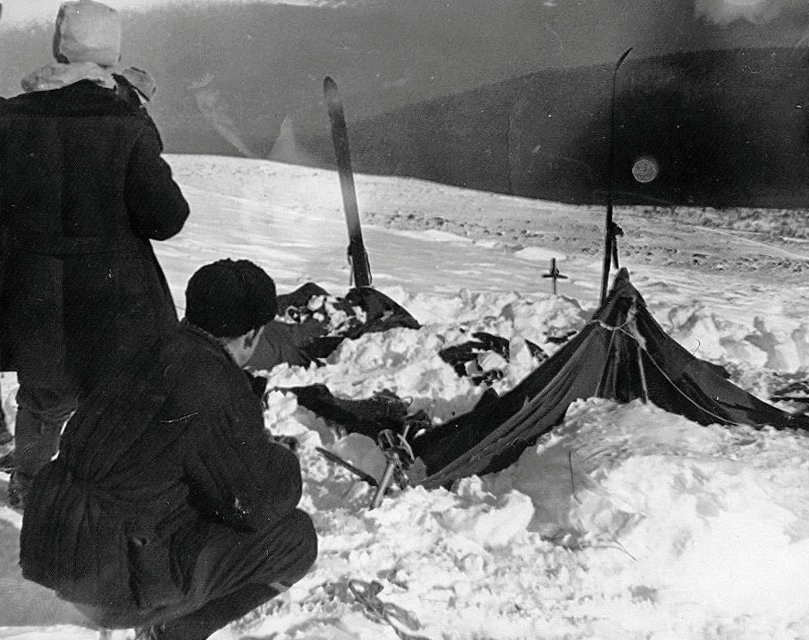
A forensic expert determined that Dubinina’s missing facial tissue occurred after death, because the bodies had been lying in running water. The 1959 investigation found no evidence of a struggle and no footprints belonging to anyone outside the group. Authorities closed the case after concluding that a “compelling natural force” had caused the deaths — a phrase that only deepened the mystery.
Russia reopened the investigation in 2019 and announced in 2020 that an avalanche had most likely driven the hikers from their tent in poor visibility. Under that theory, they reached the woods, built a fire and tried to shelter before hypothermia and injuries killed them. Deputy regional prosecutor Andrey Kuryakov said, “It was a heroic struggle. There was no panic, but they had no chance to save themselves under the circumstances.”
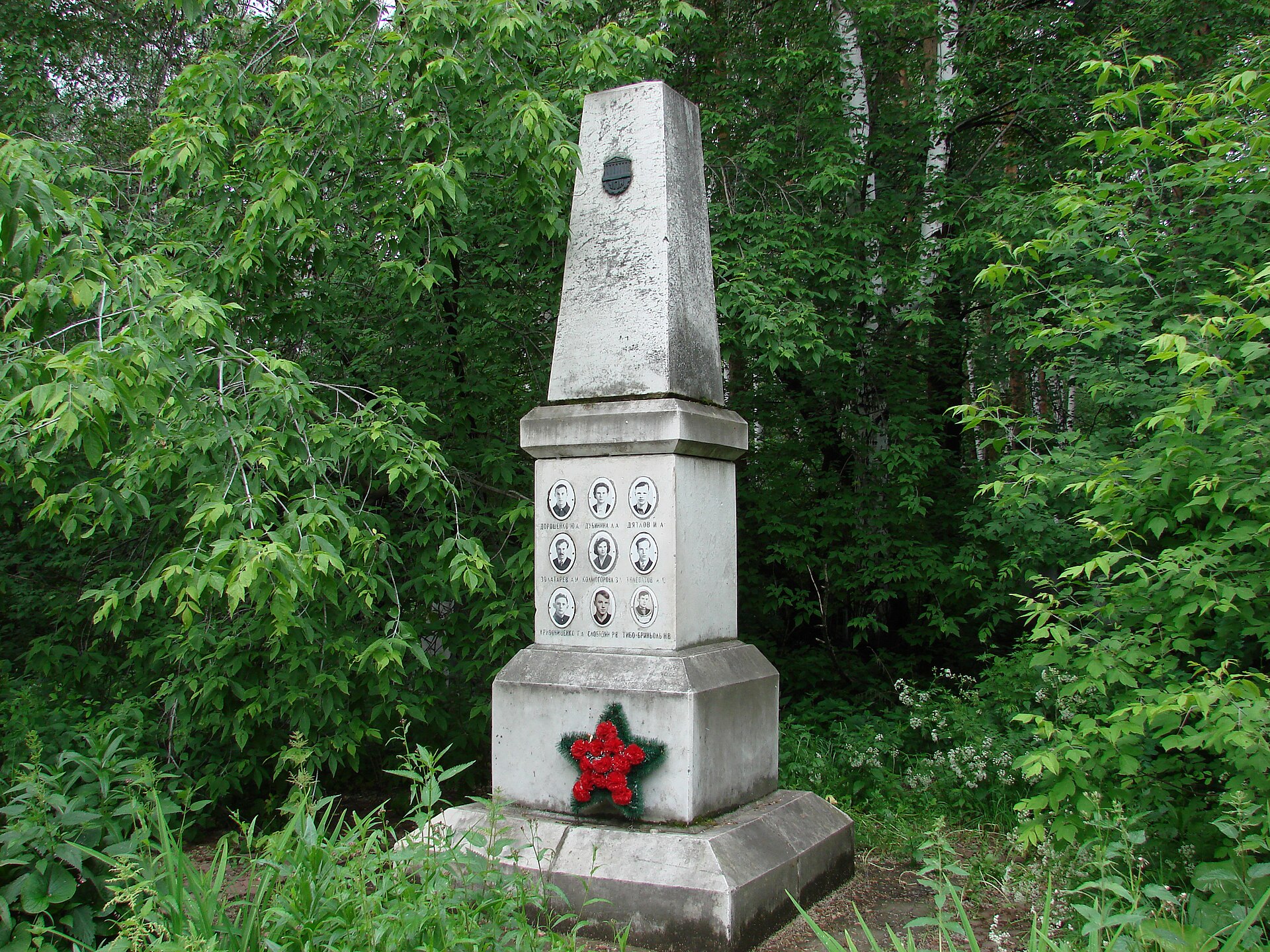
A 2021 study by scientists from EPFL and ETH Zürich found that a delayed slab avalanche could account for some of the injuries. But questions remain: early searchers reported no obvious avalanche debris, the hikers appeared to have deliberately walked away from the tent, and the original investigation left the cause broadly defined. The nearby mountain pass was later named Dyatlov Pass in memory of the group.