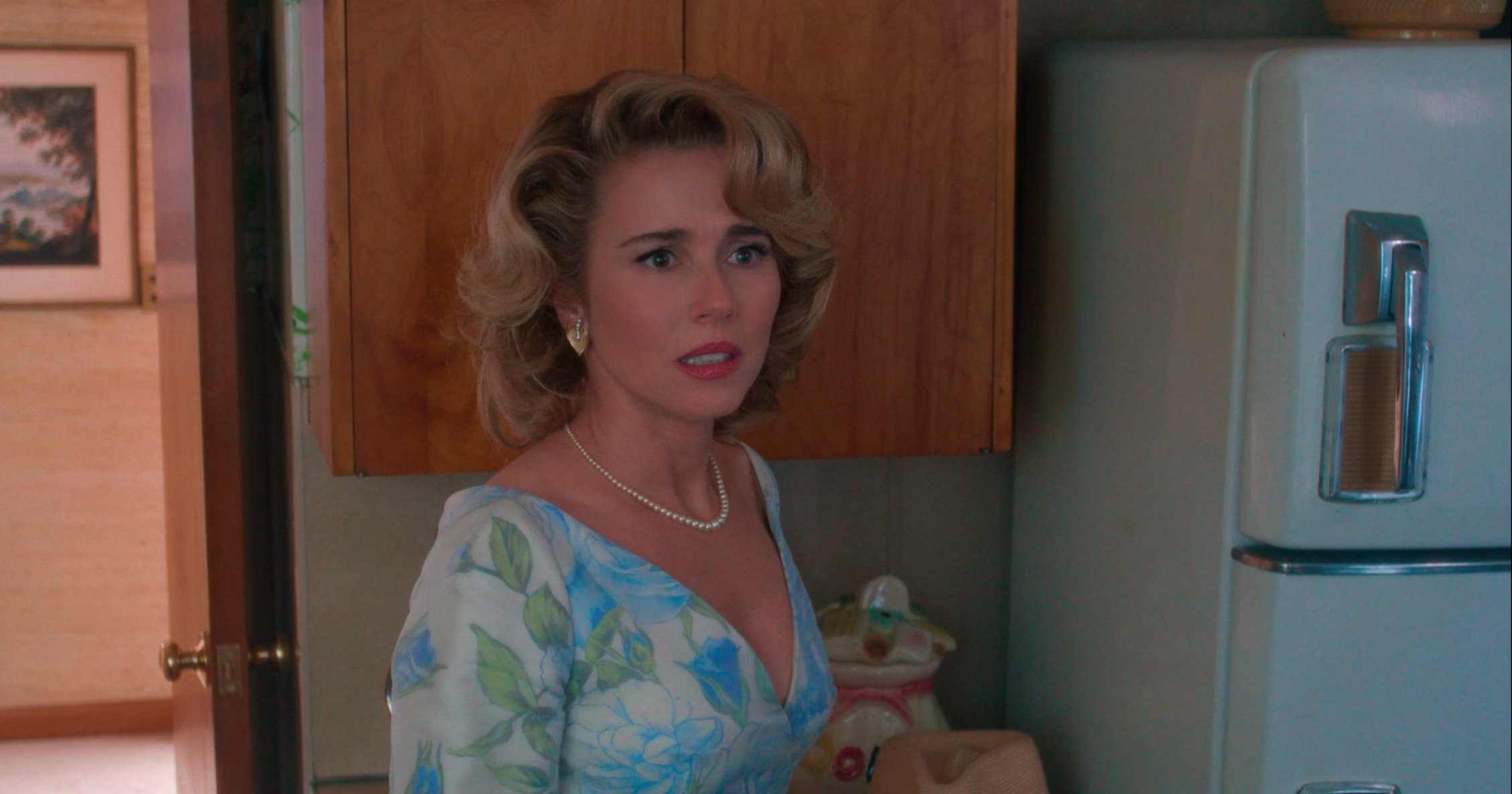
In Crystal Lake, Project Argonaut is a secret experimental program run by the Bellflower company. Its goal is to create a human capable of surviving extreme trauma, including the effects of a nuclear blast. Elias Wittering, Jason’s father and a rising executive at Bellflower, gets Pamela involved when she is pregnant and facing a miscarriage. She agrees to what she believes is an experimental fertility treatment in Texas. What she doesn’t know is that her fetus is being exposed to radioactive materials and other experimental procedures as part of Argonaut. Jason (labeled “Subject J”) becomes the first truly successful test subject. He is born with cranial deformities and other issues, but the treatments give him an unnatural ability to survive injuries that should kill him.
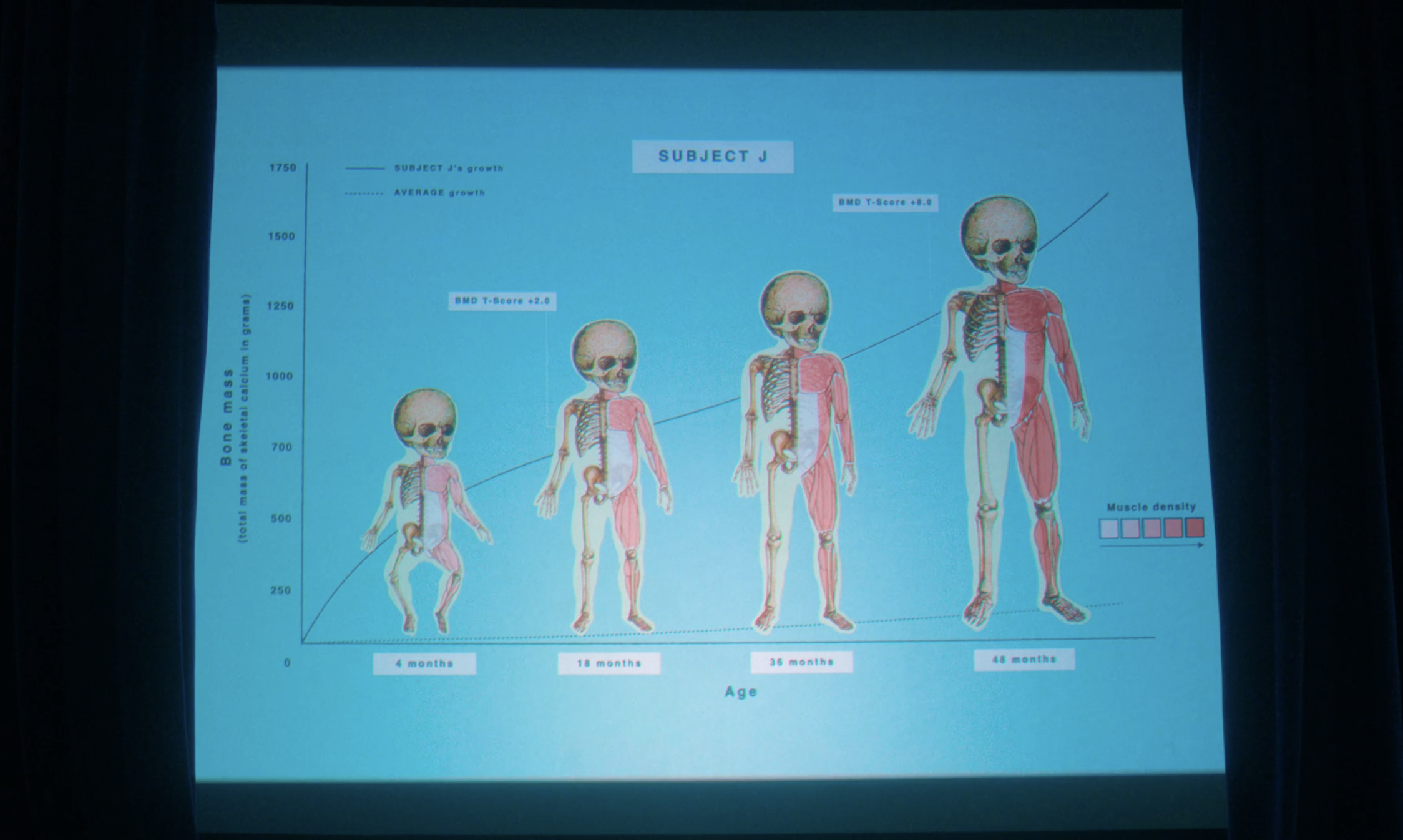
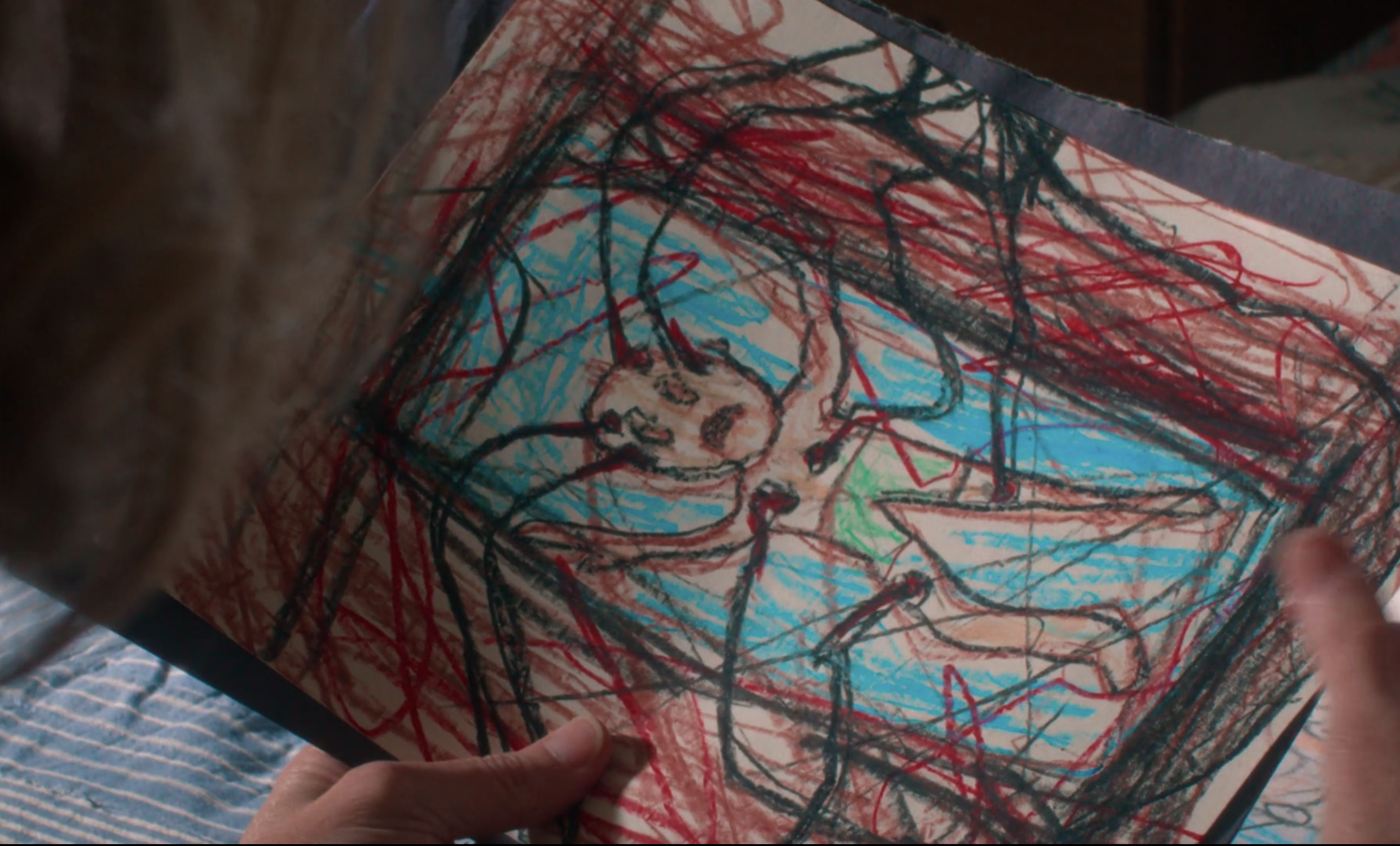
The experiments continue after Jason is born. Elias regularly takes him to the facility for further treatments and testing. Pamela eventually notices the effects—hair falling out, signs of radiation exposure, and drawings that suggest he is being subjected to frightening procedures. Jason’s body responds to trauma in a way that is the opposite of normal healing: instead of being weakened by severe injury, he regenerates and grows stronger. Elias explicitly compares this to pruning a tree. Just as cutting back a tree can stimulate new, more vigorous growth, the injuries and near-death experiences Jason suffers appear to accelerate his physical development and increase his resilience. This is why he survives the bathtub drowning as a baby and, later, the drowning at Camp Crystal Lake. The camp incident in particular triggers a rapid growth spurt, turning the small, vulnerable boy into the much larger, more formidable figure who eventually returns.
The series uses Argonaut to explain the classic Friday the 13th paradox of Jason surviving his apparent death and returning again and again, bigger and harder to kill. Every major trauma—drowning, gunshots, other severe injuries—doesn’t finish him. It reinforces the altered biology the experiments created. Elias presents this as a scientific success: a human engineered to withstand the worst the nuclear age could produce. Pamela sees it as her son being turned into a test subject by his own father. The pruning comparison is Elias’s clinical way of describing the same process she experiences as horror—each time Jason is hurt, the thing they made inside him responds by making him more durable and more dangerous.