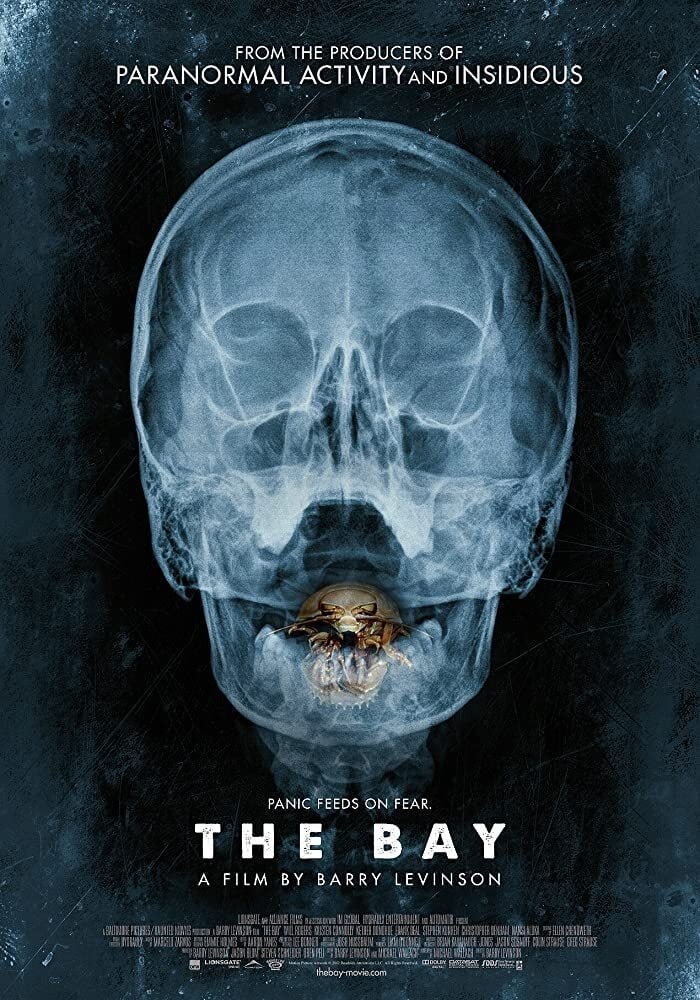
Barry Levinson thought a horror movie could bring Chesapeake Bay pollution to people who might never watch a documentary about it. Research for a planned documentary became the basis for The Bay, his 2012 film about a waterfront community poisoned by its own water.
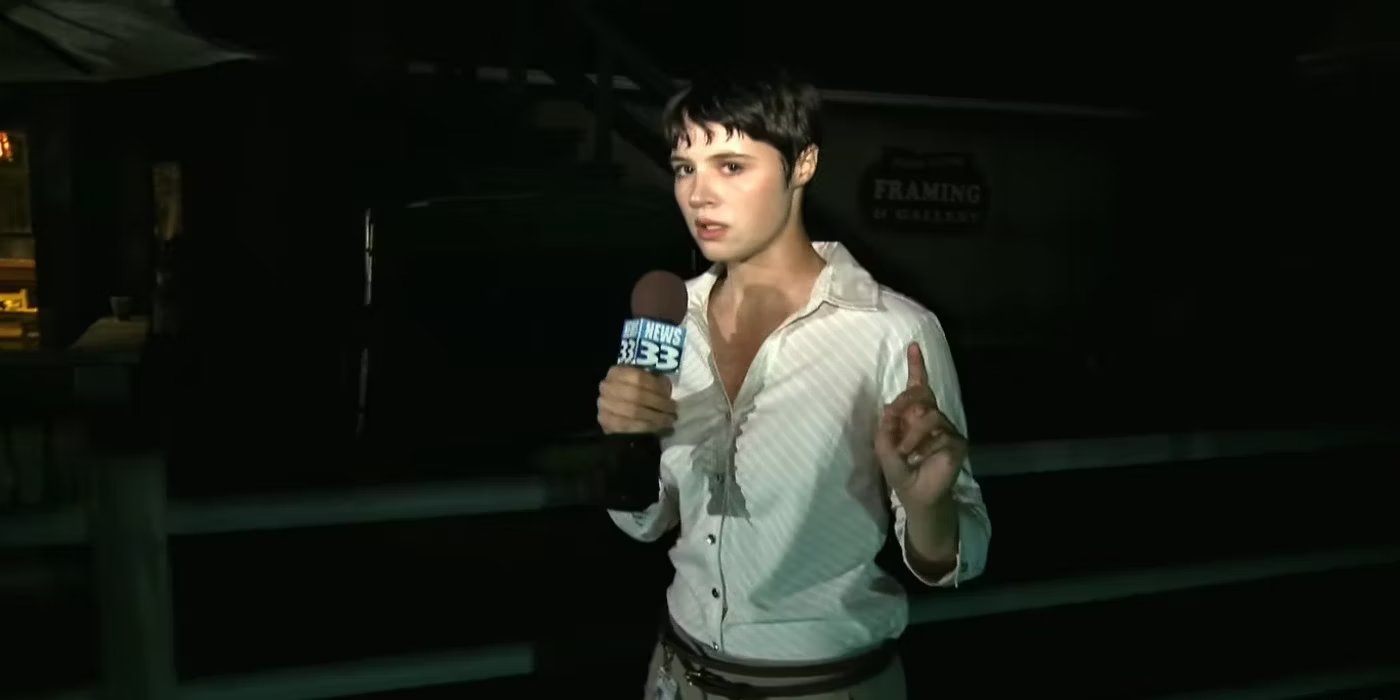
Written by Michael Wallach, the movie follows a Fourth of July crab festival in Claridge, a fictional Maryland town. Journalism intern Donna Thompson, played by Kether Donohue, is covering the celebration when residents develop boils and lesions. Within roughly 24 hours, the outbreak overwhelms the hospital.
The film gives the disaster a human-made cause: waste from a chicken farm, including steroids and other growth-promoting chemicals, has contaminated the bay. That pollution allows a parasitic isopod to mutate and multiply.
The creature is based on the real Cymothoa exigua, known as the “tongue-eating louse.” The mutations and outbreak belong to the movie’s fictional scenario.
In the story, the parasites reach people through the water supply and consume their hosts from within. As officials struggle to respond, the disaster unfolds through police cameras, news recordings, video calls, underwater footage and personal videos. Each recording captures another piece of what happened across the town.
Donna later releases the recordings, which the government had confiscated. The footage exposes a cover-up: authorities killed the parasites with chlorine, blamed the disaster on unusually warm water and paid survivors to stay silent.
Made for around $2 million, with Jason Blum and Paranormal Activity director Oren Peli among its producers, The Bay remains Levinson’s only horror film. It premiered at the Toronto International Film Festival before its U.S. release on November 2, 2012.